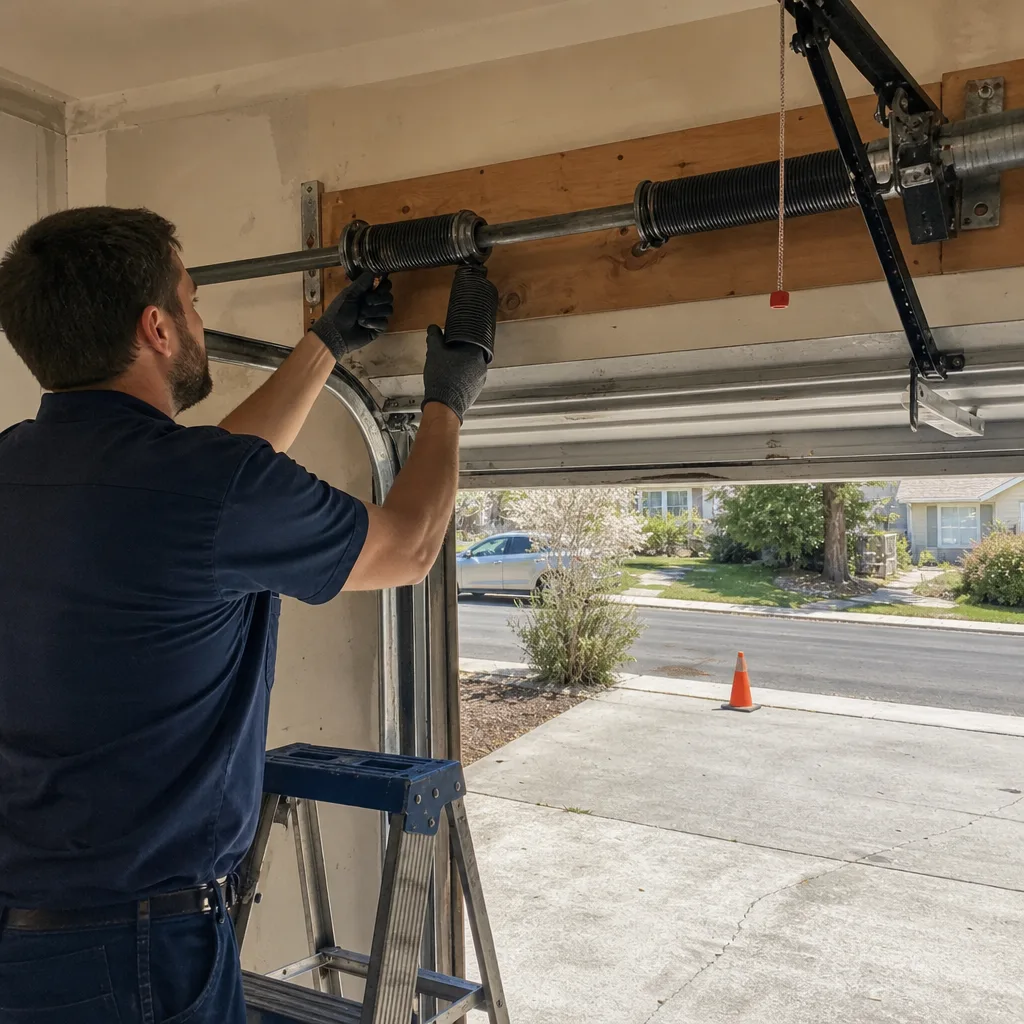
Last updated November 23, 2026
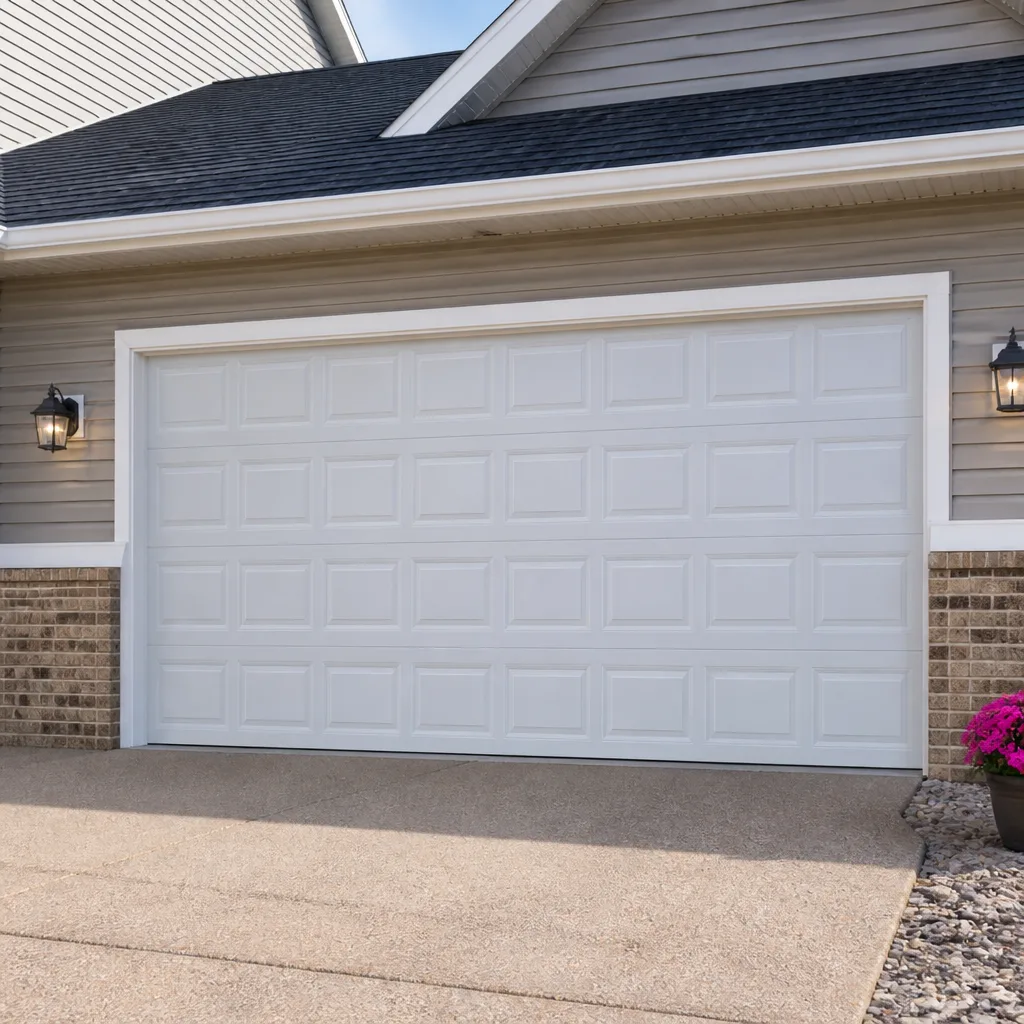 Raised-panel steel
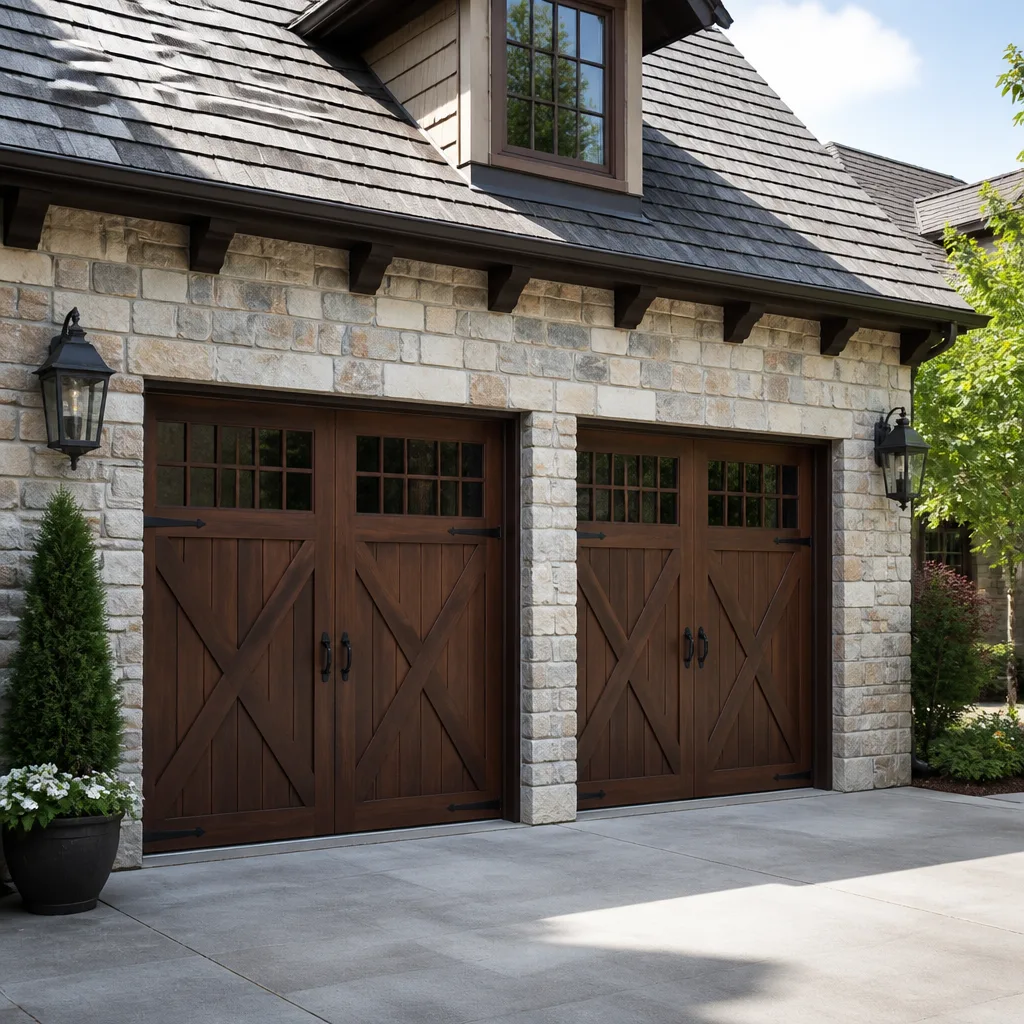 Carriage house
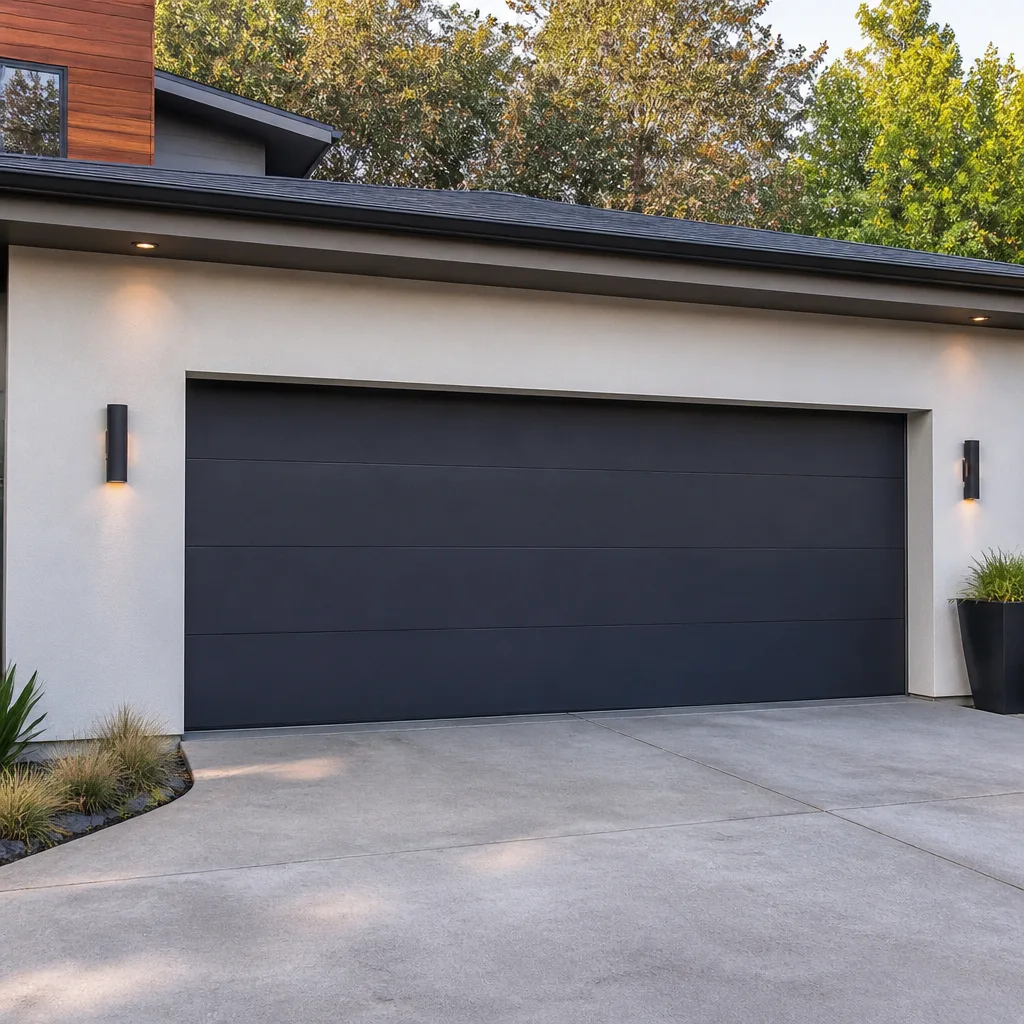 Modern flush
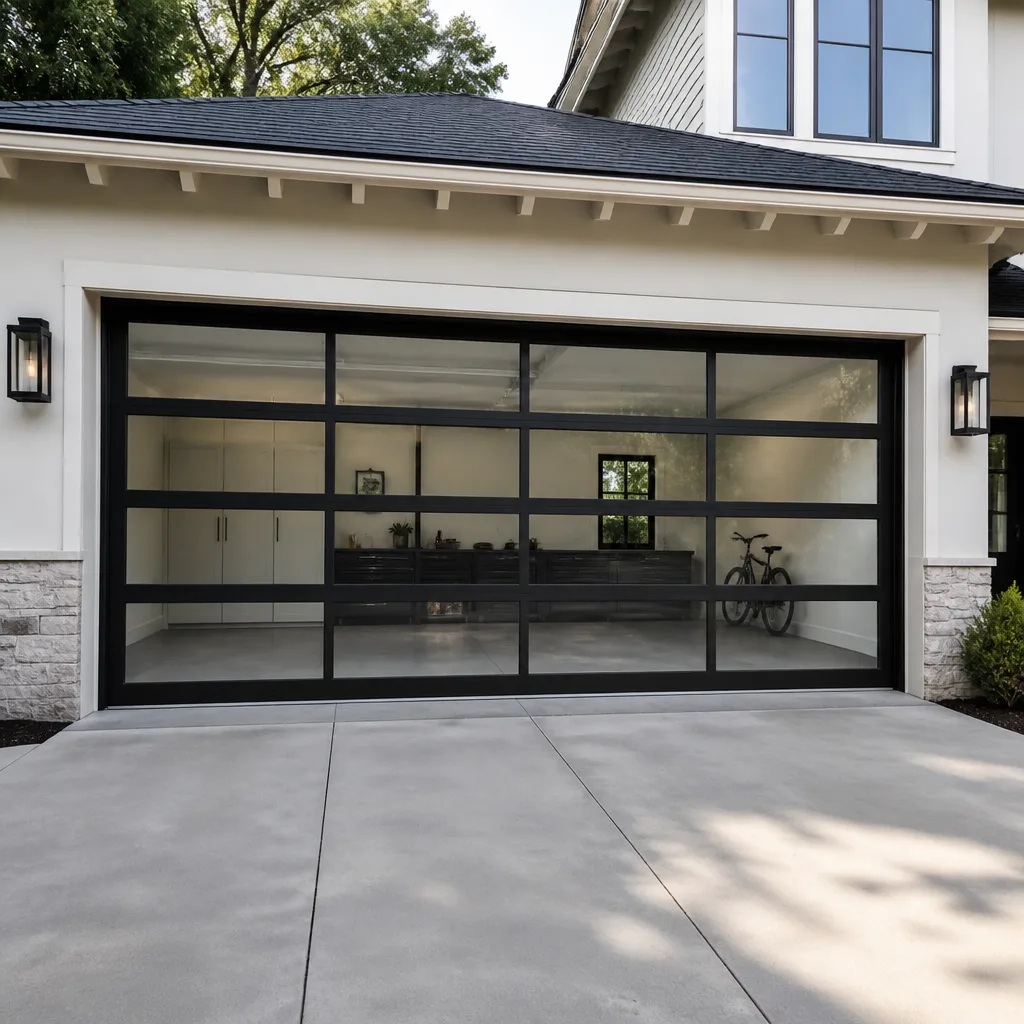 Full-view glass
 LiftMaster openers
 Chamberlain openers
Full 25-point door and opener safety check with every visit - springs, cables, rollers, tracks, and your LiftMaster or Chamberlain opener included
You get a price before we start. It does not change when the pro arrives.
Get your free estimateGarage Door Emergency Preparedness Guide for Brighton Homes
Most garage door emergencies in Brighton aren’t really surprises. They follow patterns: a power outage during a spring storm, a torsion spring that lets go on a cold January morning, a track that freezes shut when meltwater refreezes overnight, an opener that finally quits after months of strain. Homeowners tend to think the crisis is the failure itself. In our experience it’s usually the ten minutes after the failure – the scramble to find the manual release, the discovery that the release cord won’t budge, the door stuck partway down while you’re trying to leave for work. This Brighton guide walks through the five failure scenarios that account for nearly every emergency call we field, what to do first and what never to do, and the short preparation that turns a locked-in situation into a controlled one.
Quick Answer
A garage door emergency in Brighton is almost always one of five failures: power outage, broken spring, frozen track, opener failure, or snapped cable. Your manual release cord should be tested every few months so it works when you need it, you should never force a jammed door or attempt a spring or cable repair yourself, and you should keep a printed emergency card in the garage with your door model, opener brand, and our number. Most of what makes these situations dangerous or prolonged is preventable with about ten minutes of preparation.
Styles & brands we work with
- Raised-panel steel
- Carriage house
- Modern flush
- Full-view glass
- LiftMaster openers
- Chamberlain openers
Table of Contents
- How to Find and Test Your Manual Release Cord
- The Five Most Common Brighton Garage Door Emergencies
- What to Do When Your Door Is Stuck Open Overnight
- Disconnecting and Manually Operating Different Opener Types
- Frozen Tracks and Winter Prep for Colorado Front Range Doors
- Why Springs and Cables Are Never a DIY Job
- Building Your One-Page Emergency Card
- A Simple Seasonal Check That Prevents Most Calls
How to Find and Test Your Manual Release Cord
Your manual release cord hangs from the trolley assembly on your opener rail, usually within reach above the door’s top edge. Pulling it disconnects the door from the opener so you can lift it by hand. That’s the theory. In practice, we find dozens of them every year that have never been touched since installation – and some that are physically incapable of working because the installer’s shipping strap or zip tie is still holding the trolley in place.
Testing takes about five minutes. Here’s the sequence we recommend to every Brighton homeowner:
- Stand inside the garage and close the door fully. The door should be resting on the floor.
- Locate the release cord. If it’s missing, broken, or tied off, that’s your first repair – call us before you need it.
- Pull firmly down and slightly toward the door. You should hear the trolley release with a distinct click.
- Grip the door’s bottom edge and lift a few inches. A balanced door should move easily. If it fights you, stop – a spring or cable may be compromised.
- To re-engage, run the opener until the trolley passes the lockout position, then push the cord back toward the door until it clicks.
- Run the door up and down once to confirm the opener reconnected and the safety sensors are working.
If the cord won’t pull, don’t yank harder. Something is binding the trolley or the door is under spring tension that shouldn’t be there. That’s a call-in situation, not a pry-bar situation. Our team handles garage door repair across Brighton and can check your release mechanism during any routine service visit, so a five-minute test doesn’t become an hour of frustration at nine o’clock at night.
The Five Most Common Brighton Garage Door Emergencies
Almost every emergency call we field in Brighton falls into one of five buckets. Each has a different safe response, and applying the wrong one to the wrong scenario is how small problems get expensive.
1. Power Outage
Brighton’s Front Range weather brings wind-driven outages a few times a year, and a garage door on a dead opener is simply a heavy manual door. Use the release cord, lift by hand, and prop nothing under the door while it’s open. When power returns, re-engage the trolley and run the door once to confirm sensor alignment. If your opener is a LiftMaster or Chamberlain with battery backup, the door may still work – check the manual for the override sequence.
2. Broken Spring
A torsion spring breaking sounds like a gunshot and leaves the door essentially immovable. Lift nothing. Pull nothing. Move vehicles out through another exit if you can, and call. This is the most dangerous of the five and the least appropriate for any home remedy. It’s also the one most people ask us about, so we’ve written a fuller explanation on the garage door spring repair page.
3. Frozen Track
When meltwater from the car refreezes in the track overnight, the door will start to lift and then bind. Don’t force it. Get a heat gun or hair dryer on low, work along the frozen section from bottom up, and let the door sit closed until the ice clears. Force it and you’ll bend rollers or pop the door off one side – a much bigger repair than a thaw.
4. Opener Failure
An opener that hums but doesn’t move, or clicks and resets, is usually a capacitor or gear issue, not a dead unit. A Genie that runs but doesn’t lift often has a stripped gear. A Clopay door on a working opener that reverses immediately is usually a sensor or travel-limit problem. In every case the manual release gets you in and out while you schedule the fix. We cover all of that on the garage door opener repair page.
5. Snapped Cable
A snapped cable makes a loud bang and usually leaves the door hanging at an angle. Never operate the door – the remaining cable is under full tension and the door is no longer supported safely. Stop, leave it closed if it will close flat, and call.
What to Do When Your Door Is Stuck Open Overnight
This is the scenario that turns a garage problem into a security problem. A door stuck open in a Brighton neighborhood overnight means every tool, bike, and stored item is exposed, and the gap into the house is real. When the door won’t close, the priority order is: secure the opening first, diagnose second.
- Pull the manual release and try to lower the door by hand. A door with a broken spring will come down but won’t stay up – which may be exactly what you want. Lower it all the way and let it rest on the ground.
- If the door doesn’t close by hand, don’t fight it. A door hanging at an angle with a snapped cable can’t be safely lowered without proper tools.
- Block the opening with what you have. A vehicle parked snug against the door frame, moving boxes to the opening side, and interior lighting on all help. This isn’t a fix, it’s a delay tactic until service arrives.
- Check the interior door into the house – if the garage connects to the home, lock and deadbolt it, and treat the garage as an unsecured exterior space until the door is repaired.
- Call an emergency service the same evening. A stuck-open door on a property with tools, sports gear, or anything of value isn’t a morning problem.
What not to do: don’t wedge a two-by-four under a partially open door and call it good, don’t disconnect the opener and leave the door up expecting the springs to hold it, and don’t tape over the safety sensors to try to force the door closed. Each of those has failed in ways we’ve had to repair afterward. Brighton Garage Door Repair Co offers emergency service for exactly this situation – call (866) 754-4750 and we’ll get someone scheduled.
Disconnecting and Manually Operating Different Opener Types
Every residential opener has a manual release, but the mechanism location and re-engagement sequence differ by type. Brighton has plenty of every style – older homes often carry screw drive, newer builds lean toward belt drive, and homes with high ceilings or heavy doors frequently run jackshaft openers.
Chain Drive
Chain drives (common in older Chamberlain and Craftsman units) hang from a rail between the opener motor and the door. The release cord drops from the trolley on that rail. Pull down and toward the door. Re-engagement requires the trolley to be past the outer travel limit; run the opener once to reset it, then push the cord back until it clicks.
Belt Drive
Belt drive openers (many modern LiftMaster and Chamberlain models) operate the same way – a trolley on a rail – but the release cord is often shorter and more tucked against the rail. Find it, pull firmly, and confirm the click. The re-engagement sequence is identical.
Jackshaft
Jackshaft openers mount on the wall beside the torsion bar rather than overhead. The release is usually a lever or a small cord on the side of the unit itself, sometimes with a keyed external release. If your jackshaft has an external emergency release, test it too – it’s the only way to open the door from outside when the opener is dead.
Screw Drive
Screw drive openers (common on Genie units) use the same trolley-and-cord arrangement but the trolley rides a threaded rod. The release works the same way. One thing to watch: screw drive trolleys are sometimes more prone to binding if the rail is dry, so a release cord that’s hard to pull may be pointing at rail lubrication rather than a defective release.
Whatever type you have, test it now – not when the power is out and the car is inside. If your release is bound up or your opener is showing other warning signs, call us and we’ll sort it out. We service every major brand on the market, and our technicians have up to 13 years of experience across all four drive types.
Frozen Tracks and Winter Prep for Colorado Front Range Doors
Brighton sits where it does for a reason, and the winters here reward preparation. Meltwater from a warm engine pools in the track, refreezes overnight when the temperature drops, and by morning the door is stuck to its own hardware. It’s the most preventable of the five emergencies, and it’s the one most homeowners don’t think about until it happens.
Here’s what actually helps going into the cold months:
- Clear the tracks before the first freeze. A leaf blower or shop vac pulled along the track flutes removes the grit that holds ice.
- Check the weather seal along the floor. A worn bottom seal lets meltwater wick under the door and into the track. Replacing it is inexpensive compared to a bent panel.
- Look at the driveway slope. Water that pools against the door at the base of the driveway will find the track. If you see a frozen puddle forming on a regular basis, that’s the cause.
- Don’t force a bound door. If the door lifts a few inches and stops, kill the opener immediately and thaw carefully. Forcing it is the fastest way to bend a track or snap a roller.
- Lubricate the moving parts once at the start of the season. Rollers, hinges and the torsion bar (not the tracks themselves, and never the spring coils) benefit from a proper garage door lubricant. Ask us what’s appropriate for your door – the wrong grease attracts dirt.
Doors that live in exposed driveways – the ones facing the wind, no tree cover – need this prep more than most. If your door has been binding in the cold for a couple of seasons, it’s worth a professional look before it becomes a mid-January emergency. A routine service call in the fall catches what a frozen track would otherwise force on you in the winter.
Why Springs and Cables Are Never a DIY Job
Torsion springs and lift cables are under enormous tension every second the door is closed. A garage door torsion spring holds enough stored energy to seriously injure or kill a person if it releases unexpectedly, and the tools required to wind and unwind one safely are not sold at home improvement stores for a reason. We say this without hedging because we’ve seen what happens when someone with a socket set and a YouTube tutorial tries to save a few hundred dollars.
The relevant point for preparedness: the things you should never attempt yourself are broader than springs alone.
- Torsion spring replacement or adjustment. Requires winding bars and a systematic procedure. Not a homeowner job.
- Cable replacement. The remaining cable is under load. Cutting or releasing it without proper precautions is the classic way to get injured.
- Track straightening with the door raised. If the door comes down while you’re in the track, the result is serious injury.
- Forcing a bound door to test whether it works. Force is not diagnosis. Leave it and call.
- Disconnecting a broken spring door and lifting it by hand hoping it will close on the way down. Do not.
What you can safely do: test the manual release, clear the tracks, lube hinges and rollers, replace the bottom seal, and keep the door balanced. Beyond that, bring in trained hands. Our technicians have up to 13 years of experience specifically with springs and cables, and we bring the proper tools to every job.
Building Your One-Page Emergency Card
The single most useful emergency prep step for a Brighton garage is a printed card mounted inside the garage, near the interior door, that carries every piece of information you’d need to give on a phone call when something is wrong. Fumbling for the model number at 11pm with a stuck door is avoidable.
The card should include:
- Your garage door brand and model. Look at the sticker on the inside of the top panel or the side of the door. Clopay, Amarr, and Wayne Dalton doors have these clearly labeled.
- Your opener brand and model. LiftMaster, Chamberlain, Genie, and Craftsman openers all have a label on the back of the motor housing. Write it down along with the serial number.
- Opener drive type. Chain, belt, screw, or jackshaft.
- Door size and material. Measure the width and height once and record it. Steel, aluminum, wood.
- Our number: (866) 754-4750.
- Locations in your house. Note where the main breaker panel is, and where the opener is plugged in. If you have a jackshaft with an external release, note that too.
- A one-line note on your manual release. Where it is and whether you’ve confirmed it works. Date the note the last time you tested it.
Print it, laminate it if you can, and mount it inside the garage near the door into the house. Update it any time you change a door or opener. The card is the difference between a two-minute call and a twenty-minute scramble. It’s also the kind of thing our techs will help you fill in on a routine visit – we recognize the make and model on sight across all eight major residential brands.
A Simple Seasonal Check That Prevents Most Calls
The trends we see in Brighton emergency calls follow the season. Late fall and early spring bring the ice-driven calls. Failing openers show up most in the summer when the door runs hardest. Springs fail most on the coldest mornings. A ten-minute check four times a year catches nearly all of it.
Fall (before the first freeze)
- Clear the tracks of grit and debris.
- Inspect the bottom weather seal for cracks and gaps.
- Lubricate hinges, rollers, and the torsion bar.
- Test the manual release end to end – pull, lift by hand, re-engage.
Winter
- Watch the base of the door for ice buildup after storms.
- Listen for grinding or straining from the opener on first lift.
- Confirm the opener runs through a full cycle without reversing.
Spring
- Test the safety reversal – the door should reverse when an object is in the sensor beam.
- Check the balance: disconnect the opener, lift the door halfway, and let go. A balanced door holds its position. One that falls or rises on its own needs professional attention.
- Look at the springs for gaps or a stretched appearance. Don’t touch them – just note.
Summer
- Check the opener’s light and sensor alignment after any wind event or lawn equipment bump.
- Test any battery backup in the opener – a backup that won’t hold a charge is worth replacing before you need it.
- Replace opener remote batteries to head off a false alarm about the motor.
If any check turns up something you’re not sure about, a free estimate from a technician settles it. From a routine tune-up to a full repair, the visit is a good time to confirm everything on the emergency card is still accurate.
Common Mistakes to Avoid
- Never having tested the manual release. A cord that won’t pull is the single most common cause of a prolonged lockout we get called about, and the test takes minutes.
- Pulling harder when the release binds. Resistance means something is wrong with the trolley or the door is under unexpected tension. Forcing it can damage the opener motor.
- Leaving the door open overnight as a “temporary fix.” In a Brighton neighborhood that’s a security exposure, not a temporary state. Lower the door or call us the same evening.
- Using grease or WD-40 on the tracks. Tracks should be clean and dry. Lubricant in the tracks collects grit and actually makes the door harder to operate.
- Forcing a frozen or binding door during a cold snap. This is how tracks bend and panels get twisted. Thaw, then test.
- Attempting a spring or cable repair as a cost-saving measure. This is the mistake we’d undo for homeowners if we could. The tools and training matter, and the consequences are worse than the bill.
- Waiting to call after a loud bang from the garage. If you heard a snap or a bang and the door won’t move, the failure has already happened. There’s no benefit to waiting until morning.
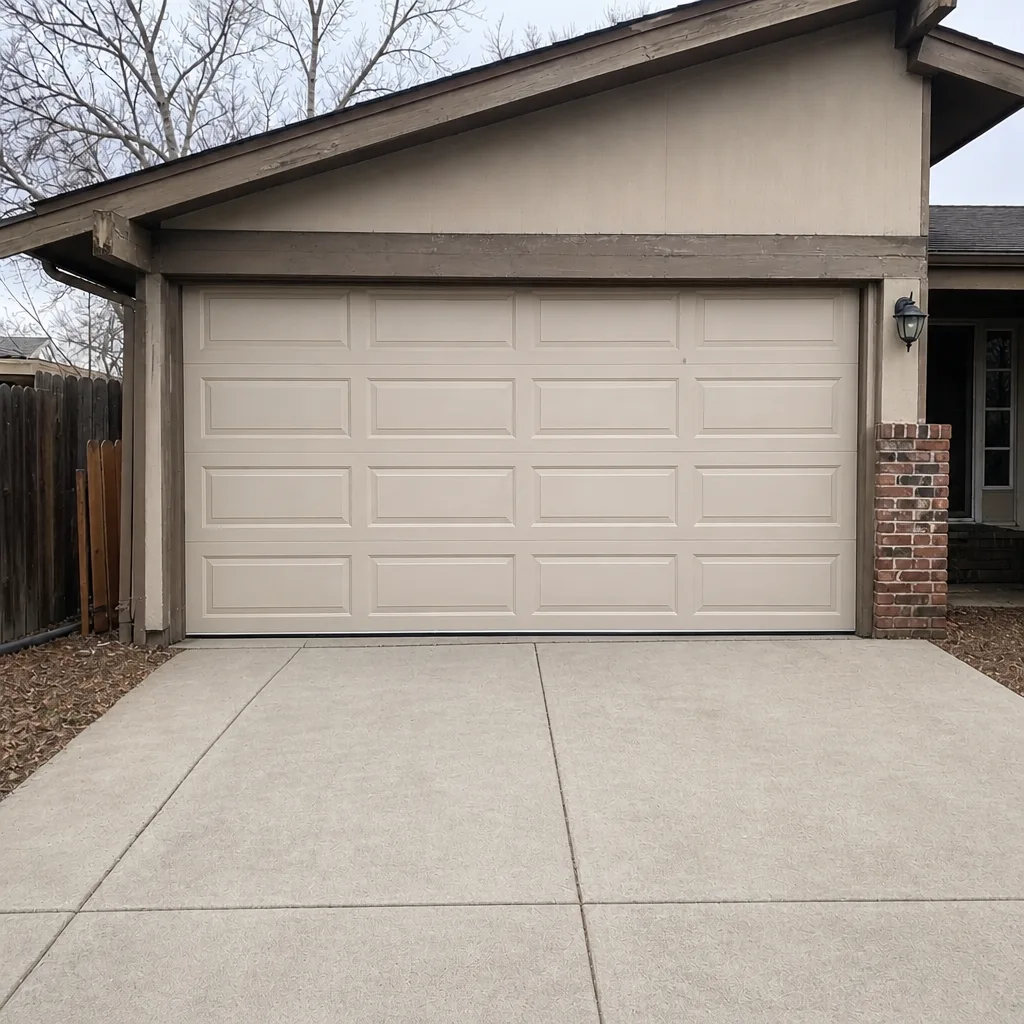
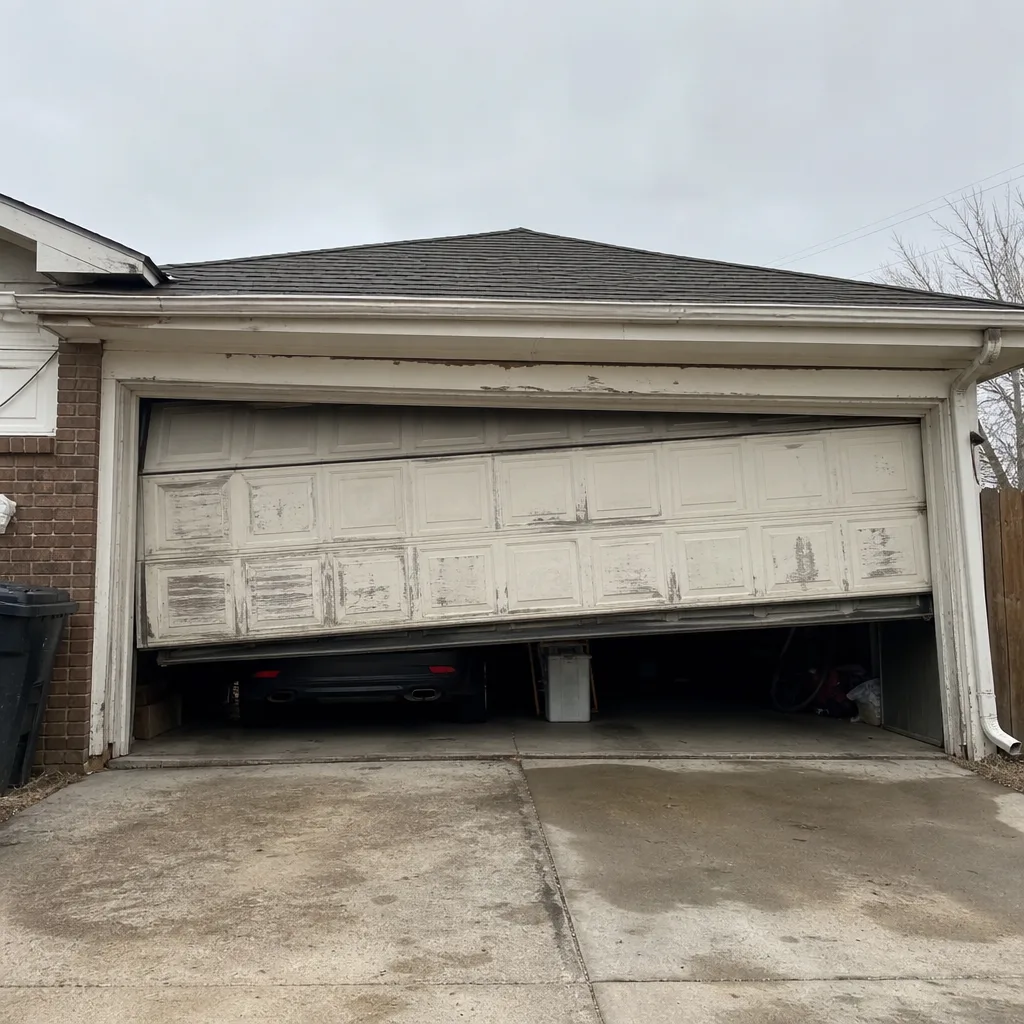
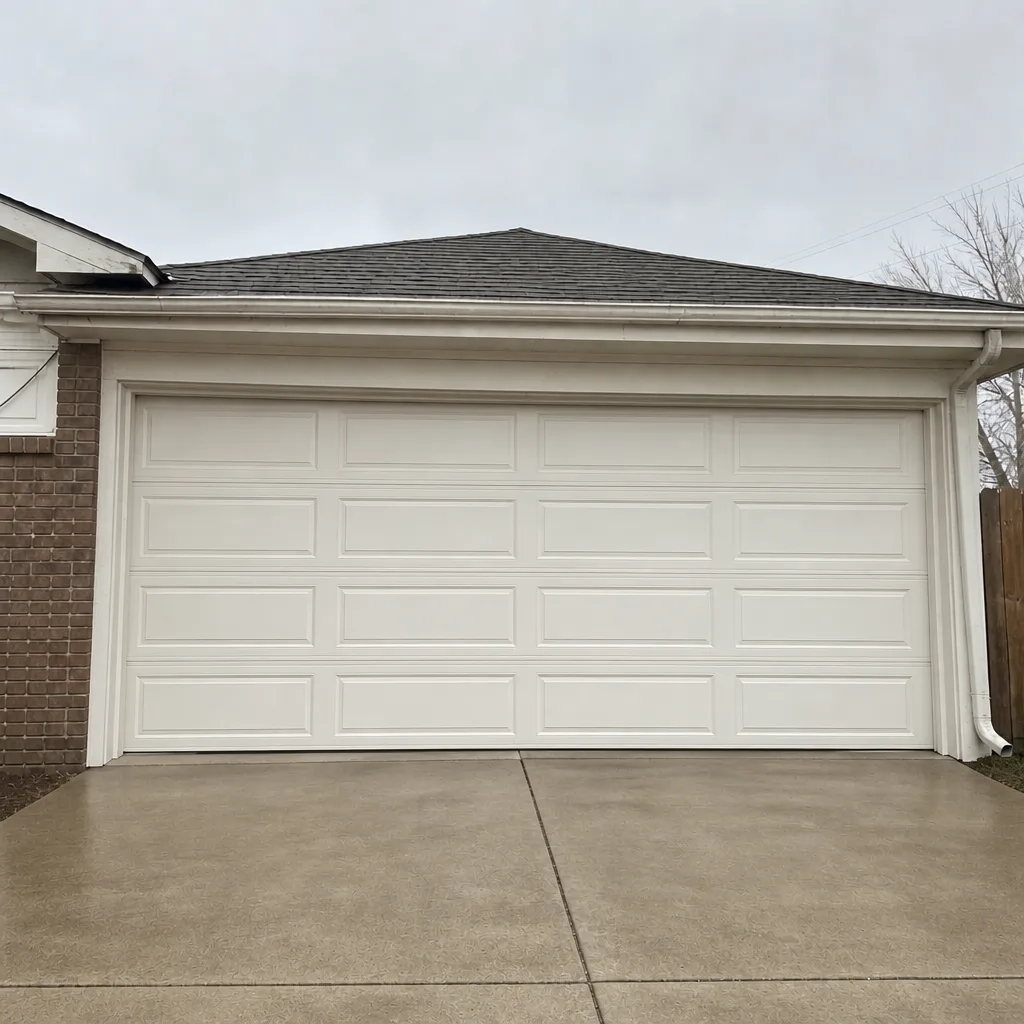
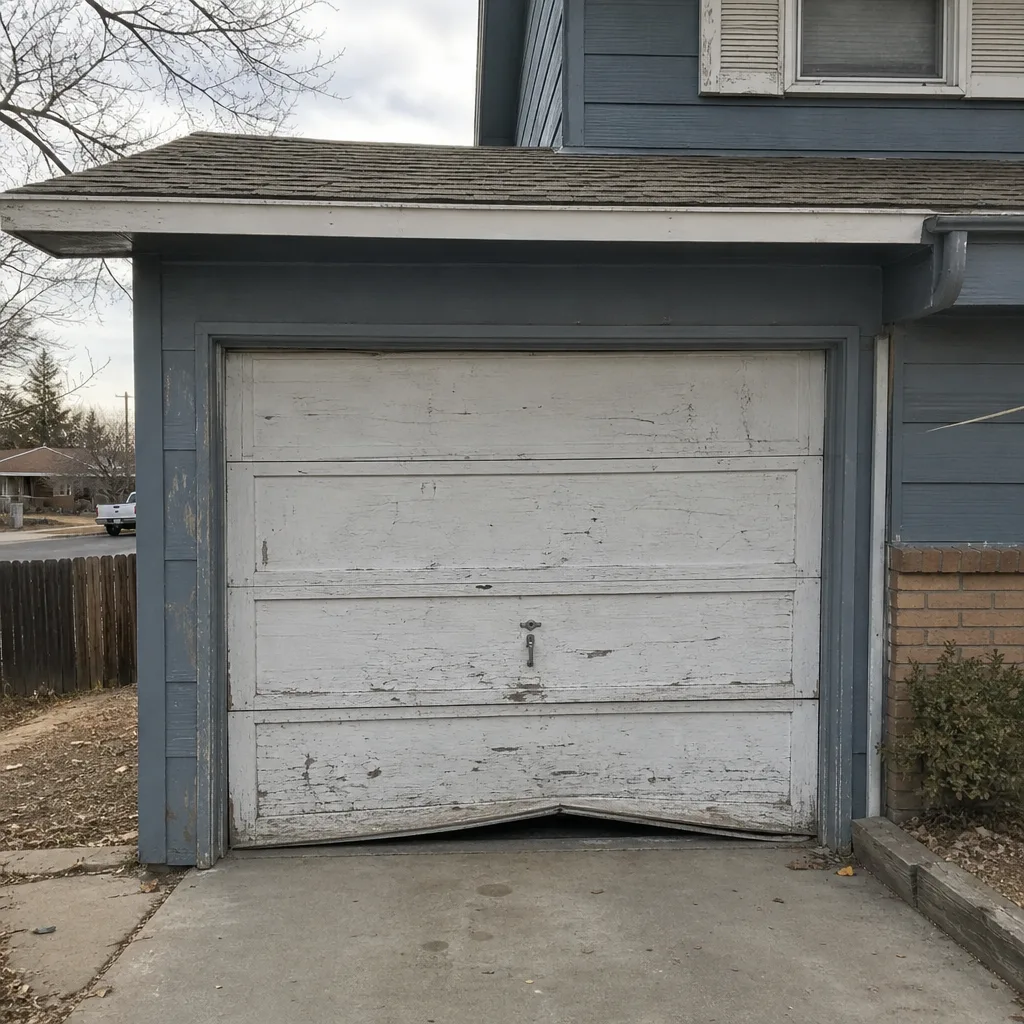
See the difference
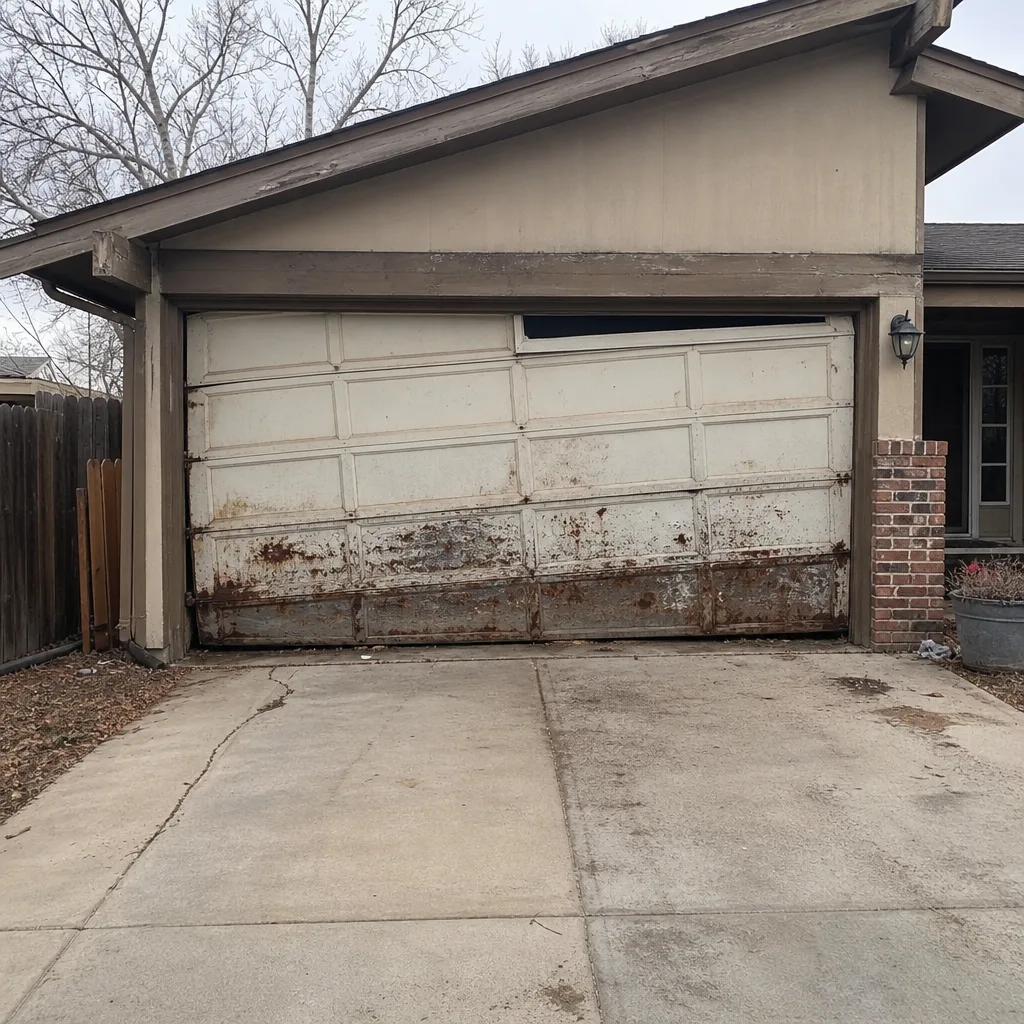 Before
 After
 Before
 After
 Before
 After
When to Call a Professional
Some garage door problems resolve with a manual release and a patient hour. Others don’t, and knowing the difference is the point of this guide. Call us if the manual release won’t pull, if the door won’t move by hand after release, if you heard a snap or bang from the springs or cables, if the door is hanging crooked or has come off one side of the track, if a track is visibly bent, if the opener runs but the door doesn’t move, if the door reverses immediately on closing without an obstruction, or if anything looks unsafe.
For urgent situations – a stuck-open door overnight, a door that won’t close at all, a broken spring with the car inside – choose emergency service. Brighton Garage Door Repair Co offers emergency garage door service and free estimates in Brighton – call (866) 754-4750. We’re the team that services every major brand to your specific system, including LiftMaster, Chamberlain, Genie, and Clopay, so the technician that arrives already knows your door.
Frequently Asked Questions
A garage door emergency is any failure that creates a safety or security problem: a door stuck open, a broken spring with the car trapped inside, a door that won’t close, a snapped cable, or a track failure that has left the door hanging. Convenience issues like a slow opener or a noisy door can wait for a scheduled appointment, but the five above deserve a call the same day. Call (866) 754-4750 for an exact quote – estimates are free.
Spring repair is priced per spring, and a typical job in the Brighton area runs roughly $200-$400 per spring, with a matched pair usually replaced together at about double that. The written estimate you receive before any work starts is the price – nothing changes once the technician is on site. Every price we quote is per job, per door, and agreed in advance. Call (866) 754-4750 for an exact quote – estimates are free.
For emergency situations – a door that’s stuck open, a door that won’t close, or a spring failure trapping a vehicle – we prioritize dispatch and most Brighton calls are handled the same day. For non-urgent issues like a noisy opener or a door that’s slightly out of adjustment, expect a scheduled appointment within a normal planning window. Call (866) 754-4750 and we’ll tell you the soonest available slot.
On chain, belt, and screw drive openers (LiftMaster, Chamberlain, Genie, Craftsman), the release cord hangs from the trolley on the overhead rail. On a jackshaft opener, it’s a lever or cord on the side of the wall-mounted unit, sometimes with a keyed external release. Find yours and test it before you need it – the pull should produce an audible click. Call (866) 754-4750 for an exact quote – estimates are free.
No. The written estimate you’re given before any work begins is the price you pay. If we find a secondary issue during the job, we stop and quote that separately before touching it. You’ll never see unexpected charges on the invoice. Call (866) 754-4750 for an exact quote – estimates are free.
The local professionals we connect you with are licensed and insured as their state requires. Our technicians have up to 13 years of experience, service all eight major residential brands, and carry the correct tools for high-risk work like spring and cable replacement. If you’re unsure whether your situation requires an emergency visit, call and ask. Call (866) 754-4750 for an exact quote – estimates are free.
The Bottom Line
A garage door emergency is a timing problem more than a technical one. The equipment fails when it fails, but the size of the crisis is almost entirely about what you have on hand and whether your manual release works. Test it, keep the tracks clear, build the one-page emergency card, and know the five scenarios cold: power outage, broken spring, frozen track, opener failure, and snapped cable. Skip the DIY heroics on the springs and cables – those are professional-only. Everything else is preparation. If your door fails tonight, Brighton Garage Door Repair Co is the number to keep on the wall: (866) 754-4750, free estimates, and a written price before any work starts.
For a full picture of what we do beyond emergencies, start with Brighton Garage Door Repair Co. For more on the topics covered here, the relevant pages are spring repair, opener repair, and general repair.
Written by the team at Brighton Garage Door Repair Co.