Last updated November 23, 2026
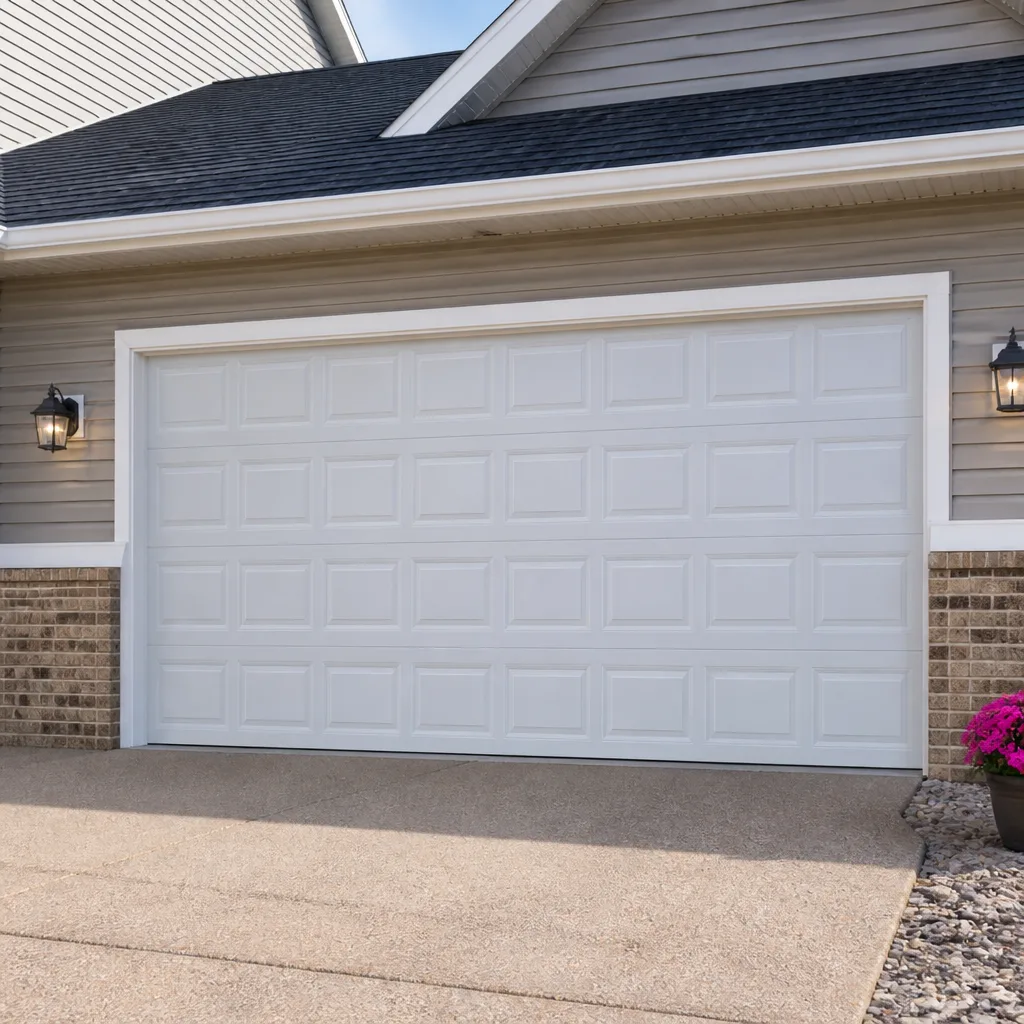 Raised-panel steel
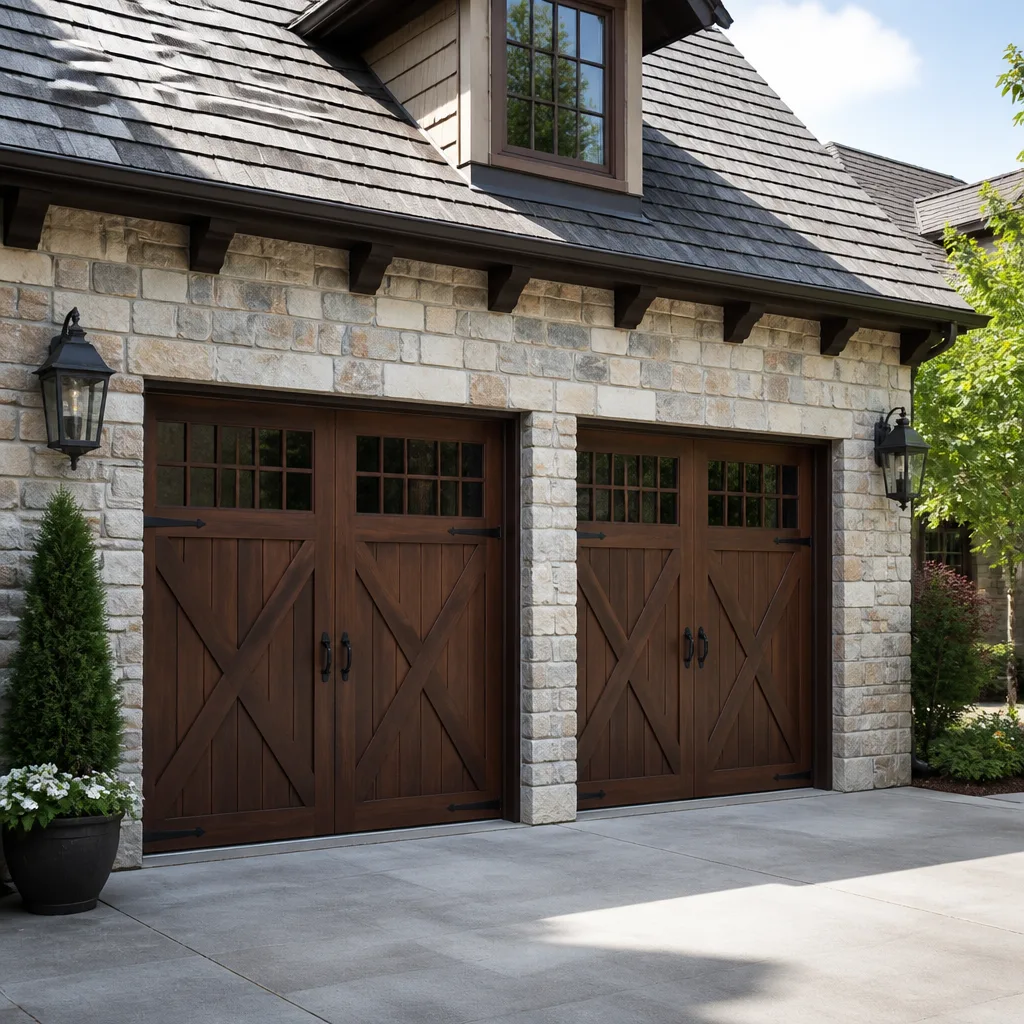 Carriage house
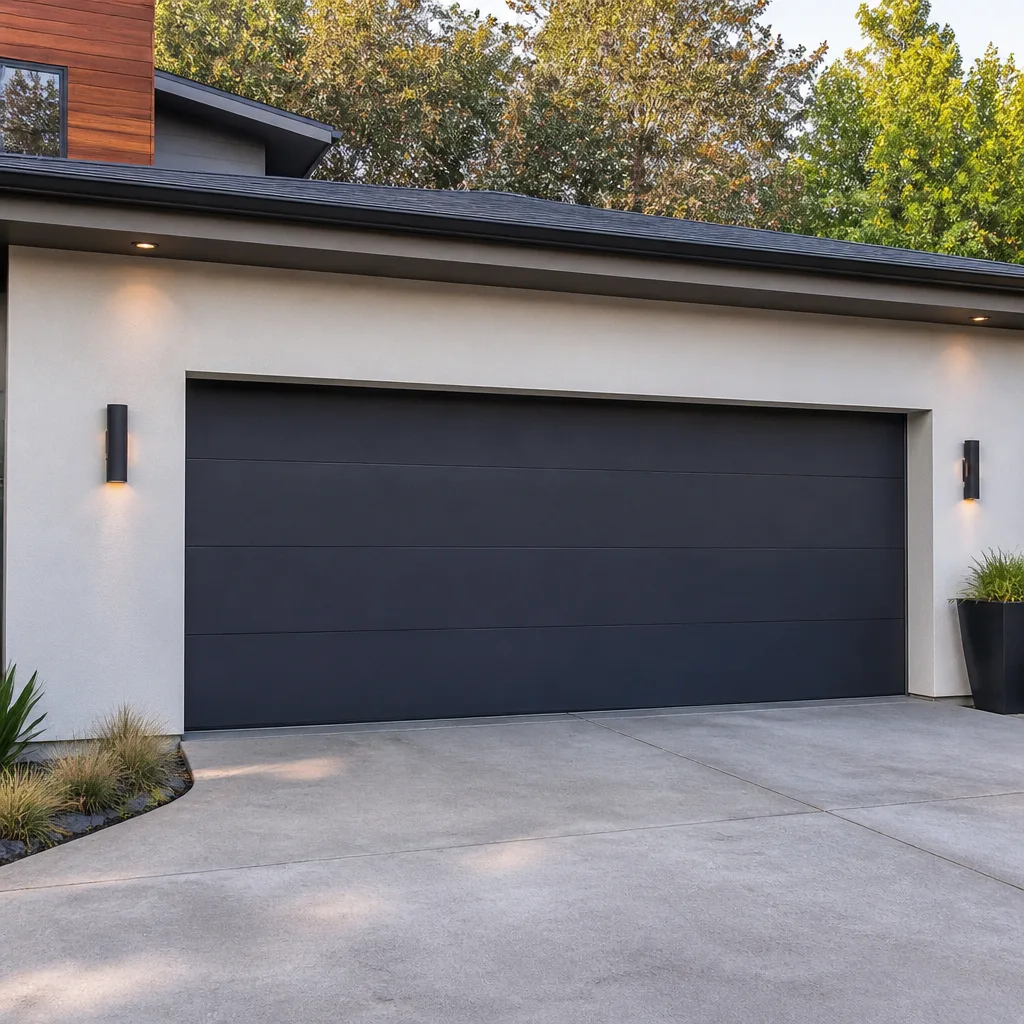 Modern flush
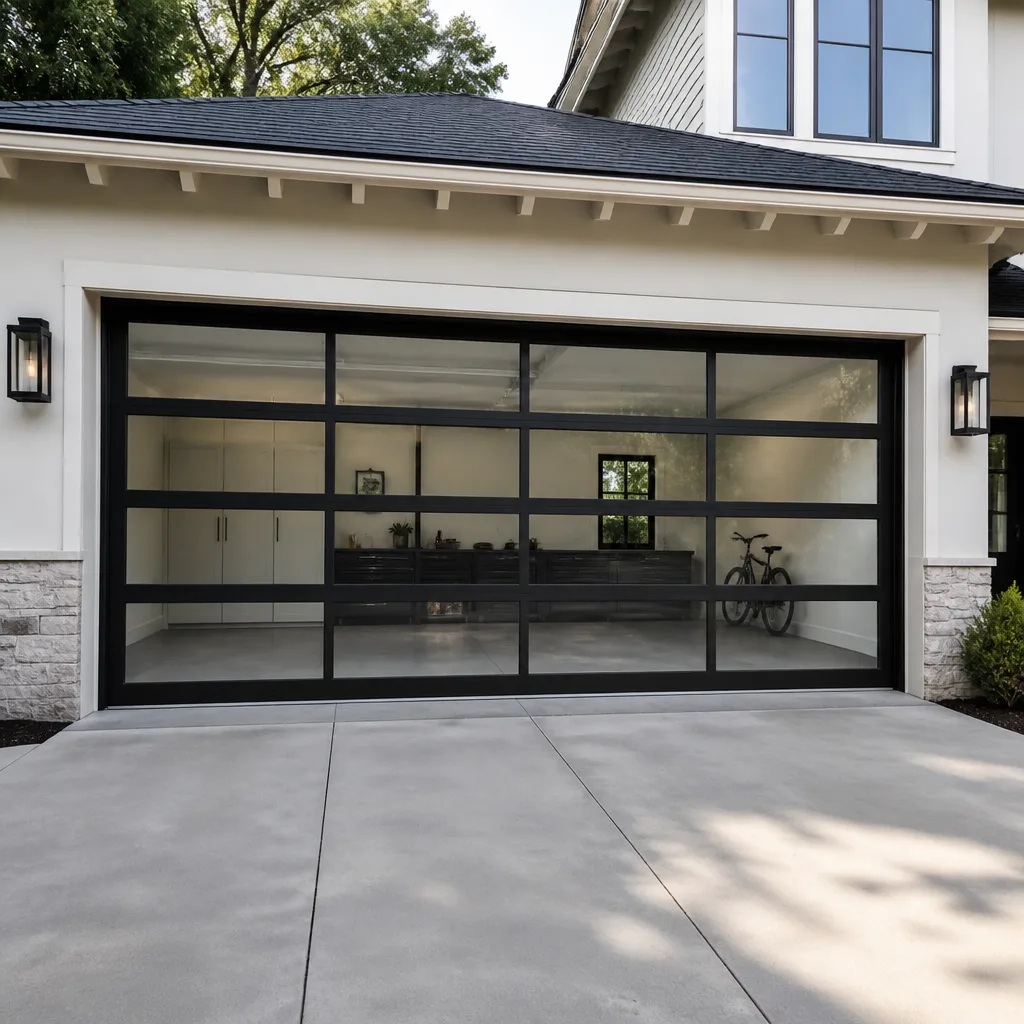 Full-view glass
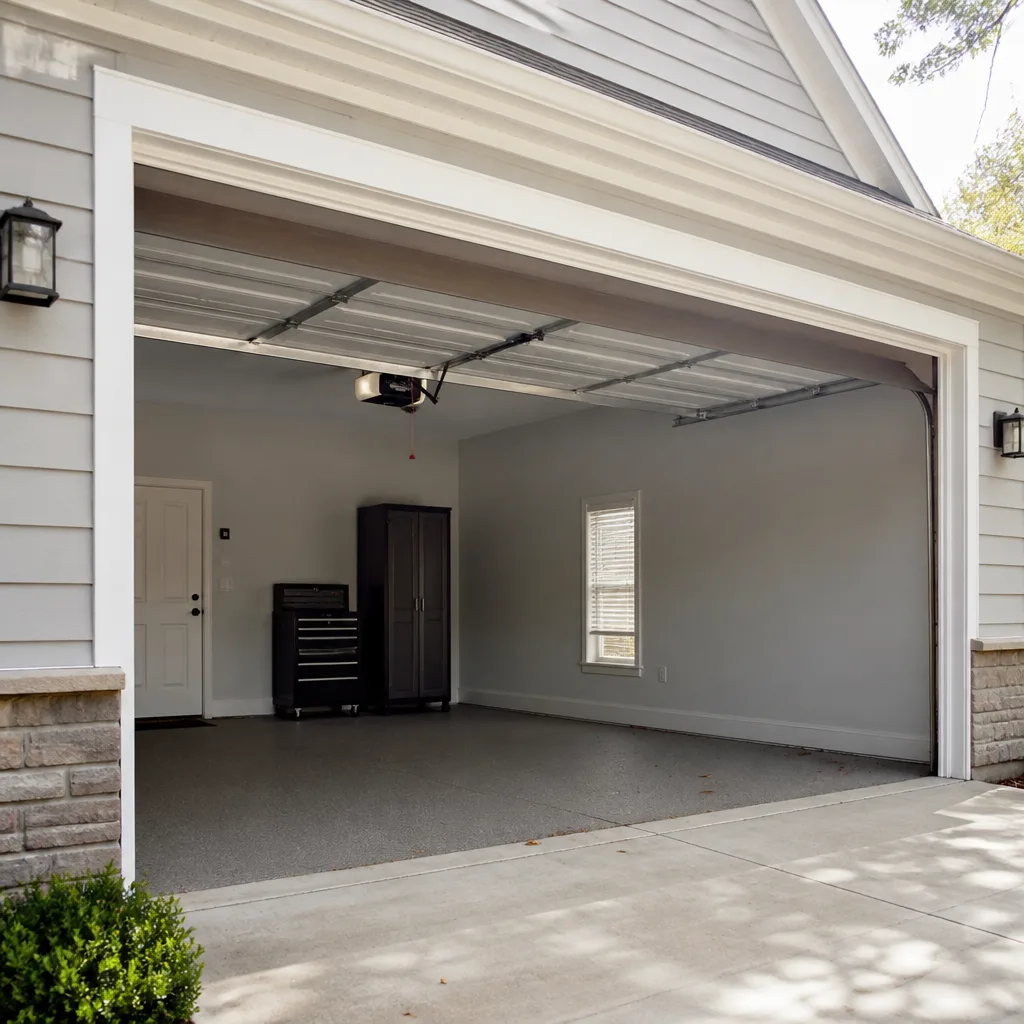 LiftMaster openers
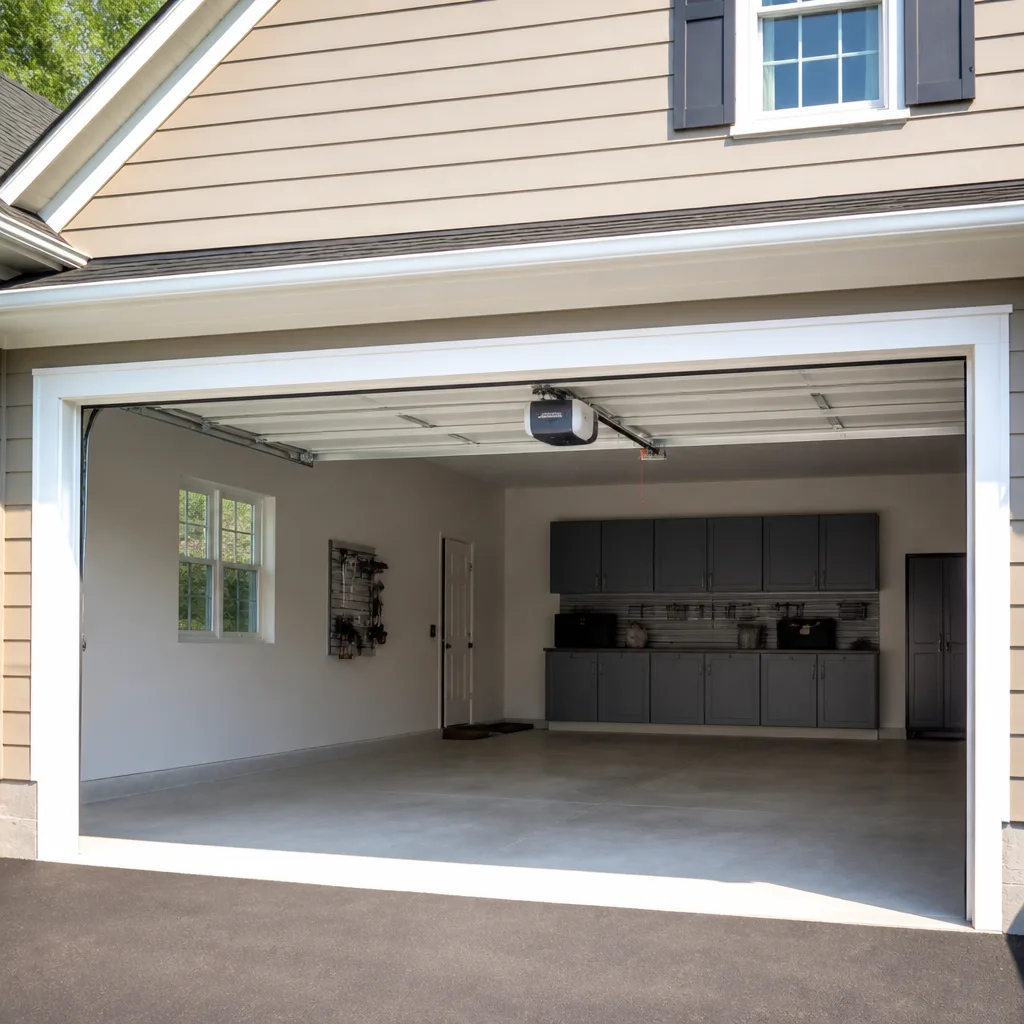 Chamberlain openers
Full 25-point door and opener safety check with every visit - springs, cables, rollers, tracks, and your LiftMaster or Chamberlain opener included
You get a price before we start. It does not change when the pro arrives.
Get your free estimateGarage Door Repair Maintenance Checklist for Brighton Homeowners
Lubricating your hinges in August when your springs have already taken a Colorado winter is like rotating the tires on a car with a cracked axle: right task, wrong order. Most checklists bury the dangerous parts under the cosmetic ones, so homeowners spend their effort on rollers while the spring above their head is already stress-fatigued. This guide fixes the sequence. You’ll get a task-ordered maintenance plan built around Brighton’s temperature swings, a 90-second monthly audit, clear lines between what you can safely do and what needs a technician, and a log you can hand to an inspector or a warranty desk.
Quick Answer
A garage door maintenance checklist in Brighton should start with the safety-critical components (springs, cables, bottom bracket, track alignment) before anything cosmetic. Homeowners can safely handle lubrication, visual inspections, and balance and sensor tests on a monthly schedule; springs, cables, brackets, and any opener that needs internal repair belong with a technician. Sequence matters more than frequency, because Brighton’s freeze-and-thaw cycles stress the mechanical parts first and the visual parts last.
Styles & brands we work with
- Raised-panel steel
- Carriage house
- Modern flush
- Full-view glass
- LiftMaster openers
- Chamberlain openers
Table of Contents
- Why Order Matters More Than Frequency
- Start With the Safety-Critical Parts
- The 90-Second Monthly Visual Audit
- Lubricants That Survive Brighton’s Temperature Swings
- A Season-by-Season Schedule for Brighton
- What You Can Do vs. What Needs a Technician
- Opener, Sensor, and Electrical Checks
- Building a Maintenance Sign-Off Log
Why Order Matters More Than Frequency
Most garage door advice treats every component as equally important. They aren’t. A door is a load-bearing system: the springs carry the weight, the cables transfer it, the brackets anchor it, and the opener only starts and stops the motion. If the springs are losing tension, the opener is working harder than it was designed to, and no amount of hinge oil fixes that. That’s the cracked-axle problem at the top of this guide, and it’s the reason so many Brighton homeowners feel like they’re maintaining their door constantly without ever getting ahead of failures.
Sequence the work in this order and everything downstream gets easier:
- Safety-critical components. Springs, cables, bottom bracket, track alignment, and the door’s balance. These carry load and can injure someone if they fail.
- Mechanical wear items. Rollers, hinges, bearings, and the pivot points. These affect smoothness and noise.
- Electronics. Opener force settings, safety sensors, remote range, and the auto-reverse function.
- Cosmetics and weather sealing. Panel finish, bottom seal, and side jambs.
Brighton’s climate makes the first category more urgent than it would be somewhere mild. A door that goes from a 90-degree July afternoon to a single-digit January night expands and contracts repeatedly, and the metal fatigue concentrates in the springs. Treat the safety-critical check as the entry point of every maintenance session, not the optional extra.
Start With the Safety-Critical Parts
Four parts of a garage door carry enough stored energy to seriously hurt someone: the torsion spring or springs above the door, the extension springs (on older doors, usually running along the horizontal tracks), the lift cables that spool on the cable drums, and the bottom bracket where the cable attaches at the base of the door. Everything else on the door is comparatively low-risk.
That’s why this section is a “what to check” list, not a repair manual. Here’s what to look at from a safe distance, standing on the ground with the door closed and the opener disconnected from the door if you’re comfortable doing that:
- Gap in the spring coil. A torsion spring with a visible gap, or one resting at a different position than it did a month ago, is a spring that has broken or is about to. Stop using the door.
- Cable condition. Look for fraying, kinks, or a cable that has come off its drum. A slack or damaged cable means the door is no longer safely suspended.
- Bottom bracket. It should be solidly attached to the door with no cracks in the metal or loose fasteners. This bracket is under constant cable tension.
- Door balance. With the opener released, lift the door about halfway by hand and let go. It should hold roughly in place. If it drops or runs upward, the spring tension is off.
If anything in that list looks wrong, the right next step is a call, not a wrench. garage door spring repair is the one job in this trade we’d never recommend as a DIY project, because the spring holds hundreds of pounds of stored force and a slip can be catastrophic. Our technicians have up to 13 years of experience and carry the winding bars and safety protocols that this work requires. If your door is stuck or off its track after something gives, emergency service is available for situations that can’t wait until the next business day.
The 90-Second Monthly Visual Audit
Most developing failures give you weeks of warning. The trick is a short, repeatable walk-around that catches them before they become an emergency call. This audit takes about 90 seconds, and it catches the large majority of issues before they strand a car or lock someone out. Do it once a month, standing inside the garage with the door closed and the lights on.
- Look at the springs (15 seconds). Coils even, no visible gap, both springs on a two-spring door sitting at the same position.
- Look at the cables (15 seconds). No fraying, no slack, both cables seated on their drums.
- Look at the rollers and hinges (15 seconds). No cracked nylon, no rollers out of the track, no hinge loose at the panel seam.
- Look at the track (15 seconds). Vertical tracks plumb, horizontal tracks with a slight downward slope toward the back, no dents or bent sections.
- Look at the bottom seal (10 seconds). Seal touching the floor evenly, no gaps under one corner.
- Test the balance by hand (15 seconds). Release the opener, lift the door halfway, and let go. It should hold.
- Test the safety sensors and auto-reverse (5 seconds). With the door closing, wave an object through the sensor beam. The door should reverse immediately.
You’re not diagnosing anything complicated in that walk-around. You’re looking for change: something that was fine last month and isn’t now. Write the result in your log (more on that below) and you’ll have a running record of what’s drifting.
Lubricants That Survive Brighton’s Temperature Swings
This is where most checklists get vague, and where the wrong product does real damage. Brighton’s temperature swings break down lubricants in two ways: a thin oil that flows nicely in July can gum up and turn sticky in January, and a heavy grease that’s fine in the cold can migrate and collect grit through the summer. Neither is what you want on moving parts.
Here’s what holds up and what doesn’t:
- Use a lithium- or silicone-based lubricant on hinges, rollers, bearings, and the torsion spring coils. These hold their film across a wide temperature range and don’t attract dust the way petroleum grease does. A white lithium spray is the standard choice.
- Use a silicone spray on the weather seal and the bottom seal. It keeps the rubber pliable through cold snaps, and it doesn’t degrade the seal material the way petroleum products can.
- Do not use WD-40 (the standard multi-use formula) or any thin penetrating oil on the hinges, rollers, or springs. It’s a solvent, not a long-term lubricant, and it strips the factory grease without replacing it. That’s worse than doing nothing.
- Do not use heavy axle grease or wheel-bearing grease on the track. It collects grit and turns into an abrasive paste. The track itself should be kept clean and dry, not greased.
- Don’t lubricate the opener’s rail or the trolley with anything but the manufacturer’s specified product. A Craftsman or LiftMaster rail isn’t designed for the same product as the door hardware, and the wrong lubricant causes binding.
Two or three lubrications a year is enough for most residential doors, most usefully right before the first cold snap and again in early summer. Over-lubricating is its own problem, because excess product collects grit.
A Season-by-Season Schedule for Brighton
Front Range weather doesn’t follow a neat calendar, but the pattern is predictable enough to build a maintenance schedule around. The point isn’t that specific tasks belong to specific months; it’s that each season stresses a different part of the system, so that’s when it’s worth a closer look.
Spring (after the last hard freeze)
This is the post-winter audit. After a season of freeze-and-thaw cycles, look closely at the springs, the cables, and the balance. It’s also when the bottom seal tends to show wear from the winter, and a good time to check the door’s weather sealing before the summer heat.
Summer
Heat expands the metal in the door, the track, and the springs. Doors that were smooth in spring can start binding or running rough in the summer, often because a roller or hinge needs lubrication. This is also when the opener runs hottest, so check the opener’s ventilation and the sensor alignment on hot afternoons.
Fall (before the first hard freeze)
The most important maintenance season in Brighton. Lubricate the full system with a lithium-based product before the cold arrives, check the seals, test the balance, and look closely at the springs. A spring that’s marginal in October is much more likely to fail in January, when the metal is brittle and the door is stiff.
Winter
Cold is when doors work hardest and when failures are most disruptive. Keep the monthly visual audit consistent through the winter, and have the door’s system checked by a technician if anything looks or sounds different. This is also when a failing door tends to strand a car at the worst possible moment, which is why our emergency service exists.
What You Can Do vs. What Needs a Technician
The single most useful line in any maintenance plan is the one between tasks homeowners can safely do themselves and tasks that should go to a professional. Here it is, drawn clearly:
Safe for homeowners
- Monthly visual inspection (springs, cables, track, rollers, seal)
- Lubrication of hinges, rollers, bearings, springs, and seals
- Testing the safety sensors and the auto-reverse function
- Testing the door balance by hand with the opener released
- Cleaning the track (dry cloth, not lubricant)
- Checking and replacing the opener’s remote batteries
- Visual inspection of the opener’s mounting bolts and chain or belt tension (look only, don’t adjust)
Needs a technician
- Spring repair or replacement, including any adjustment of spring tension
- Cable replacement or re-seating on the drums
- Bottom bracket work
- Track straightening or realignment
- Roller or hinge replacement, if the door is off its track or any panel is stressed
- Opener internal repair, including logic board, gear, and force-setting work
- Any work on the door that requires disconnecting the springs from the door
The rule of thumb: if it’s about checking, cleaning, or lubricating, it’s DIY. If it’s about adjusting, replacing, or unwinding any load-bearing part, it’s a technician’s job. In our experience, the majority of the serious spring failures we see started as a home repair that was attempted on the wrong part. If your opener is the problem rather than the door, garage door opener repair covers the full range, from a LiftMaster that won’t close to a Chamberlain remote that’s gone out of range.
Opener, Sensor, and Electrical Checks
Openers are the most electronics-heavy part of the system and the most forgiving place to do your own diagnostics, as long as the door itself is sound. The sequence here matters: fix the door first, then evaluate the opener. An opener that “seems weak” on a door with a failing spring isn’t a bad opener; it’s a door that’s asking the opener to do work it was never designed to do.
Here’s the monthly opener check:
- Test the auto-reverse. With the door closing, break the sensor beam. It should reverse within a few inches. If it doesn’t, the sensors need adjustment or the door needs a technician to check the opener.
- Test the contact reverse. Place a small object (a block of wood or a rolled towel) under the door and close it. The door should reverse on contact with the object.
- Check the sensors’ indicator lights. Steady on both sensors means good alignment; flickering usually means misalignment or dirt on the lens. Wipe the lenses and re-check.
- Test the remotes and wall control. If one works and the other doesn’t, the problem is localized. If neither works, it’s usually a battery or a logic issue.
- Look at the opener’s mounting. The rail should be secure, the case should show no cracks, and the visual indicator lights should behave as the manual describes.
Do not open the opener’s case to diagnose a logic board, gear, or force-setting issue. The opener’s internal capacitors can hold a charge, and the force-setting adjustments affect how much pressure the door will apply before it reverses, which is a safety function. Leave the internals to a technician. Name the brand on your opener (LiftMaster, Chamberlain, Genie, Craftsman, Raynor, or any of the others) when you call, and the technician will know the specific drive system before they arrive.
Building a Maintenance Sign-Off Log
A written log is the difference between “I think I’ve kept up with it” and having documentation. It matters in two situations: a warranty claim on a door, opener, or spring, and a home inspection when you sell. In both cases, a simple dated record is worth more than a folder of receipts.
The log doesn’t need to be complex. A small notebook or a spreadsheet with the same columns every time works:
- Date
- Task performed (lubrication, visual audit, balance test, sensor test, technician service)
- Observations (anything that looked or sounded different)
- Who did the work (homeowner or technician, with the service call reference if applicable)
- Follow-up needed (anything to watch next month or schedule)
Two practices make the log actually useful. First, keep it with the door’s documentation (the original manual, the opener’s manual, and any service invoices), so it travels with the house. Second, log the negatives too: “no change,” “springs even,” “balance good.” A log that only records problems tells a future inspector nothing about the door’s baseline. A log with clean entries every month is a much stronger document, because it shows the door was actually being watched.
When a technician does a service visit, ask for a written summary that matches your log format and keep it with the rest of your records. That one habit makes warranty claims and resale inspections noticeably easier.
Common Mistakes to Avoid
- Lubricating the springs or hinges with WD-40 or a thin penetrating oil. These strip the factory lubricant and leave the parts dry. Use a lithium-based product instead, and reapply it before the cold season, not after.
- Adjusting spring tension yourself. The torsion spring holds hundreds of pounds of stored energy. The correct tools (winding bars) and the correct sequence for safe unwinding are not something to learn from a video. This is the top cause of serious garage door injuries, and it’s a job for a technician.
- Greasing the track. Many homeowners assume a noisy door needs grease on the track. It doesn’t. The track should be clean and dry, and greasing it collects grit and causes binding. Lubricate the hinges, rollers, and springs instead.
- Fixing the opener before the door. If a door is unbalanced or a spring is failing, a stronger opener isn’t the fix; it just overworks a failing part. Get the door checked first, then evaluate the opener.
- Skipping the fall lubrication window in Brighton. The biggest single maintenance mistake in this climate is walking into a cold snap with a door that hasn’t been lubricated since summer. Cold metal and dry hinges wear faster and fail more often.
- Ignoring the monthly balance test. It’s the fastest way to catch a spring that’s losing tension. If the door doesn’t hold roughly halfway up with the opener released, the spring is drifting and should be checked by a technician.
- Not keeping a log. A door without records is a door an inspector will look at with more suspicion. A dated log of clean monthly audits changes that conversation.
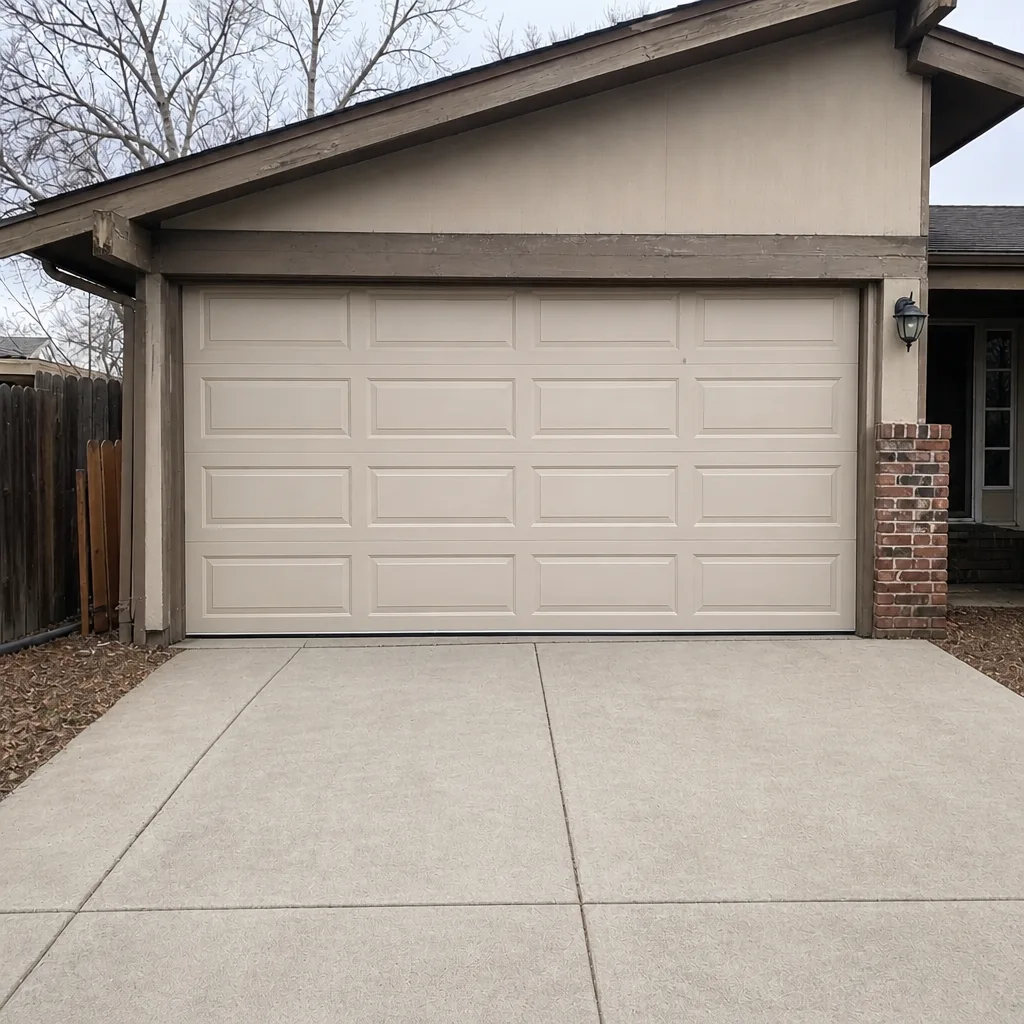
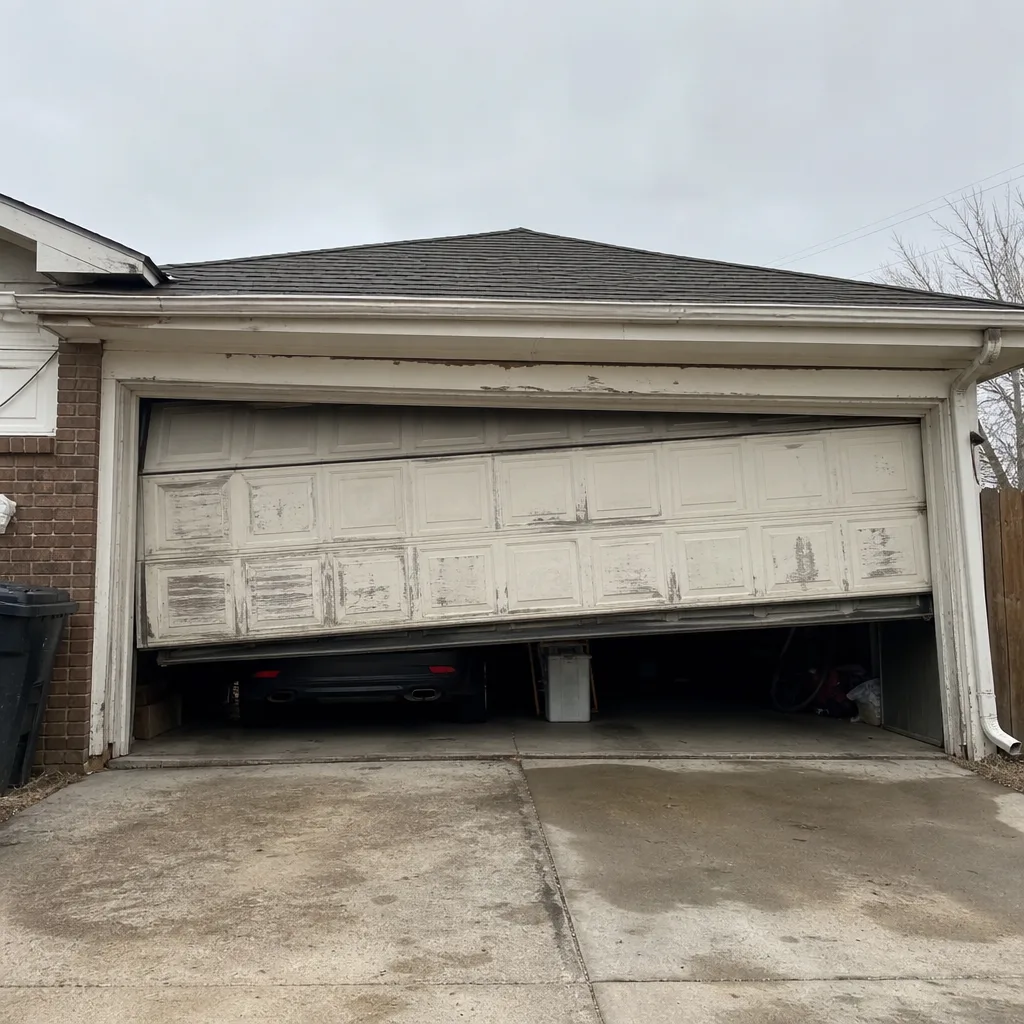
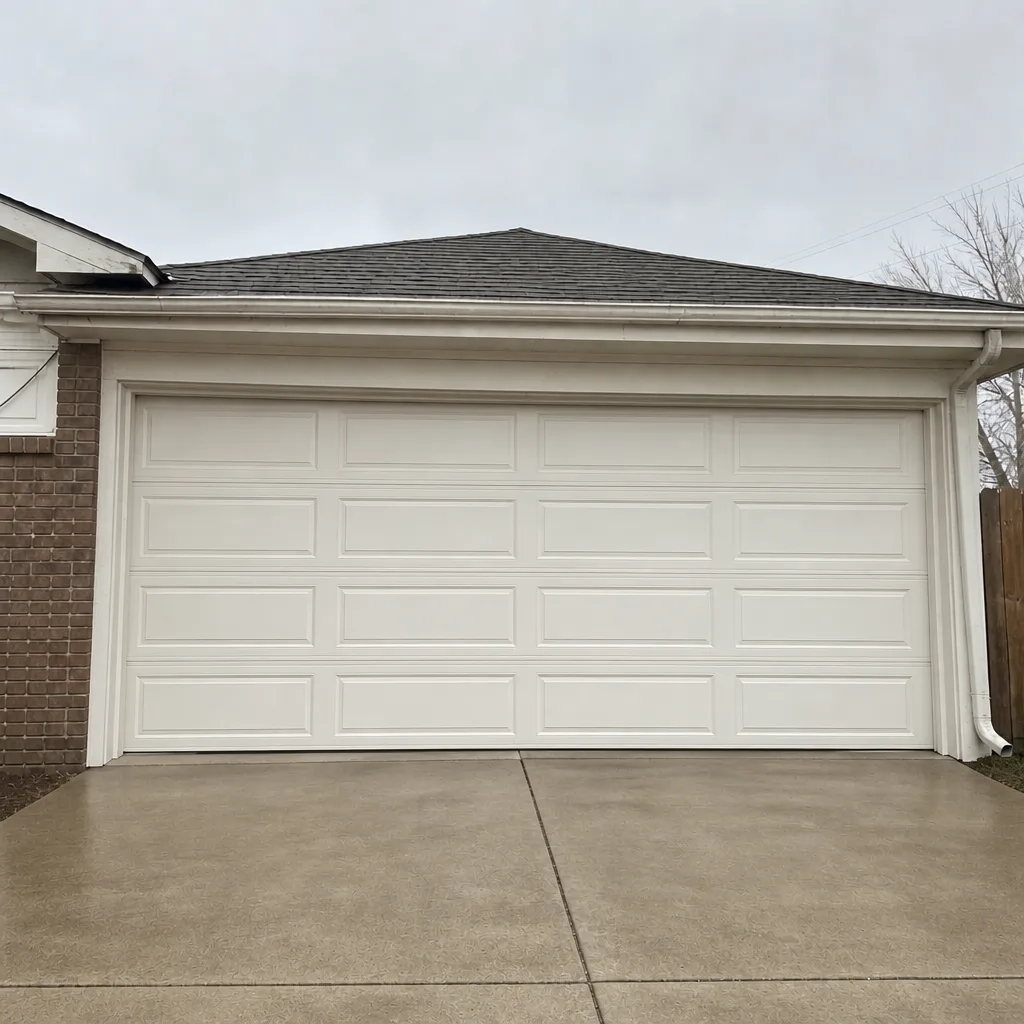
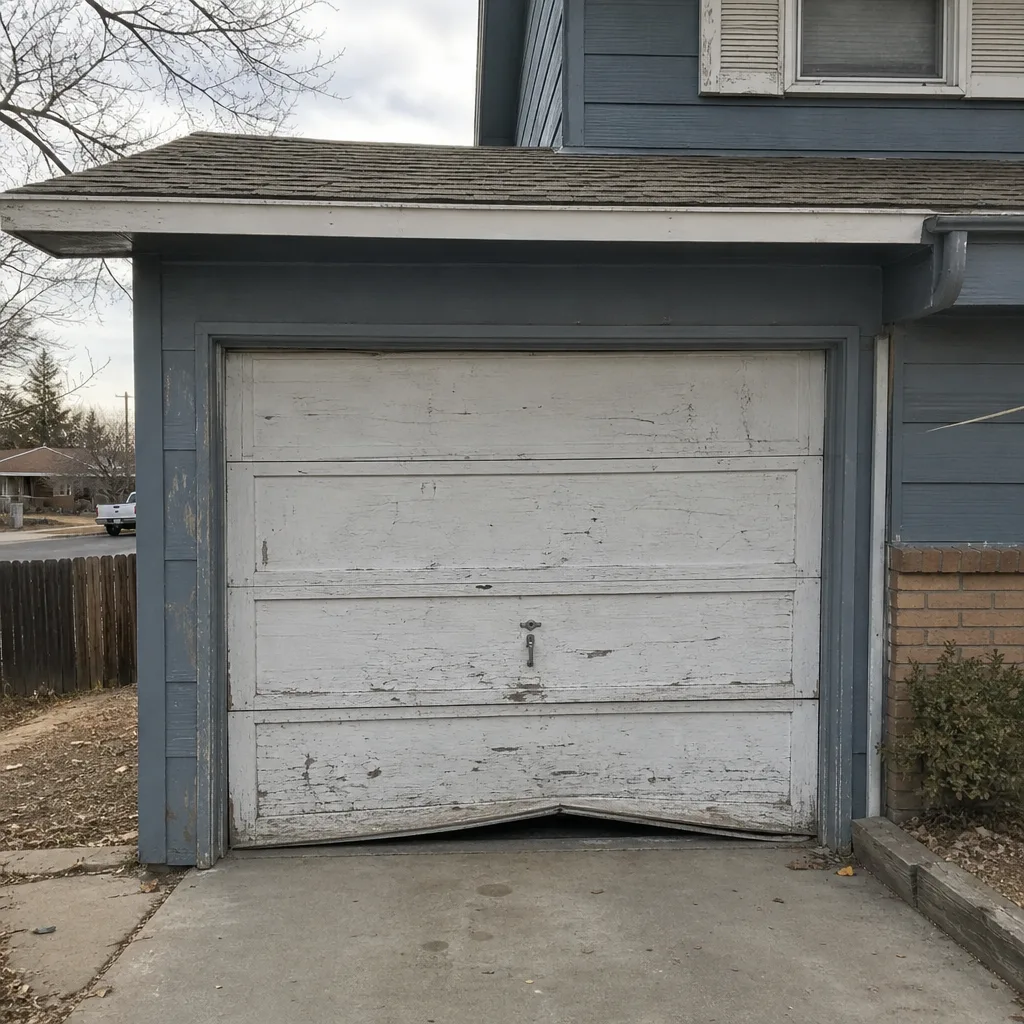
See the difference
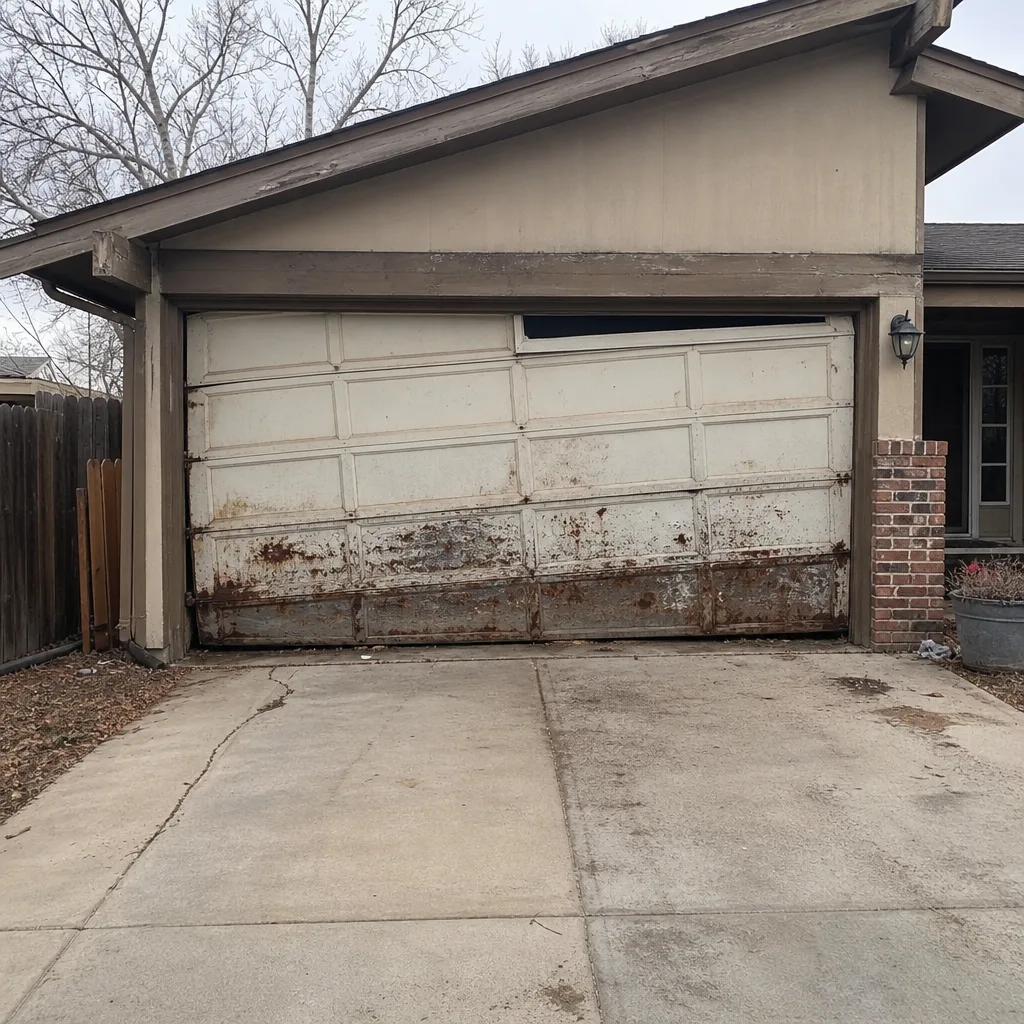 Before
 After
 Before
 After
 Before
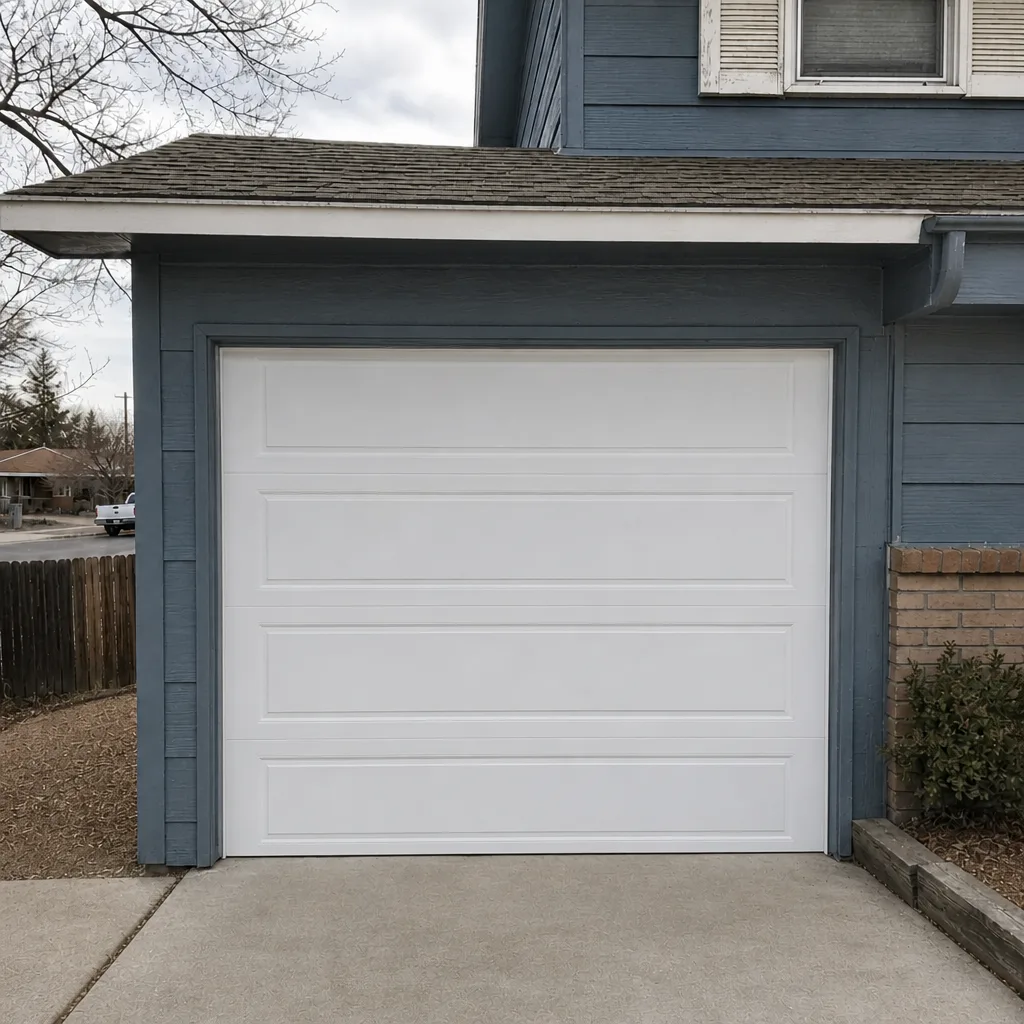 After
When to Call a Professional
Call a professional any time the safety-critical parts are involved. That means a visible spring gap, a cable that’s come off its drum, a loose bottom bracket, a door that drops when released halfway, or a door that’s come off its track. It also means any work on the opener’s internals, any track straightening, and any replacement of springs or cables. If a door has failed and stranded a car or left the garage unsecured, emergency service is the right call rather than waiting for the next regular visit. And if you’re unsure whether a noise, a shudder, or a slow spot is normal, a professional can look without guesswork. Brighton Garage Door Repair Co offers free estimates in Brighton: call (866) 754-4750. We service every brand on the door, from Clopay and Amarr doors to Raynor and Genie openers, and we’ll tell you plainly whether it’s maintenance, repair, or time to replace.
Frequently Asked Questions
Two or three times a year is right for most Brighton doors, timed to the season changes and using a lithium-based lubricant. The most important one is the fall lubrication, done before the first hard freeze, because that’s when a dry hinge or dry spring is most likely to fail.
No. Spring adjustment involves stored energy that can cause serious injury if it releases unexpectedly, and it needs the correct winding bars and a careful sequence. This is the one part of the door where DIY is genuinely not an option. Call a technician for any spring work.
Checking, cleaning, lubricating, and testing are homeowner-safe. Adjusting, replacing, or unwinding any load-bearing part (springs, cables, bottom bracket) is a technician job. When in doubt, call and describe what you see; we can tell you whether it needs a visit.
Cold stiffens the door’s hinges and rollers and makes the springs less forgiving, so the door runs harder and louder in winter than it does in summer. If the noise is new and persistent, it’s worth a check; if the door is also slow or doesn’t hold its balance, that’s a stronger signal.
Yes, and a simple dated log is enough. Record the date, the task, what you observed, and who did the work. That log shows an inspector or a warranty desk that the door has been maintained, which is what they’re actually looking for.
No. We’re open Sunday through Friday, 7am to 7pm, and closed Saturday. If your door fails on a Saturday, call and we’ll book you for a visit on Sunday.
It can. A door that’s been skipped for months can fail suddenly, and a door that won’t open or close leaves the garage unsecured. Emergency service is available for those situations, and it’s the right call rather than forcing a door that’s not safe to operate.
The Bottom Line
Sequence matters. Start every maintenance session with the safety-critical parts (springs, cables, bottom bracket, balance) before touching anything cosmetic. Do the 90-second visual audit monthly, lubricate with a lithium-based product before each cold season, and keep a dated log. Leave the springs, cables, track straightening, and opener internals to a technician, and use the checklist to catch drift early rather than as a repair manual. That’s the difference between a door that quietly runs for years and one that fails on a cold morning. When a visit makes sense, Brighton Garage Door Repair Co handles the full range, from a single spring to a complete new installation, across all the major brands. Whether it’s a garage door repair or a full assessment, call (866) 754-4750 for a free estimate. Whatever brand is on your door, we know it.
Written by the team at Brighton Garage Door Repair Co.