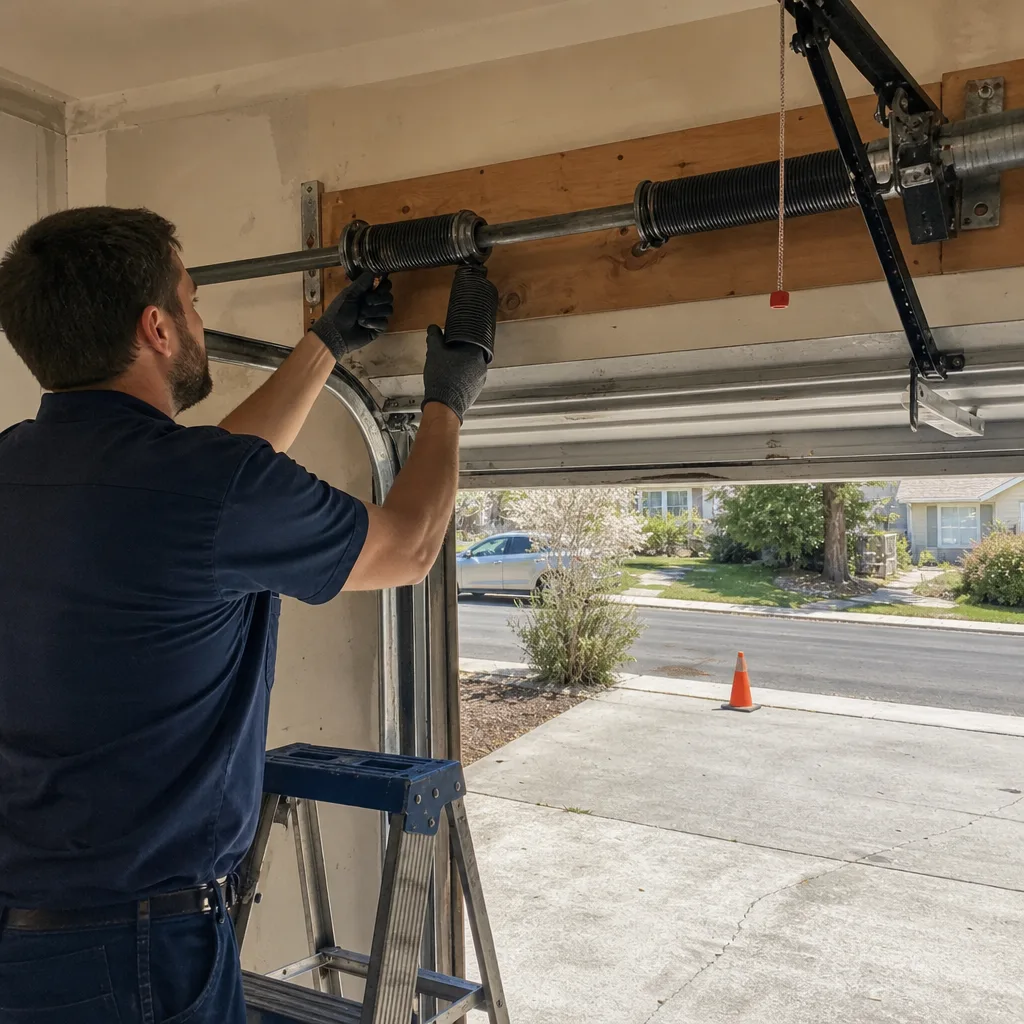
Last updated November 23, 2026
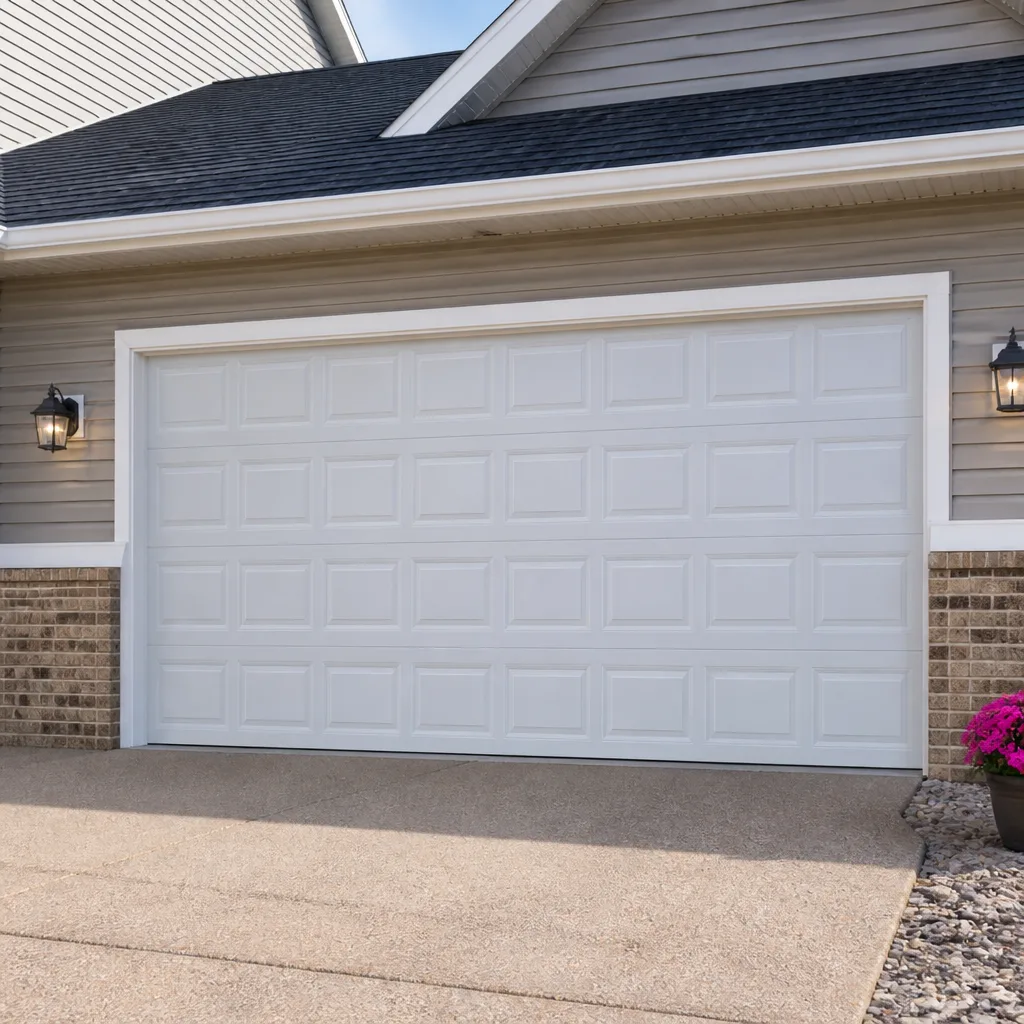 Raised-panel steel
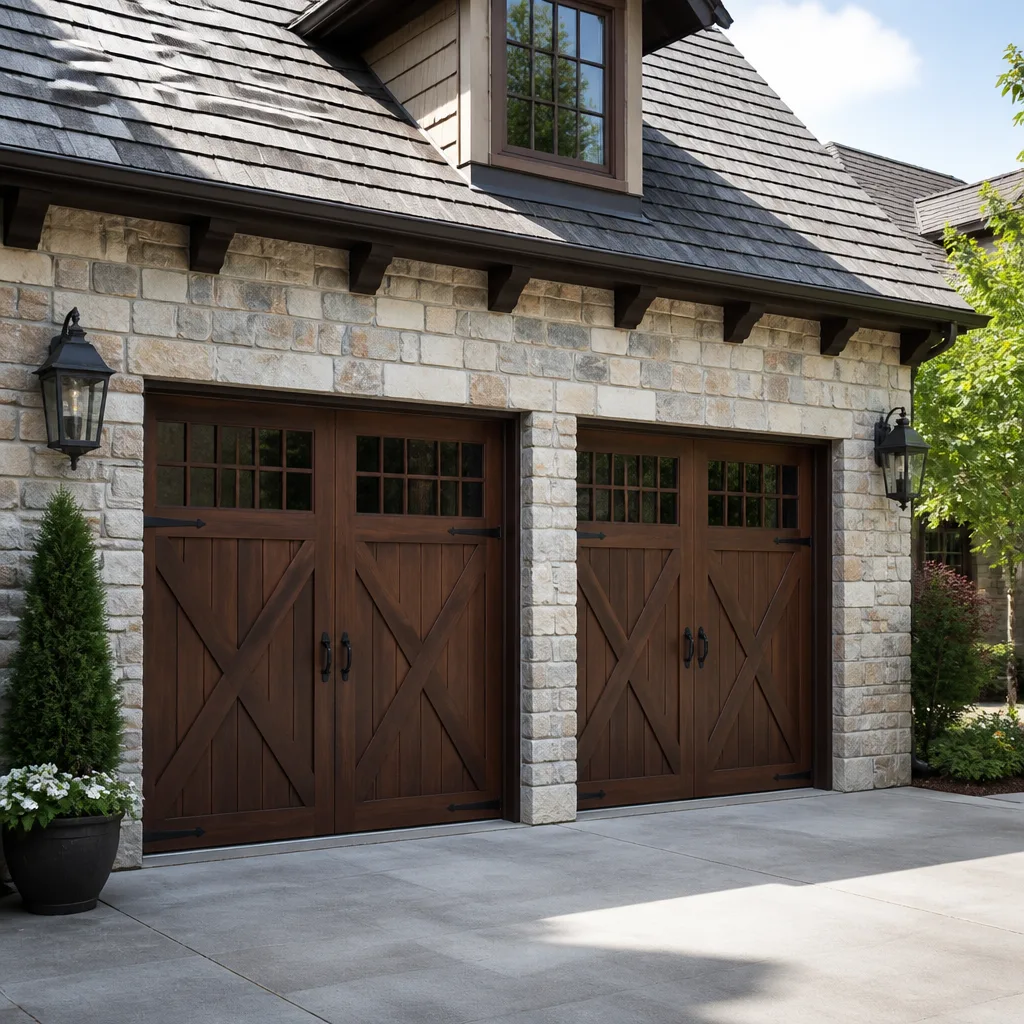 Carriage house
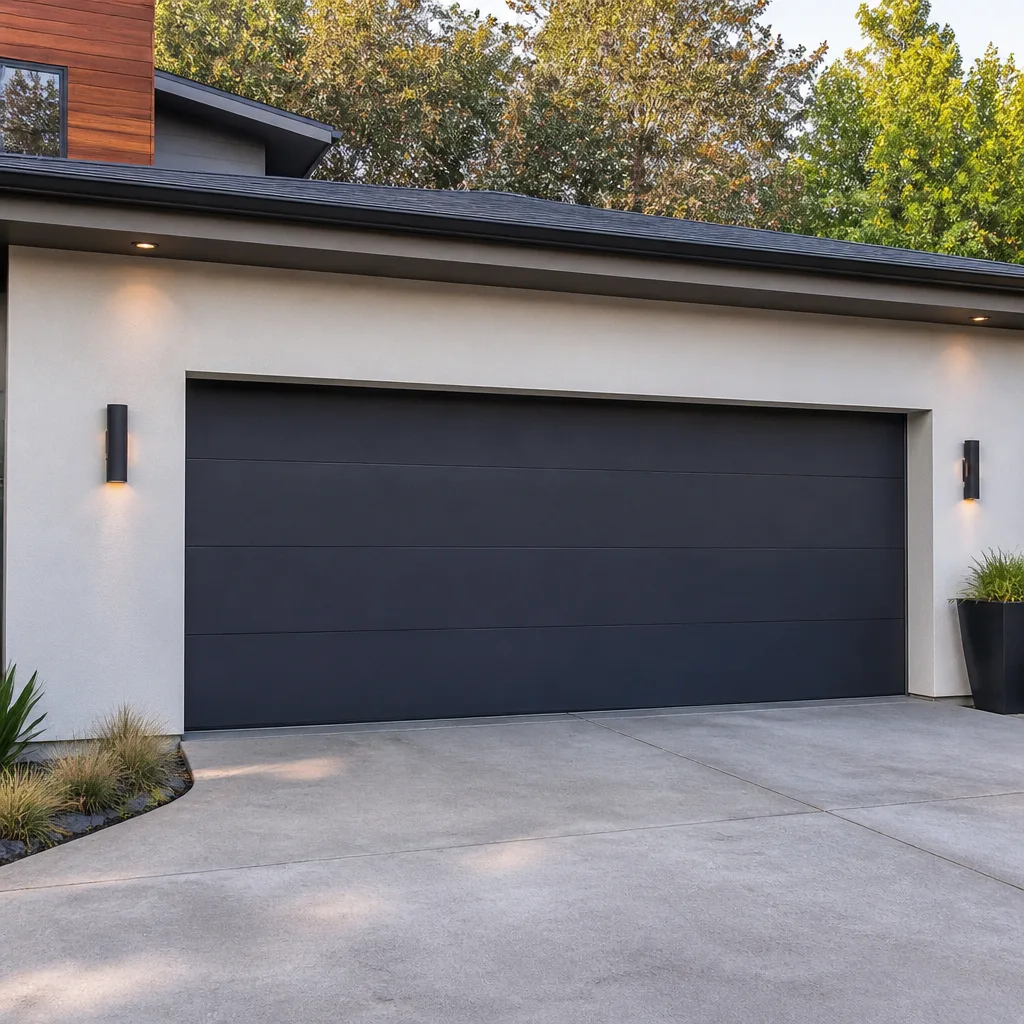 Modern flush
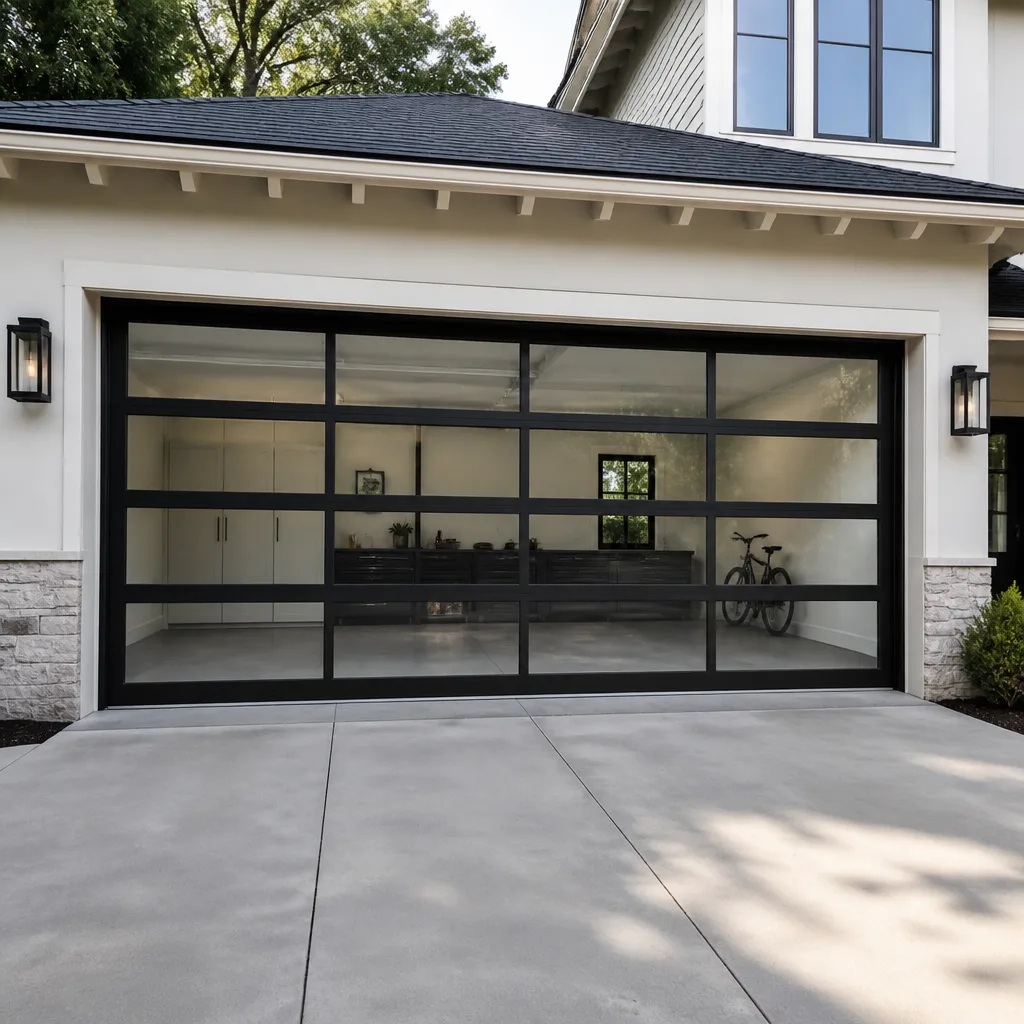 Full-view glass
 LiftMaster openers
 Chamberlain openers
Full 25-point door and opener safety check with every visit - springs, cables, rollers, tracks, and your LiftMaster or Chamberlain opener included
You get a price before we start. It does not change when the pro arrives.
Get your free estimateGarage Door Warning Signs: A Brighton Homeowner’s Reference Guide
Garage doors almost never fail out of nowhere. They warn you first, usually for weeks, and the warning comes as sound, movement, or a small visual detail most people write off as cosmetic. A door that’s “a little slow” on a cold Brighton morning is the clearest example: that lag usually points to a spring under uneven tension, and uneven spring tension is the leading cause of the cable snap events that bend tracks, drop doors, and put anyone standing underneath in real danger. What follows is a working reference for Brighton homeowners – every common symptom paired with its likely cause and a plain severity call, so you know whether to watch it, book it, or stop using the door today.
Quick Answer
Most garage door failures announce themselves before they happen. The signs that call for immediate action are a door that reverses without warning, a visibly frayed or kinked cable, a snapped spring, or a door that hangs crooked – stop using it and call a professional right away. Slower-developing signs, like grinding, remote lag, or a door that hesitates at the top, should be scheduled for service before they turn into a bigger repair. We serve Brighton and the surrounding north-metro area, and the single most useful habit is a 60-second safety check before you trust the door again.
Styles & brands we work with
- Raised-panel steel
- Carriage house
- Modern flush
- Full-view glass
- LiftMaster openers
- Chamberlain openers
Table of Contents
- Why Garage Doors Give Warnings Before They Fail
- The Three-Tier Severity System: Monitor, Schedule, Stop
- Decoding the Sounds: What Each Noise Tells You
- Visual Warning Signs Most Homeowners Dismiss
- Opener Behavior: What Hesitation and Reversal Mean
- The 60-Second Safety Check for Brighton Homeowners
- How Brighton’s Climate Affects Your Door
- When to Stop Diagnosing and Call a Professional
Why Garage Doors Give Warnings Before They Fail
A garage door is a balanced machine. The torsion springs or extension springs carry most of the door’s weight, and the opener only has to nudge a nearly weightless door along its track. When the balance drifts, the door starts working against itself, and every other component – cables, rollers, hinges, the opener motor – picks up the load it wasn’t designed to carry. That’s why almost every serious failure has a months-long run-up of smaller symptoms. The door was telling you. Most people just didn’t know what they were hearing.
The components that wear first are predictable:
- Springs cycle up and down with every open and close and eventually lose tension or break outright. They’re the load-bearing heart of the system. This is why garage door spring repair is the most mechanically demanding job in the trade.
- Cables carry the spring tension down the sides of the door. They fray where they wind around the drum and kink if the door has been running crooked.
- Rollers and hinges wear quietly, then start to grind or squeal as the door moves through its arc.
- Tracks bend from a stray impact or from a door that’s been dragging on one side.
- The opener absorbs all of the above. A tired motor, a failing logic board, or a misaligned safety sensor each shows up as a distinct behavior pattern.
In Brighton, a lot of doors are on their second or third decade of service, and the newer construction subdivisions out toward the edges of town often have doors that have never had a single tune-up since installation. Both groups benefit from the same thing: learning the warning signs early, before a $150 adjustment becomes a $600 repair. Whatever brand is on your door – Clopay, Amarr, Wayne Dalton, or one of the others we work on every week – the physics are the same.
The Three-Tier Severity System: Monitor, Schedule, Stop
Not every symptom is an emergency, and treating them all the same is how homeowners either panic over a squeaky roller or ignore a frayed cable. We use a three-tier system on every job, and it’s the fastest way to sort what you’re seeing. Here it is:
Tier 1 – Monitor
The door still works normally, the symptom is cosmetic or minor, and it doesn’t affect safety. Think a faint squeak, a slightly noisier operation in cold weather, or a door that opens a touch slower than it used to. Watch it. If it doesn’t progress in a week or two, it’s likely just wear. Note it and mention it at your next service.
Tier 2 – Schedule
The symptom is stable but clearly abnormal, and it’s the kind of thing that gets worse the longer it runs. Grinding, a door that hesitates at one point in its travel, a remote that only works from right next to the door, or a door that reverse-hops at the bottom. Get it on the calendar. These are the repairs that save the most money when caught at this stage.
Tier 3 – Stop Using the Door
Any of the following means stop and call a professional before opening or closing the door again:
- A visibly frayed, kinked, or snapped cable
- A snapped torsion spring (the door will feel extremely heavy and drop fast)
- A door that hangs crooked or off its track
- A door that reverses without command or drops free
- A loud bang followed by the door no longer opening normally
If you see any Tier 3 sign, don’t test it. Leaving the door closed until someone qualified looks at it is the safest call, especially if a car or a person regularly sits under the door. That’s why we offer garage door repair as an urgent option – some of the failures we’re called out for are the kind that need to be handled before the day is out, not scheduled for next week.
Decoding the Sounds: What Each Noise Tells You
Sound is the earliest warning a garage door gives, and it’s also the most useful diagnostic tool you have – if you know what to listen for. When you call, the ability to describe the exact sound shortens the diagnostic process and often the repair time. Here’s how the common sounds break down by component:
Grinding
A rhythmic, low grinding that follows the door’s movement usually points to dry or failing rollers, a worn hinge, or a track that needs adjustment. It’s almost never the opener unless the noise continues after the door has stopped moving. This is typically a Tier 2 sign – book it, don’t panic.
Popping or a Loud Bang
A single sharp bang, especially right when the door starts to open, is the classic signature of a snapped torsion spring. The door will usually feel very heavy and may not open at all. This is Tier 3. Stop using the door and call us.
Scraping or Metal-on-Metal
A scraping sound as the door travels often means a cable has jumped its drum, a panel is dragging the track, or a roller has come loose. Book a service before running the door again – continuing to run it in this condition can twist the track and turn a cable repair into a full track replacement.
Rhythmic Clicking
Steady clicking that matches the door’s travel is usually a loose hinge pin, a worn roller bearing, or a bolt that’s worked loose. It’s rarely dangerous on its own but it accelerates wear elsewhere, so it’s worth booking.
Squealing or Whining
A high-pitched squeal that appears mostly in cold weather is the most common “monitor” sound – usually a dry roller or a hinge that needs lubrication. If it persists or gets louder after a week, move it to Tier 2.
Visual Warning Signs Most Homeowners Dismiss
The visual symptoms are where homeowners get caught out, because they look cosmetic and aren’t. Here’s what each one actually means:
Cable Fraying
Look at the cables running down both sides of the door. A healthy cable is smooth and taut. A fraying cable shows individual broken strands, a fuzzy appearance, or kinks along its length. This is Tier 3. A fraying cable can snap without warning, and when it does the door drops hard and fast. Do not operate the door.
Rust Patterns
Rust on its own isn’t a crisis. But rust concentrated at a specific point – a hinge, a spring, the bottom corner of a panel – tells you moisture is pooling there. In Brighton’s dry-climate winters that usually means a seam has opened up. Left alone, rust eats through the metal at that point, and that’s where the panel or the hinge eventually gives. It’s a monitor or schedule sign depending on how deep it goes.
Panel Bow Geometry
Stand at the bottom of the driveway and look up at the door from the center. The panels should read as a straight, flat plane. If a panel bows, curves, or sags – even a little – the door has lost its structural integrity. That’s a Tier 3 sign, especially on heavier doors or doors with windows. A bowed panel under spring tension can crack or fail outright.
Spring Appearance
Look at the torsion spring bar above the door. A healthy spring looks like a coil of clean metal. A spring on the verge of breaking often shows a visible gap, a light area where the coil has stretched, or rust at the coil. If the door is also opening slowly or feeling uneven, that combination is a schedule-it-now sign. Spring work is not a do-it-yourself job – the tension in a live torsion spring is enough to break bones. Brighton Garage Door Repair Co handles spring repairs with the right tools and safety protocol for exactly this reason.
Track Alignment
The two vertical tracks should sit parallel and straight. If either one is bent, dented, or visibly out of parallel, the door is running crooked. That’s a schedule sign unless the door has already jumped the track, in which case it’s Tier 3.
Opener Behavior: What Hesitation and Reversal Mean
The opener is the piece homeowners pay the most attention to and understand the least. There are four behavior patterns we see repeatedly, and each one points to a different part of the system:
Hesitation at Start or Mid-Travel
A door that pauses, stutters, or struggles at one point in its travel usually means the opener is being asked to lift more weight than it should – a spring balance problem, a binding track, or a worn roller. It can also point to a capacitor or motor issue on the opener side. Either way, it’s a schedule sign. Running it long-term in this state is hard on the opener.
Reversal Without Command
If the door starts to close and immediately reverses back up on its own, the safety system is detecting an obstruction or thinks it’s detecting one. The likely culprits are misaligned photo-eye safety sensors, a logic board that’s failing, or a sensitivity setting that’s out of adjustment. This is a Tier 3 sign if it happens repeatedly, since the safety reverse function is the primary protection against injury. garage door opener repair starts with the safety system on every call.
Remote Lag or Short Range
If your remote only works when you’re right next to the door, or only on the second or third press, the issue is almost always the remote’s battery, the antenna on the opener, or interference from another device. It’s a monitor sign if it’s intermittent, schedule if it’s consistent. On older LiftMaster and Chamberlain units with wired antennas, the antenna wire is often the culprit.
Dead or Intermittent Wall Button
A wall button that only works sometimes or not at all, while the remote still works, usually points to a wiring issue or a failing wall control. If both the wall button and the remote are dead, the logic board or the power supply is the more likely story.
We work on every major residential opener brand, including LiftMaster, Chamberlain, Genie, and Raynor, and on every drive system from chain to belt to smart-home-compatible units. That means the diagnosis isn’t a guess – whoever shows up already knows the specific system on your door.
The 60-Second Safety Check for Brighton Homeowners
This is the single most useful habit in this guide. Run it before you trust the door for the day, and you’ll catch the most dangerous active failure modes – a failing spring balance, a broken safety reverse, a frayed cable – before they become an incident. Walk through it in this order:
- Visual cable scan. Look at both cables down the sides of the door. Smooth and taut is fine. Frayed, kinked, or fuzzy means stop.
- Spring inspection. Check the torsion bar above the door (or the extension springs along the horizontal tracks). A visible gap, rust at the coil, or a door that’s suddenly heavy means stop.
- Panel plane check. Stand at the bottom of the driveway and look up. If the door reads as a bent or bowed plane, stop.
- Manual release test (door closed). With the door fully closed, pull the manual release handle. The door should stay put. If it slides down on its own, the spring balance is off – a serious sign.
- Safety reverse test. Close the door and, while it’s moving, wave a hand slowly through the photo-eye beam near the floor. The door should reverse without hesitation. If it doesn’t, the safety system is compromised – book it.
- Balance test. With the door about halfway open and the opener disengaged, the door should hold its position without help. If it drifts down, the spring is losing tension.
Do that check once a week and you’ll know more about your door’s state than most homeowners ever do. It takes a minute, and the payoff is catching problems in the monitor or schedule stage, when they’re the cheapest to fix.
How Brighton’s Climate Affects Your Door
Brighton’s climate puts specific loads on a garage door that coastal or mild-weather towns don’t have. That’s worth calling out because so much generic garage door advice ignores place entirely.
The temperature swings are the big one. Brighton gets hot summers and hard-cold winter mornings, and a garage door flexes through a wide range in a single season. Cold mornings shrink the springs slightly and thicken the lubricant in the rollers, which is why a lot of doors “seem slower” in January than they did in October. If the lag is mild and disappears once the day warms up, it’s usually fine. If it persists through the afternoon, the spring balance is drifting – book it.
Wind is the other factor. Doors on the west-facing or unsheltered side of a Brighton home take a real beating in spring wind season, and that’s where bent bottom sections and loosened hinges show up first. If your door faces the open plains on the edge of town, check the bottom panel and the bottom corner hinges after any hard windstorm. Small dents there progress into track misalignment if ignored.
Dry air is a factor too, but in the opposite direction from what you’d expect. Low humidity dries out hinges and rollers and makes them squeak earlier than doors in wetter climates. That squeal is rarely dangerous, but it’s a useful early signal to lubricate or ask about at your next service. A door that clicks instead of squeaks is a different story – that’s a loose hinge pin, and it’s worth booking.
Brighton’s housing stock adds its own texture. The newer subdivisions east of Highway 85 often have doors that have never had a tune-up since the house went up, and the older homes closer to downtown often have doors that have been doing the job for a long time with improvised fixes along the way. Neither is a crisis – both benefit from a five-minute look and a maintenance schedule that actually matches the climate. If your door is a Clopay or Wayne Dalton that came with the house, we can tell you from the model number exactly what service interval it’s on.
When to Stop Diagnosing and Call a Professional
Some of this guide is designed to be run by you. The 60-second safety check, the sound decoding, the visual inspection – all of that is a homeowner’s job. When it stops being your job is right at the point where a repair involves spring tension, cable replacement, or anything inside the opener housing. Those are the jobs where the tooling and the training matter and where a wrong move can mean an injured helper or a door that drops hard.
Call a professional if any of these applies:
- You’ve found a Tier 3 sign – frayed cable, snapped spring, bowed panel, crooked door, uncommanded reverse
- A Tier 2 symptom has been going on for more than a week
- Your door’s brand or model is unfamiliar to you and you want an honest read on its condition (we know all eight major residential brands, including Craftsman and Amarr)
- You’re considering a repair on a spring or cable – always call
- The opener keeps needing to be “nudged” to work
We offer free estimates in Brighton, and we quote before any work starts so there’s no surprise on the invoice. If the situation is urgent, say so when you call and we’ll get you moved toward the front of the schedule. For a full breakdown of what we cover, see garage door repair or call (866) 754-4750.
Common Mistakes to Avoid
- Ignoring a slow door through a whole season. “It’ll be fine once it warms up” is the most expensive sentence in garage door ownership. If the door felt fine in October and is now slow every morning, the spring balance is drifting, and the drift doesn’t reset.
- Treating a fraying cable as cosmetic. A fuzzy cable looks like a small detail. It’s the single most dangerous sign in this guide. A cable that snaps drops the door hard and can take out a car roof or a person standing under it.
- Adjusting the torsion spring yourself. Spring tension is stored energy. We won’t detail the steps because they aren’t safe without the right tools and training, and the wrong move with a live spring is a hospital trip.
- Oiling a hinge that’s actually worn out. Lubricant quiets a squeak temporarily and hides the wear. If the same hinge squeaks again within a week, it needs replacing, not more oil.
- Assuming a new opener fixes a door problem. A door that struggles usually has a spring, roller, or track issue. A new opener installed on a binding door runs harder and dies sooner. The right move is to diagnose the door first and the opener second.
- Ignoring the safety reverse because it’s “just a sensor.” The safety reverse is the only thing standing between your door and whoever or whatever is underneath it. A door that won’t reverse when you wave through the beam is a stop-using-it-today sign.
- Skipping the tune-up on a newer home. A lot of Brighton doors in the newer subdivisions have never been adjusted since the builder installed them. The springs settle, the tracks shift, and a door that felt fine at year one is out of balance by year three. A tune-up is cheaper than a repair.
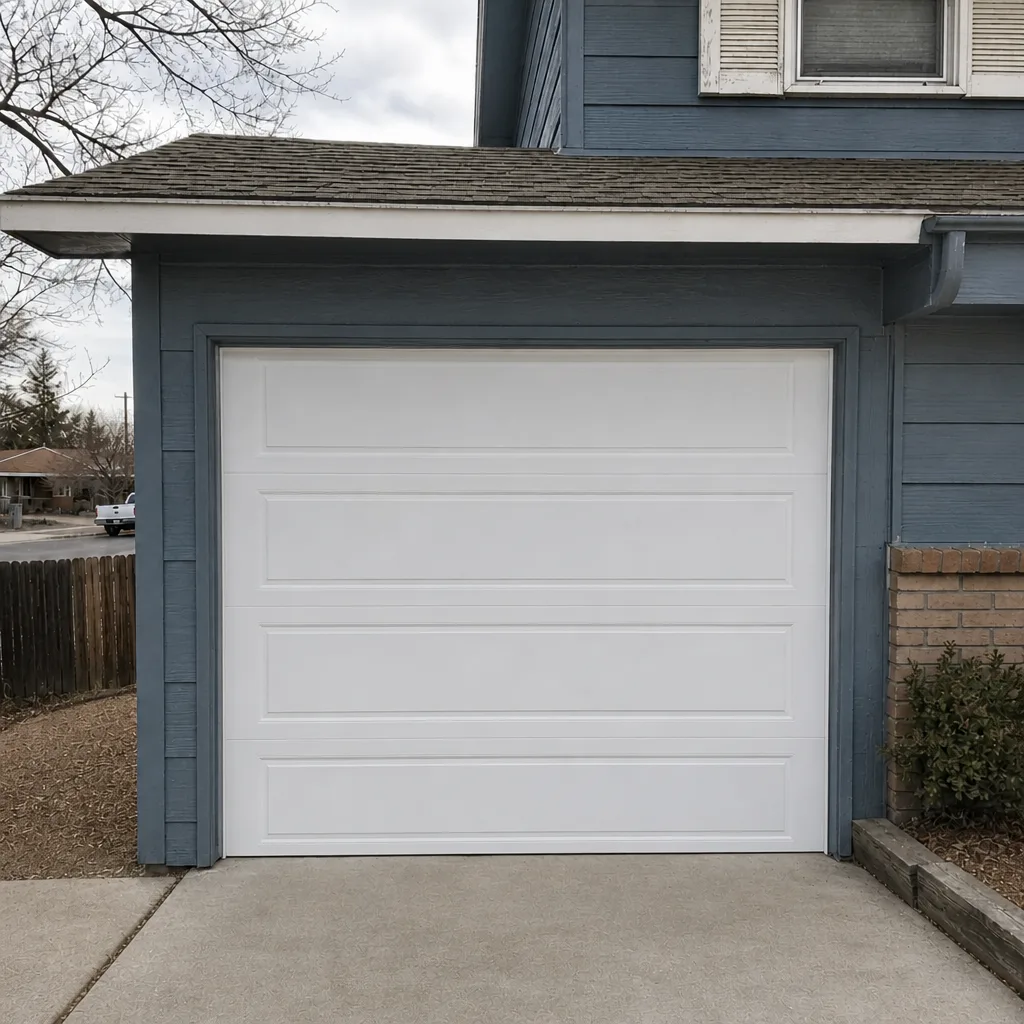
See the difference
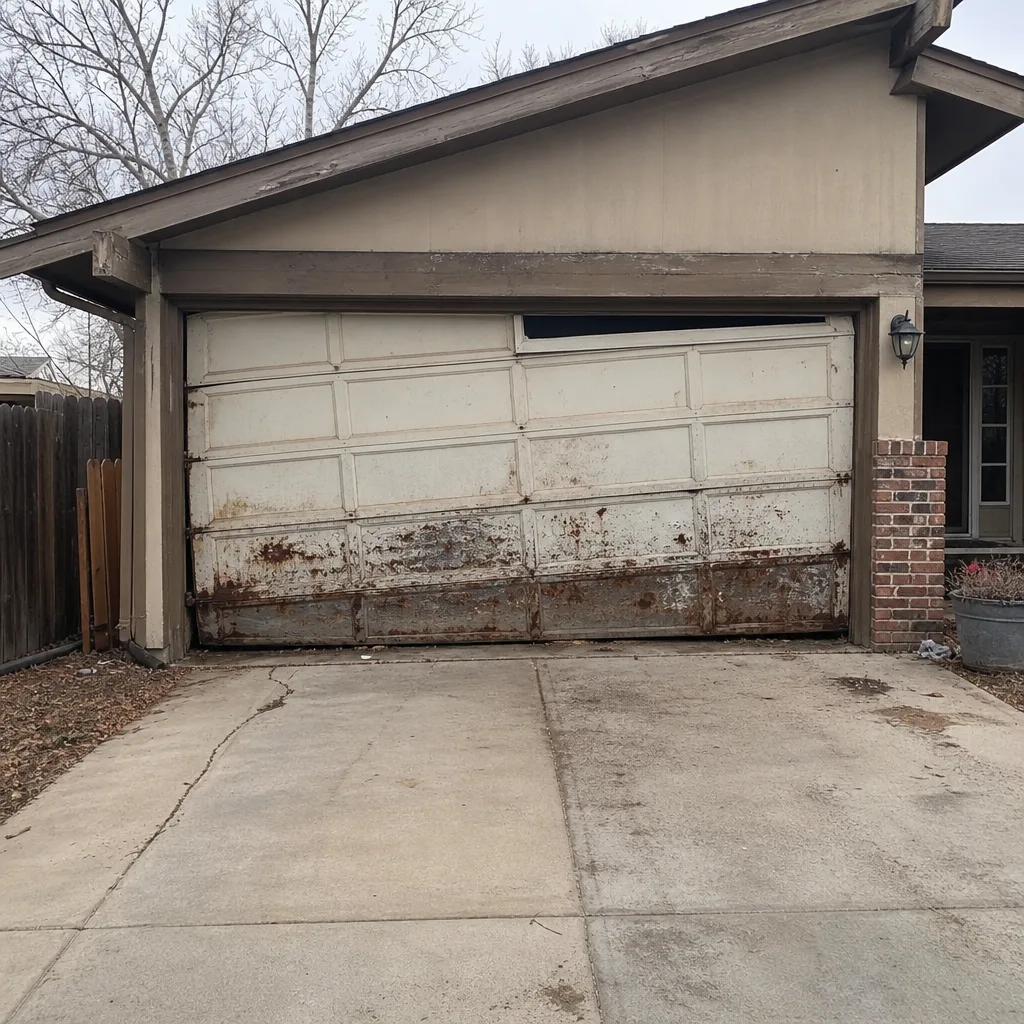 Before
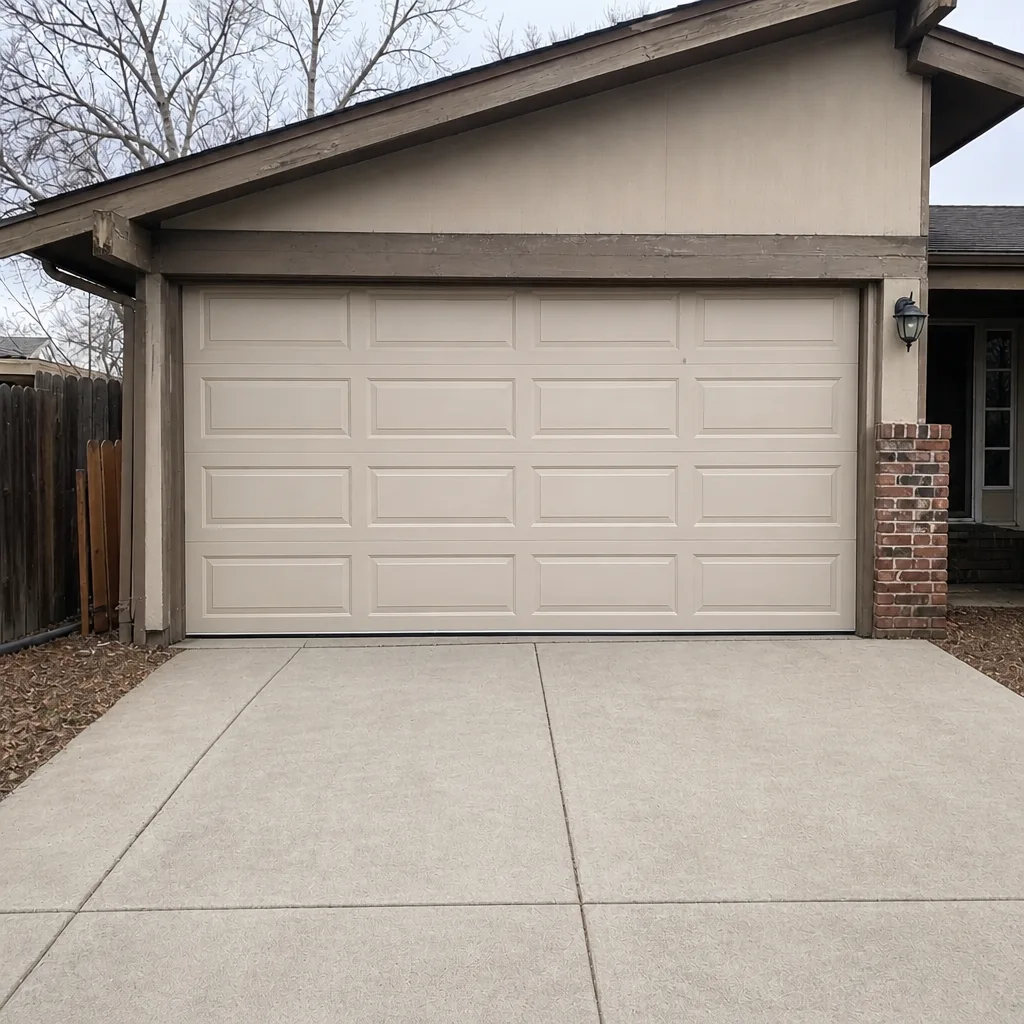 After
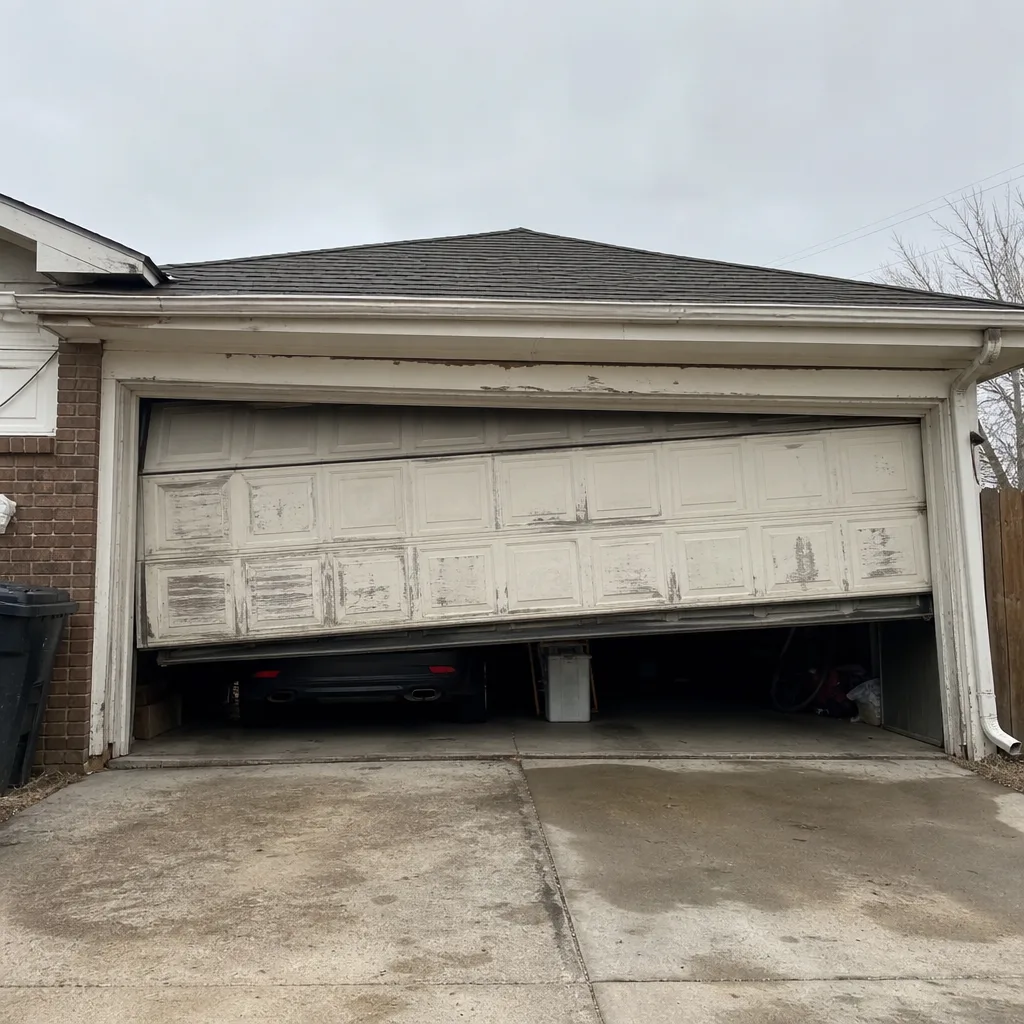 Before
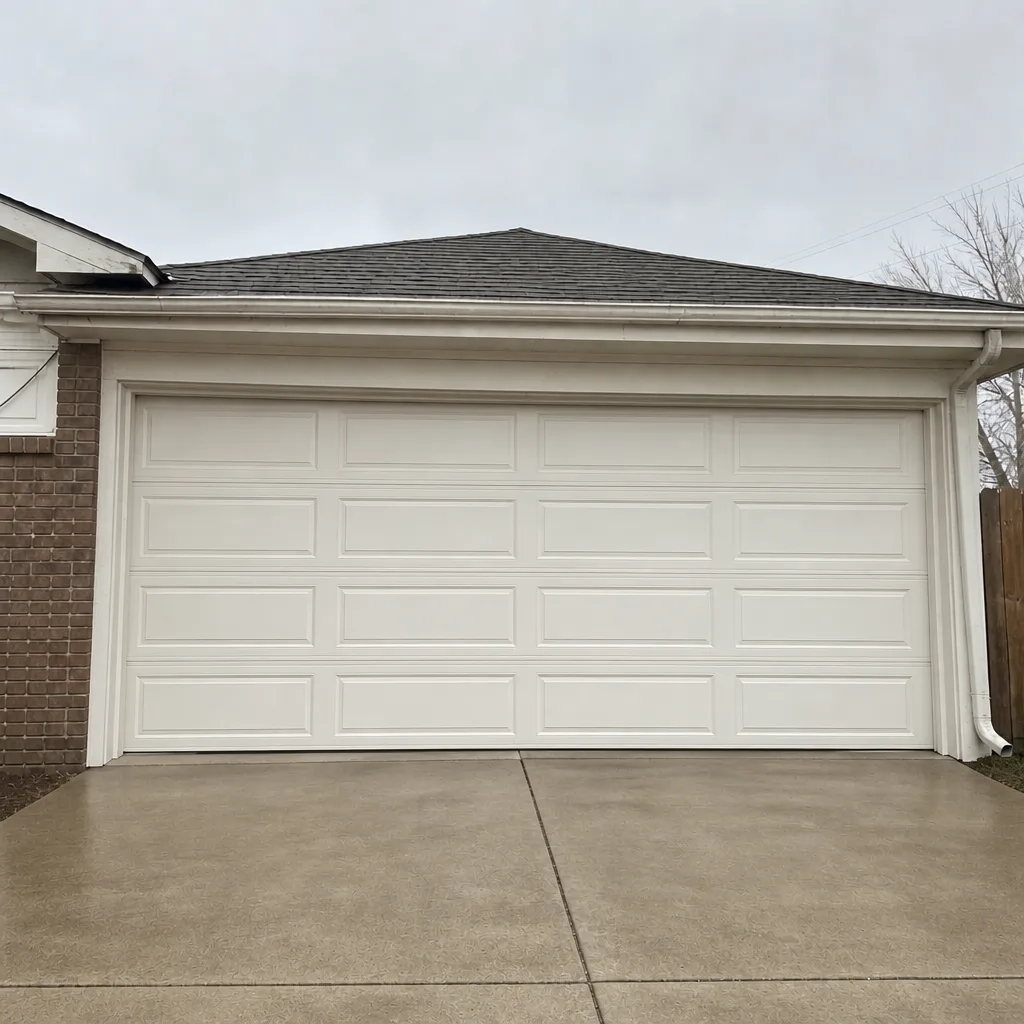 After
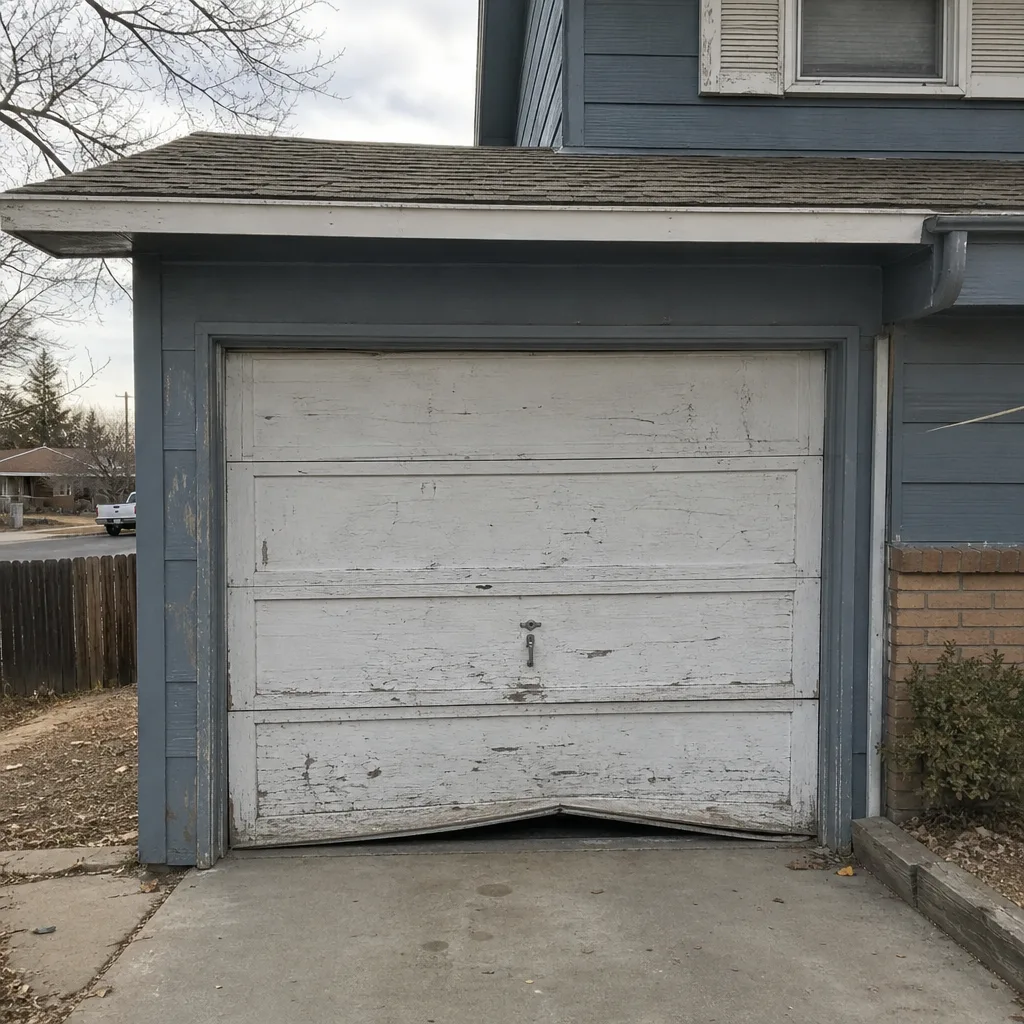 Before
 After
When to Call a Professional
Watch the door for a week, run the 60-second safety check, and listen. If anything on that checklist scores a Tier 2 or above, that’s the moment to call. The failures we see most often – a snapped spring, a frayed cable, a door that won’t reverse – all started as a slow door, a squeak, or a visible kink that got ignored. So call at the first sign, describe what you see and hear, and we’ll tell you straight whether it’s worth a visit or just a note for later. No pressure and no guessing.
Brighton Garage Door Repair Co offers free estimates in Brighton – call (866) 754-4750. We handle everything from a single noisy roller to a full new installation, and we service every major brand from LiftMaster and Chamberlain to Clopay, Amarr, Wayne Dalton, Craftsman, Genie, and Raynor. One call handles it.
Frequently Asked Questions
A frayed or kinked cable, followed closely by a snapped spring. Both can cause the door to drop hard and fast, and a cable can go from “fuzzy” to “snapped” without warning. If you see either, stop using the door and call a professional before opening or closing it again.
No. Torsion springs are stored under enough tension to cause serious injury, and extension springs can whip if they break during removal. This is the one repair in the whole system where we tell every homeowner the same thing: call a professional. The tools and safety protocol matter more here than anywhere else on the door.
Watch for three patterns: hesitation at start or mid-travel, uncommanded reversals, or a remote that only works at short range. Hesitation usually points to the door itself (spring balance, rollers, track), while short-range remote issues are usually the remote or antenna. Uncommanded reversals are a safety system problem – that’s the one to prioritize.
Not always. In cold Brighton mornings, a mild slowdown that clears up once the day warms is usually normal – the springs and lubricant are cold. If the slowdown persists into the afternoon, or gets worse week by week, the spring balance is drifting and it’s worth booking.
Not without us telling you first. We quote and agree the written estimate before any work starts, so you’re approving a number, not finding it out at the end. If we find something on the job that changes the picture, we stop and talk to you before touching it.
The local pro we connect you with is licensed and insured as Colorado requires for the work, and our technicians have up to 13 years of experience on residential garage doors. We service all eight major brands – LiftMaster, Chamberlain, Genie, Clopay, Amarr, Wayne Dalton, Craftsman, and Raynor – so whatever’s on your door, they’ve worked on it before. Call (866) 754-4750 for a free estimate.
The Bottom Line
Garage doors almost always warn you before they fail. The trick is knowing which warning is a watch-it and which is a stop-using-it-now. A faint squeak in cold weather is a monitor. A door that hesitates for a week is a schedule. A frayed cable, a snapped spring, a bowed panel, or a door that won’t reverse is a stop. Run the 60-second safety check before you trust the door for the day, listen for the sound patterns in this guide, and act on what you find. That’s the whole system, and it works in Brighton as well as anywhere.
Whatever brand is on your door – Clopay, Amarr, Wayne Dalton, Craftsman, or any of the others we work on – one call handles the diagnosis, the repair, and the install if it comes to that. For a service page, opener repair, or full replacement, start with garage door opener repair if the opener’s the culprit or call us directly. Brighton Garage Door Repair Co is here for the whole lifecycle of the door, and the estimate is free. (866) 754-4750.
Written by the team at Brighton Garage Door Repair Co.