Last updated November 23, 2026
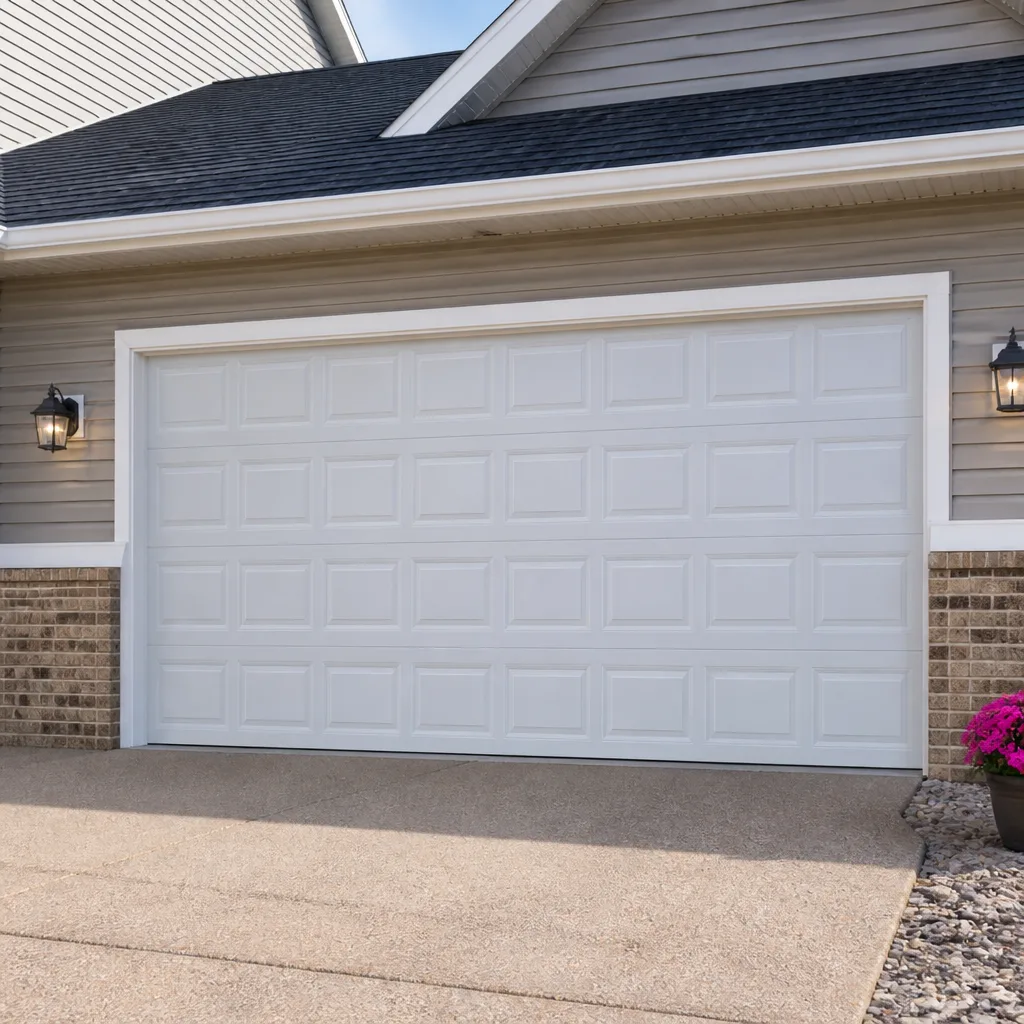 Raised-panel steel
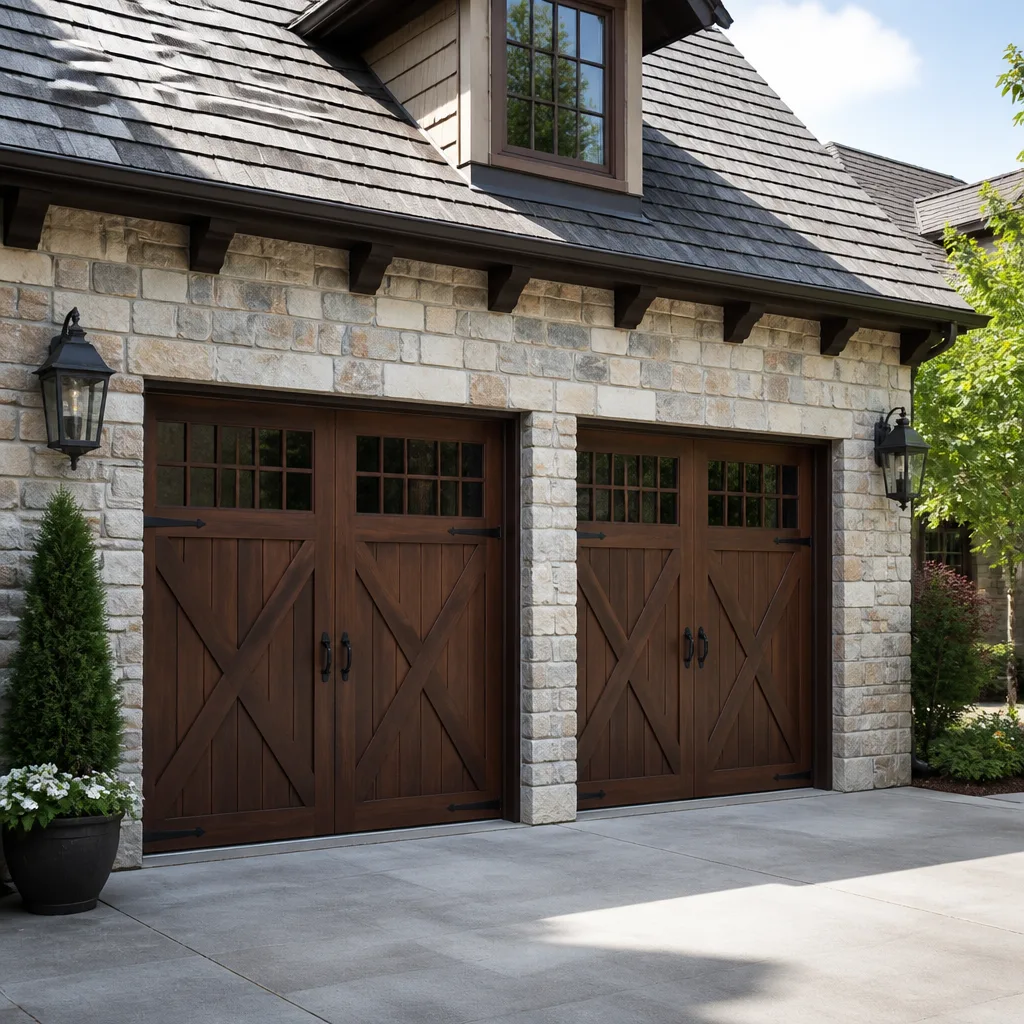 Carriage house
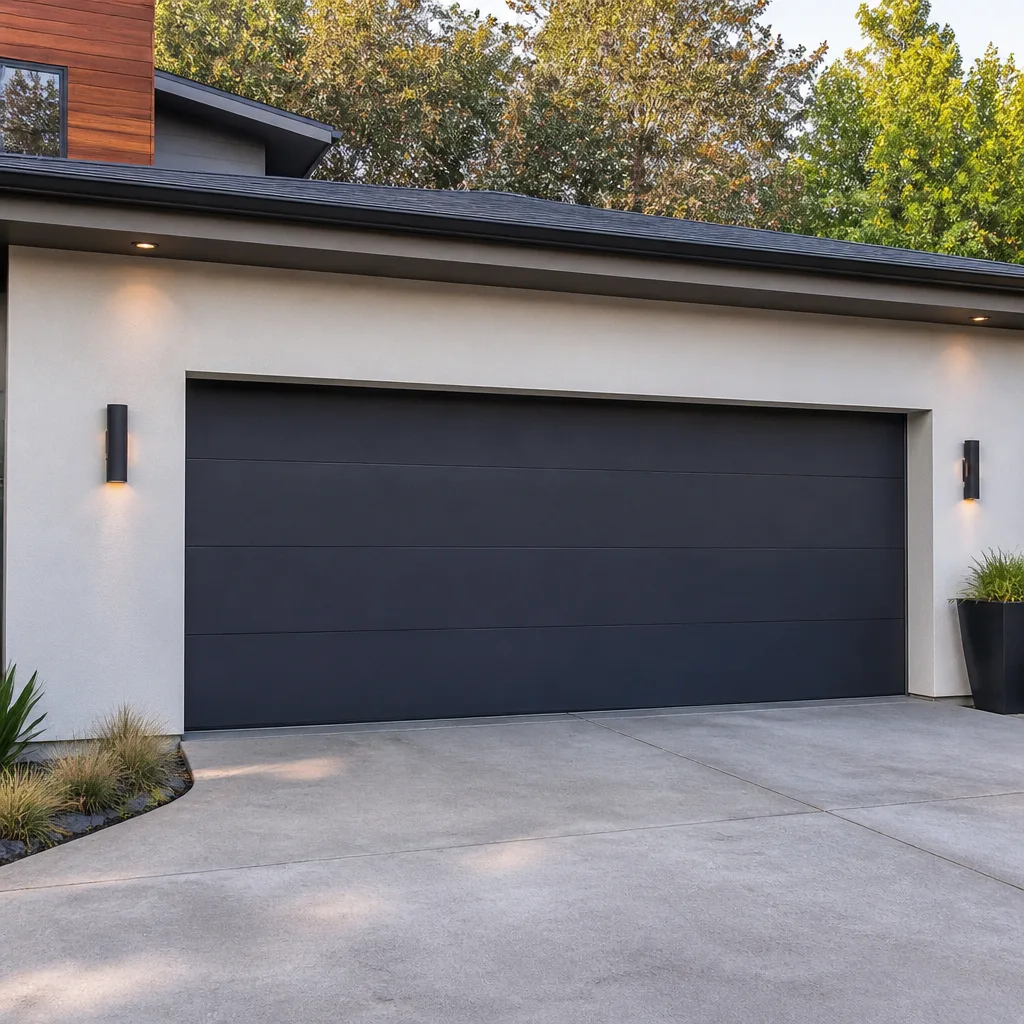 Modern flush
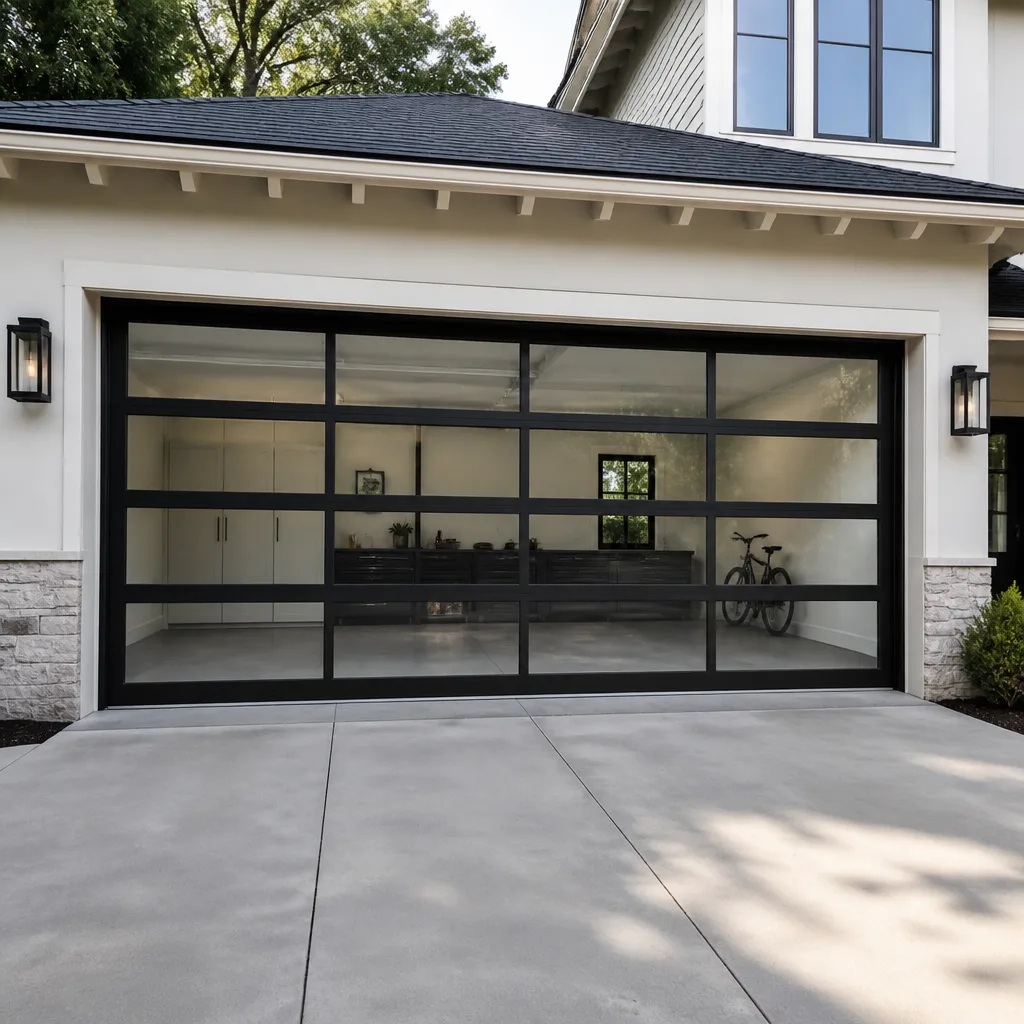 Full-view glass
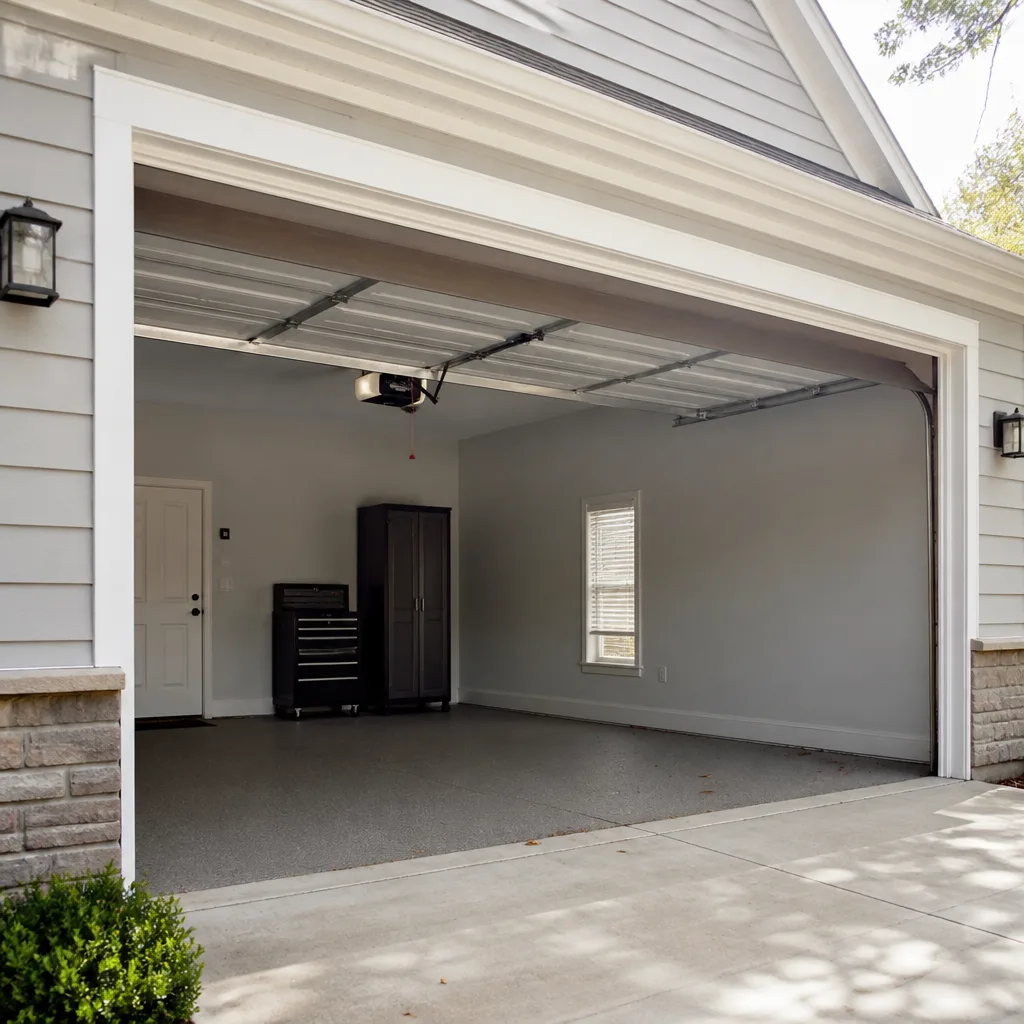 LiftMaster openers
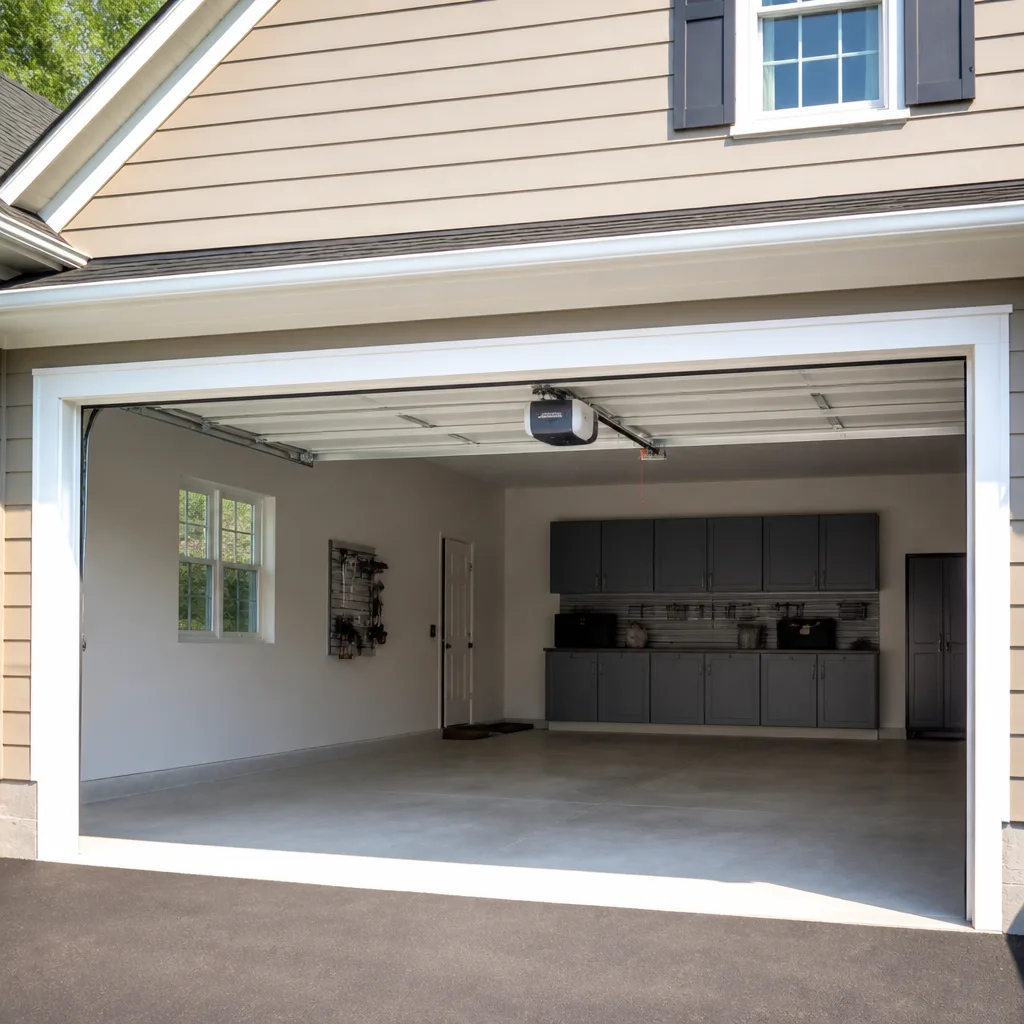 Chamberlain openers
Full 25-point door and opener safety check with every visit - springs, cables, rollers, tracks, and your LiftMaster or Chamberlain opener included
You get a price before we start. It does not change when the pro arrives.
Get your free estimateChoosing the Right Garage Door Brand: A Buyer’s Guide for Brighton
Most homeowners in Brighton shop for a garage door by comparing logos. They pull up three manufacturer sites, read the marketing language, and try to decide which name sounds stronger. That’s the wrong starting point. A south-facing garage door in Brighton gets direct sun for most of the year at high elevation, and a door engineered for deep Minnesota winters is often overbuilt on cold resistance while underbuilt on UV and thermal cycling. No brand advertisement tells you that. What matters far more than the name on the box is how the door is configured for your specific garage: its orientation, insulation, steel gauge, and spring system. This guide walks through the variables that actually affect performance here, compares the brands that matter in the Brighton market on specs rather than slogans, and explains which warranty terms you should read closely before you sign.
Quick Answer
For most Brighton homes, the right garage door brand is the one whose product line lets you match insulation R-value, steel gauge, and spring system to your garage’s orientation and sun exposure. Clopay, CHI, Wayne Dalton, and Amarr all make doors that perform well in Brighton when they’re properly specified. The brand matters less than whether the door is built for a high-altitude Colorado climate and installed correctly.
Styles & brands we work with
- Raised-panel steel
- Carriage house
- Modern flush
- Full-view glass
- LiftMaster openers
- Chamberlain openers
Table of Contents
- Why Brand Comes After Configuration
- The Four Criteria That Matter in Brighton
- How the Major Brands Compare on Brighton-Relevant Specs
- Steel Gauge and Insulation Type: The Specs That Change Everything
- Why Garage Orientation Should Drive Your Decision
- Warranty Terms That Actually Differ Between Brands
- What Professional Installation Preserves
- Common Mistakes to Avoid
Why Brand Comes After Configuration
Garage door manufacturing is a mature industry. Most of the major brands have been building doors for decades, and the differences between a mid-grade Clopay and a comparable Amarr are smaller than the differences between two configurations of the same model. What separates a door that lasts twenty years in Brighton from one that fails in eight is almost always the specification: how thick the steel is, how the insulation is constructed, whether the spring system is torsion or extension, and whether the panel faces your sun exposure.
Think about it this way. Two houses on the same street in Brighton can have doors from the same manufacturer. One faces north under a shade tree; the other faces south with a wide driveway and no shade. The south-facing door will see dramatically more thermal cycling over its life. It expands and contracts daily, and the insulation, panel coating, and spring system have to be specified to handle that. Same brand. Very different demands.
When we evaluate a door for a Brighton home, we start with four questions before we ever open a manufacturer catalog:
- Which direction does the garage face, and how many hours of direct sun does the door get?
- Is the garage attached, and is it conditioned or unconditioned?
- What’s the typical wind load, and does the door need reinforcement?
- What insulation value does the room above or beside the garage actually require?
Only after those answers do brand and model come into the conversation. When we do a garage door installation, that order never changes. Get the configuration right and the brand will perform. Get it wrong and you can buy the most expensive door on the market and still struggle.
The Four Criteria That Matter in Brighton
Garage doors are sold nationally on a handful of marketing points. Locally, four design specs do most of the real work. Here’s what to weigh and why each one matters for a Brighton garage.
1. UV Resistance
Brighton sits at high elevation, roughly a mile up, where UV intensity is noticeably stronger than at sea level. Paint finishes, plastic trim, and window inserts all take more UV punishment here. A door with a UV-stabilized factory finish on a properly prepped steel substrate will hold its color far longer than one with a thin paint layer. Look for a finish that’s applied at the factory in a controlled process rather than touched up in the field.
2. Insulation R-Value
Colorado’s climate zone calls for real insulation value on an attached garage door, especially if a bedroom sits above the garage. The R-value number on the label matters, but how the insulation is bonded to the panels matters just as much. A door rated at a high R-value that isn’t bonded properly will lose efficiency at the seams as it cycles through temperature swings.
3. Steel Gauge
Steel gauge is measured inversely: a lower number means thicker steel. A 24-gauge panel is heavier and more dent-resistant than a 27-gauge panel. For a Brighton driveway where kids play, bikes get wheeled in and out, and the door faces sun and wind, the thicker steel is usually the right call.
4. Spring System Type
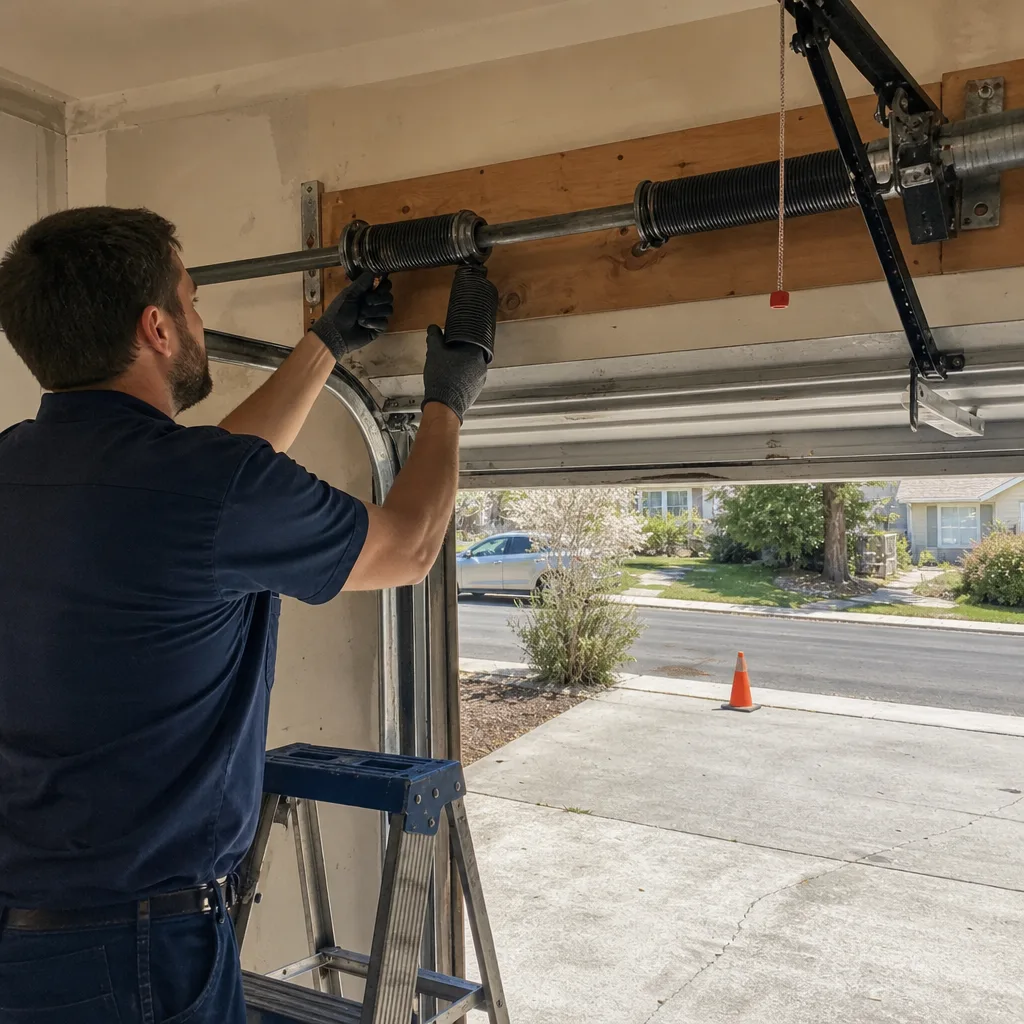
Most modern doors use a torsion spring system mounted on a shaft above the door rather than the older extension springs on the sides. Torsion systems run quieter, balance better, and last longer when sized correctly. Spring sizing depends on the door’s weight, which depends on its gauge and insulation, which is why brand selection is downstream of configuration. If you’re already replacing springs, we handle that through garage door spring repair.
How the Major Brands Compare on Brighton-Relevant Specs
Four brands show up most often on driveways across Brighton: Clopay, CHI, Wayne Dalton, and Amarr. We work with all of them, plus LiftMaster, Chamberlain, Genie, Craftsman, and Raynor on the opener side. Here’s an honest comparison on the specs that matter most here.
Clopay
Clopay’s residential line is deep, and it’s the brand we see most on newer Brighton builds. Their premium insulated doors use polyurethane cores with high published R-values, and their steel gauge options run from heavy residential down to lighter builder-grade. Clopay is a good fit when you want a specific look, like a carriage-house panel style, paired with real insulation.
CHI
CHI builds doors with a strong reputation for factory finish quality and panel construction. Their insulated models are solid performers in high-sun orientations. Like any brand, the entry-level line cuts corners on gauge and insulation thickness, so the model you pick matters more than the CHI badge.
Wayne Dalton
Wayne Dalton offers a broad range from basic stamped-steel doors to insulated and carriage-style models. Their Thermospan line is worth looking at for attached garages that need real thermal performance. On the opener side, Wayne Dalton’s older integrated systems are one of the reasons we get so many calls for garage door opener repair on houses of a certain age.
Amarr
Amarr’s residential line is competitive on finish and insulation, with several models built for climates that see real temperature swings. Their Classica and Heritage lines are common choices for Brighton homeowners who want a panel design that doesn’t look builder-standard. Ask about the steel gauge on the specific model before comparing price.
A note on national marketing
Every one of these brands markets its flagship door against the others in a way that makes the flagship look best. That’s advertising, not specification. Compare the specific models on gauge, insulation type, R-value, and factory finish, and you’ll make a better decision than any brand comparison chart from a manufacturer site.
Steel Gauge and Insulation Type: The Specs That Change Everything
If you remember one section of this guide, make it this one. For most Brighton applications, the steel gauge and the insulation construction of your door will affect your daily experience more than the brand name on the hinge.
Steel gauge, in plain terms
- 27-gauge: Light residential. Common on builder-grade doors. Dents easily and is more prone to panel warp under heat.
- 25-gauge: The mid-grade standard for most quality residential doors. A reasonable balance of weight, durability, and cost.
- 24-gauge: Heavier steel. Noticeably more resistant to impact and better at holding shape through thermal cycling. Worth it on a south-facing door in Brighton.
Lower gauge numbers mean thicker steel. When you compare two doors priced within a few hundred dollars of each other, check the gauge first. A price difference is often explained entirely by steel thickness.
Polyurethane versus polystyrene insulation
Insulated doors use one of two fill materials. Polystyrene is a foam board cut to fit the panel cavities. It’s cheaper and lighter but doesn’t bond to the steel, so it can shift and lose efficiency at the seams over time. Polyurethane is injected as a liquid, cures in place, and bonds directly to both steel skins. That bonding is why a polyurethane door holds its insulation value through years of expansion and contraction.
For an attached garage in Brighton with a conditioned room above, polyurethane is almost always worth the upgrade. For a detached, unconditioned garage door, the difference is less dramatic and polystyrene may be a fine choice if the rest of the door is well-specified.
Why this matters for spring system design
Thicker steel and a polyurethane core make a door heavier. Heavier doors need properly sized torsion springs. If you upgrade to a 24-gauge polyurethane door, the springs have to be matched to that weight. This is one of the reasons we service all the way through the mechanical side of the trade, not just the electronic side. The configuration choices you make on gauge and insulation cascade directly into the spring system, and a door that outruns its springs is a door that’s going to need service sooner than it should. Whatever brand is on your door, we know it.
Why Garage Orientation Should Drive Your Decision
Before you compare a single brand, figure out which way your garage faces. In Brighton, the sun load difference between a south-facing and a north-facing garage is pronounced enough to change the right specification.
South and west-facing garages
These doors take the strongest daily sun in Brighton and see the largest thermal swings. On a high-elevation south-facing door, a dark-colored door can get hot enough to stress the paint and warp a light-gauge panel. Recommendations for this orientation:
- Choose a lighter color or a factory finish rated for high UV exposure.
- Step up to 24 or 25-gauge steel; light gauge warps more readily under heat.
- Use polyurethane insulation so the core stays bonded through thermal cycling.
- Consider a window row carefully. Window inserts and aluminum frames see extra UV wear and should be specified accordingly.
North-facing garages
These are the easiest doors in Brighton to spec. Less sun means less thermal stress and slower finish degradation. You can reasonably choose a mid-grade 25-gauge door with polystyrene insulation if the garage is detached and unconditioned.
East-facing garages
Morning sun, afternoon shade. A middle case. A 25-gauge door with polyurethane insulation is a solid default for an attached garage.
Attached versus detached
Attached garages affect the thermal envelope of the house. If you have a room above the garage or a bedroom sharing a wall, the R-value of the door is a meaningful number, and spec’ing it well pays back over the life of the house. A detached, unconditioned garage in Brighton is less sensitive to insulation choice, so you can spend the budget on steel gauge and finish instead. If you’re planning a new door and want to talk through orientation for your specific house, we’ve done this enough on Brighton driveways to give you a straight answer.
Warranty Terms That Actually Differ Between Brands
Warranty terms look similar in a brochure. In practice, they differ on three things that matter: what’s covered, how long each component is covered, and whether professional installation is required for the warranty to remain valid.
What’s typically covered
- Steel sections: Usually the longest coverage, often against rust-through or delamination, but only if properly finished.
- Insulation core: Coverage varies widely. Some brands warrant the core against delamination for the life of the door; others warranty it for a shorter period.
- Hardware: Hinges, rollers, and track often carry a shorter warranty than the sections. Springs are almost always treated separately.
- Factory finish: Coverage against peeling or fading varies. This is where UV exposure in Brighton becomes relevant, so read the exclusions about finish fading.
Professional installation requirements
Most manufacturers state that the warranty is valid only if the door is installed by a qualified, trained professional following the manufacturer’s installation instructions. Some brands are explicit about this in the warranty text; others bury it. If a warranty requires professional installation and you install it yourself, you may forfeit the coverage on the most expensive components. That’s a real consideration when you’re comparing the price of a door to the price of a door plus installation. When a door is beyond repair, we handle the full replacement through our garage door repair and installation team so the warranty stays intact.
Spring warranty specifics
Springs are wear items. Even brands that warrant the door for life typically warrant springs for a shorter term because they cycle under load every time you open the door. Ask about the spring warranty separately, and ask what cycle life the spring is rated for. This is also a good moment to mention: never attempt a spring repair yourself. Springs are under extreme tension and can cause serious injury. Our technicians have up to 13 years of experience with this work and bring the right tools.
What Professional Installation Preserves
Configuration choices only pay off if the door is installed to the manufacturer’s specification. A premium 24-gauge polyurethane door installed with a mis-sized spring or a poorly leveled track will underperform a lesser door installed correctly. Here’s what proper installation protects.
- Warranty validity. Most factory warranties require professional installation. A qualified installer documents the install, and that documentation stays with the door’s warranty record.
- Spring sizing. The installer confirms the door’s weight and matches the springs to it. A mis-sized spring will shorten the life of the whole opener and the door.
- Track alignment and balance. A door that isn’t balanced puts extra strain on the opener. Most opener failures we see trace back to a door that was running out of balance for months before the opener finally gave out.
- Weather seal integrity. The bottom seal, side jambs, and top trim need to align so wind-driven rain and cold air stay outside.
- Opener integration. On new installs we match the opener to the door’s weight and tune the force settings. If your existing opener needs attention after the new door goes in, we cover that with the same call.
From a broken spring to a full new installation, one call handles it. If you’re starting from a jammed or broken door rather than a planned replacement, our first move is to get you safe. Then we talk through the door options when you’re ready.
Common Mistakes to Avoid
- Choosing by brand before orientation. A north-facing garage and a south-facing garage in Brighton need different doors, full stop. Start with the direction the door faces and how much sun it gets, then look at brands.
- Comparing entry-level models between brands. Every manufacturer has a builder-grade line. Comparing the entry line of one brand against the premium line of another tells you nothing useful. Compare tier to tier.
- Ignoring steel gauge. Two doors that look identical in a showroom can be a 24-gauge and a 27-gauge. Ask the gauge on every model you’re considering.
- Assuming polyurethane is overkill. On an attached garage in Brighton with a conditioned room above, polyurethane insulation is a meaningful upgrade. It’s often the single highest-impact choice in the whole purchase.
- Skipping the warranty fine print. Warranty coverage for springs, insulation cores, and factory finish varies more than the headline terms suggest. Read the exclusions, especially regarding UV fading.
- Attempting a DIY spring repair. This is the one mistake that can cause real injury. Springs are under extreme tension even when the door is closed. Always call a professional for spring work.
- Not having the opener checked at the same time as the door. A new door with an old, tired opener will wear both out faster. Have the whole system looked at together.
When to Call a Professional
Call a professional when the door won’t close all the way, when you hear a snap from the spring assembly, when the door comes down hard or slams, when the opener runs but the door doesn’t move, or when the door has gone off its track. Those are all signs the system needs hands-on attention rather than another cycle of the remote to see if it’ll resolve. A stuck door in Brighton is also a security issue if it stays open, and our emergency garage door service exists for exactly those calls. Skip the brand comparison entirely and have someone look at the problem first; you may not need a new door at all. Brighton Garage Door Repair Co offers free estimates in Brighton. Call (866) 754-4750 to get on the schedule, and we’ll walk through the specs with you when the time comes.
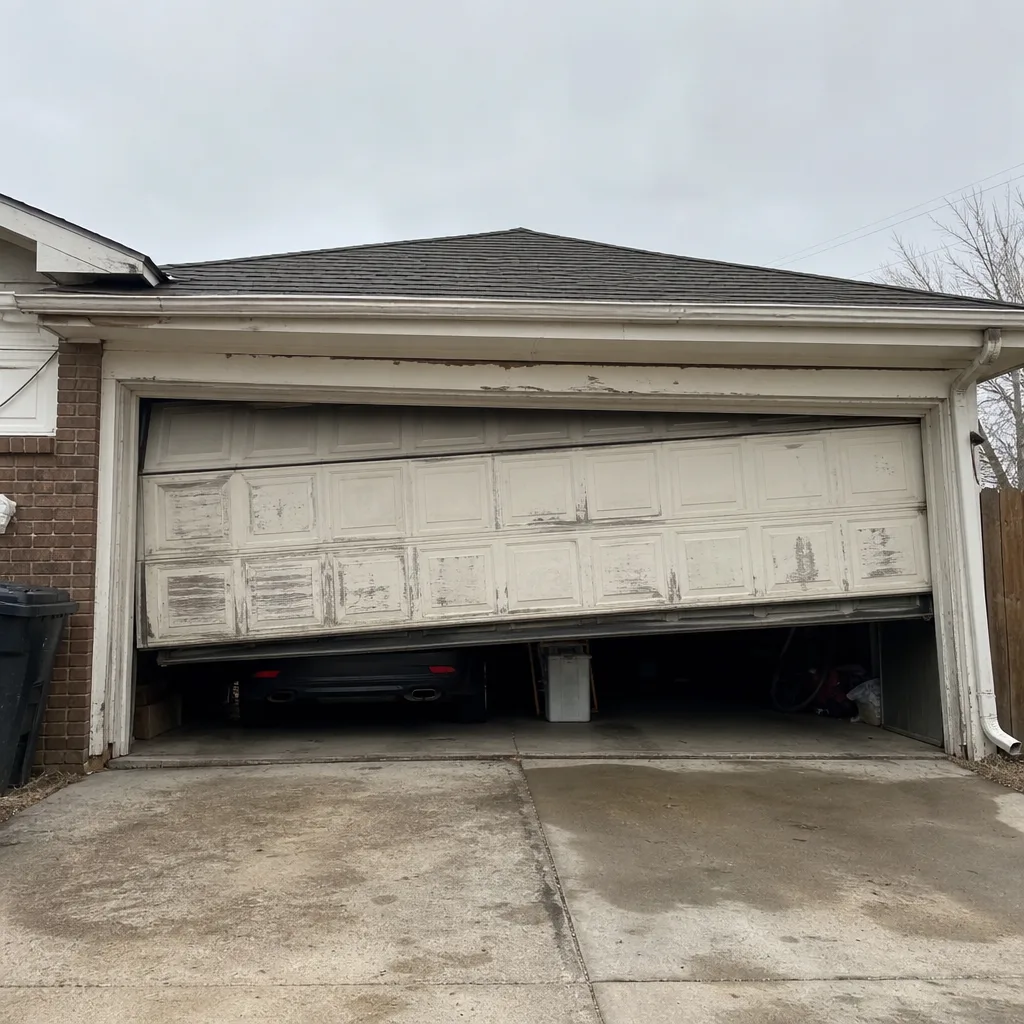
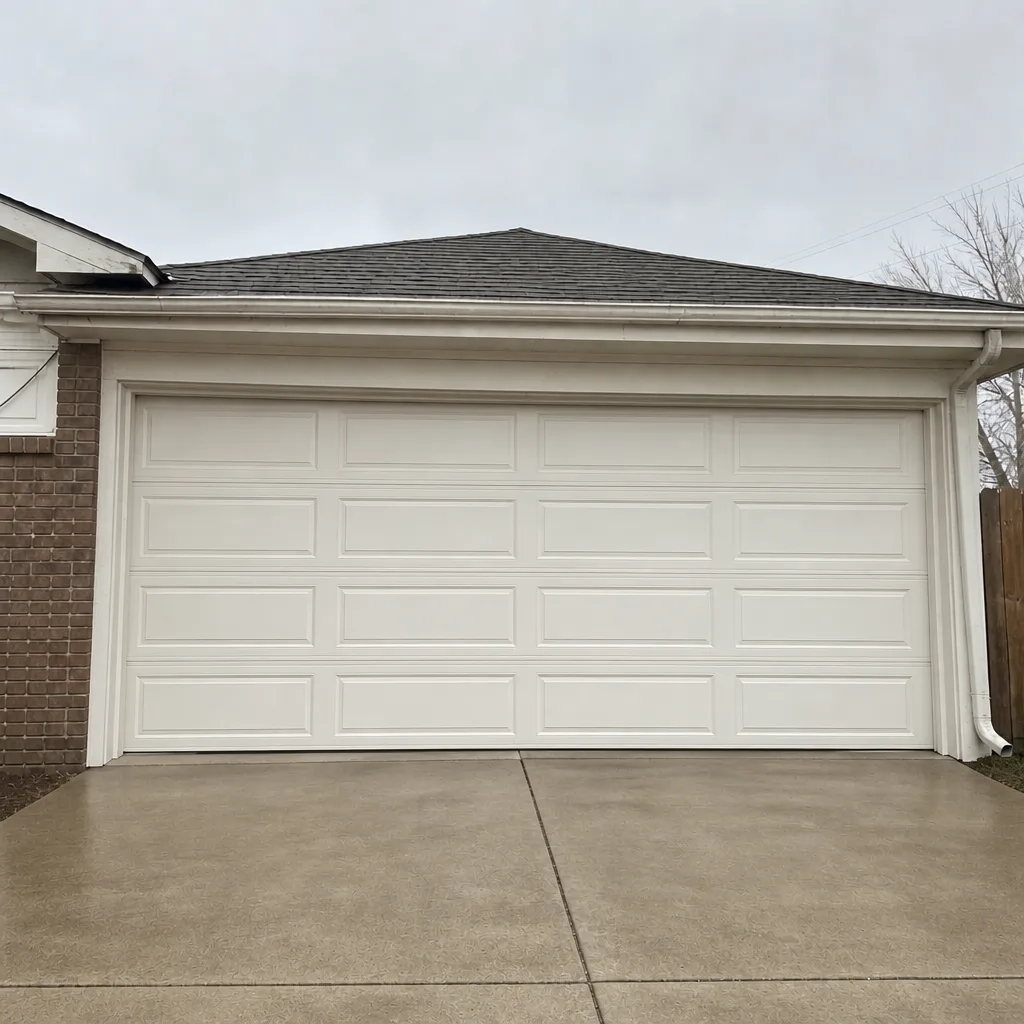
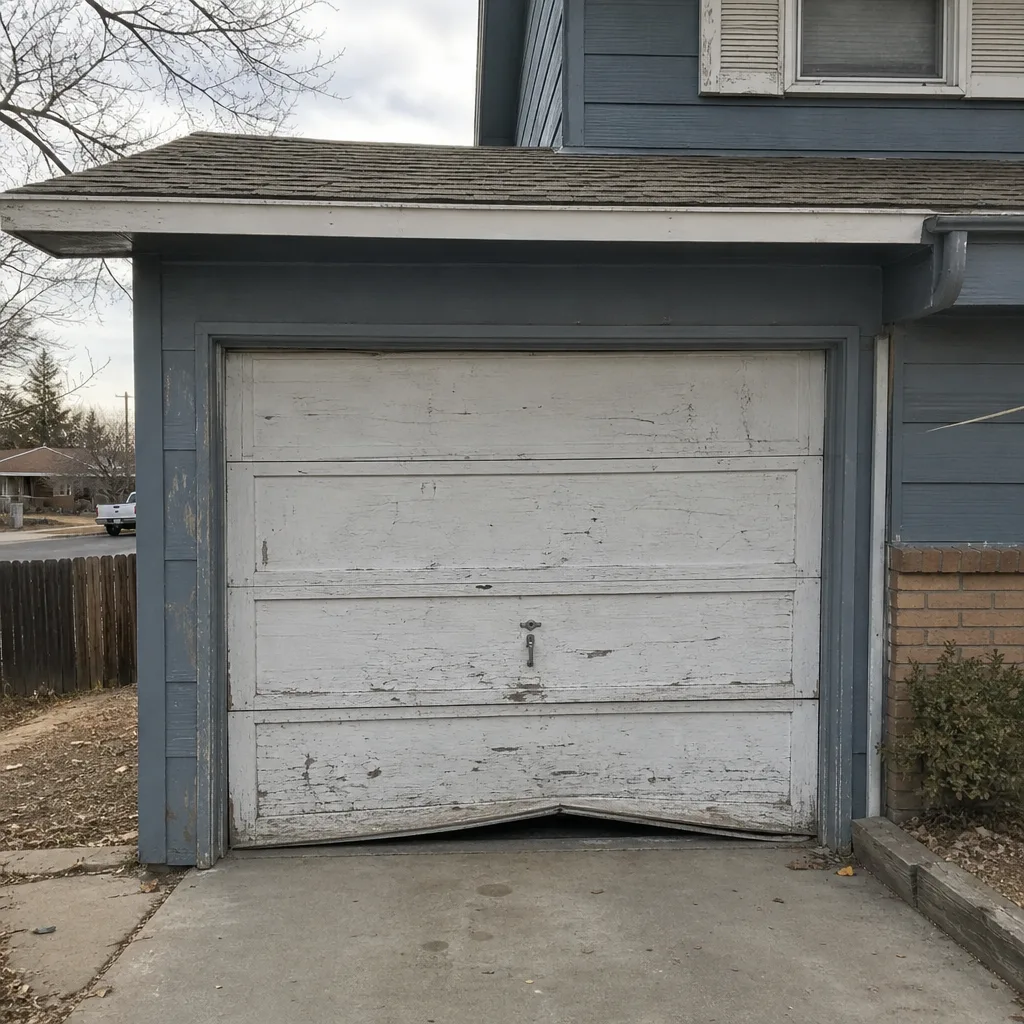
See the difference
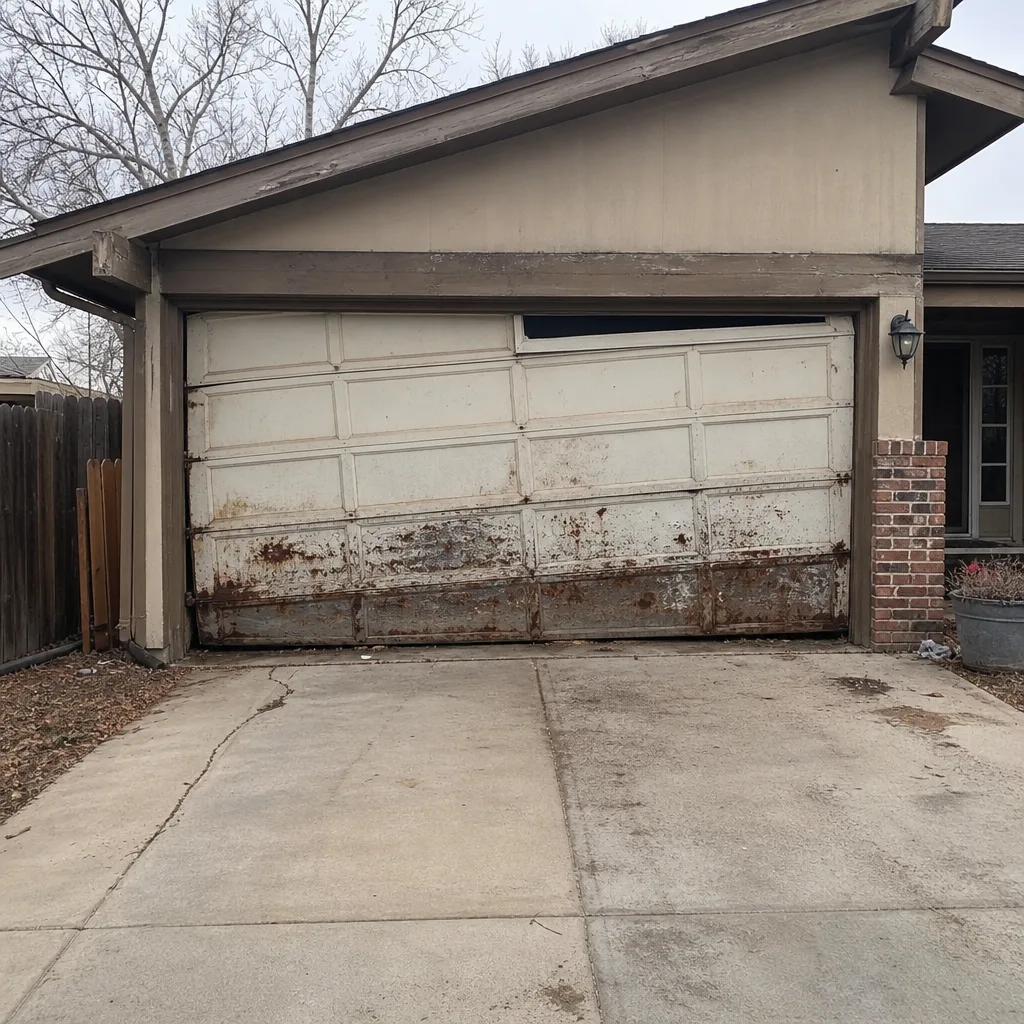 Before
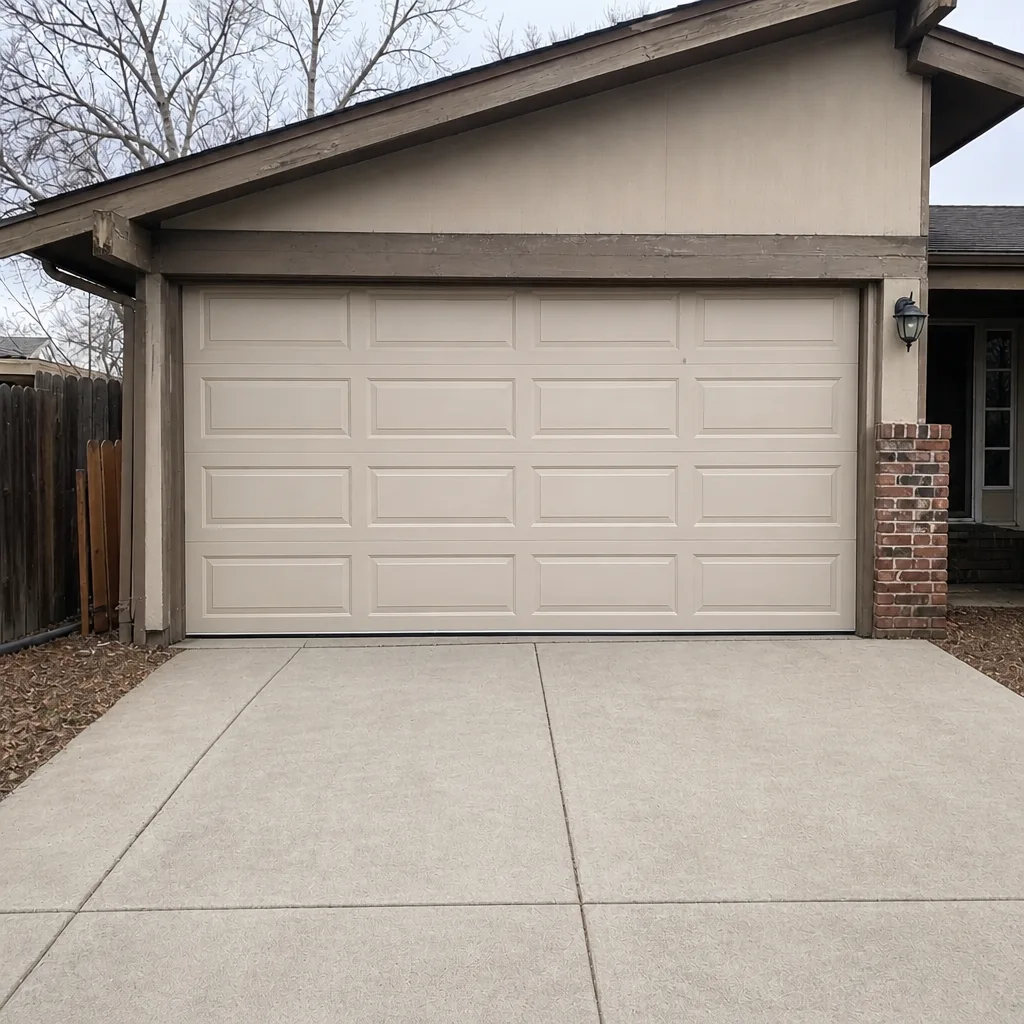 After
 Before
 After
 Before
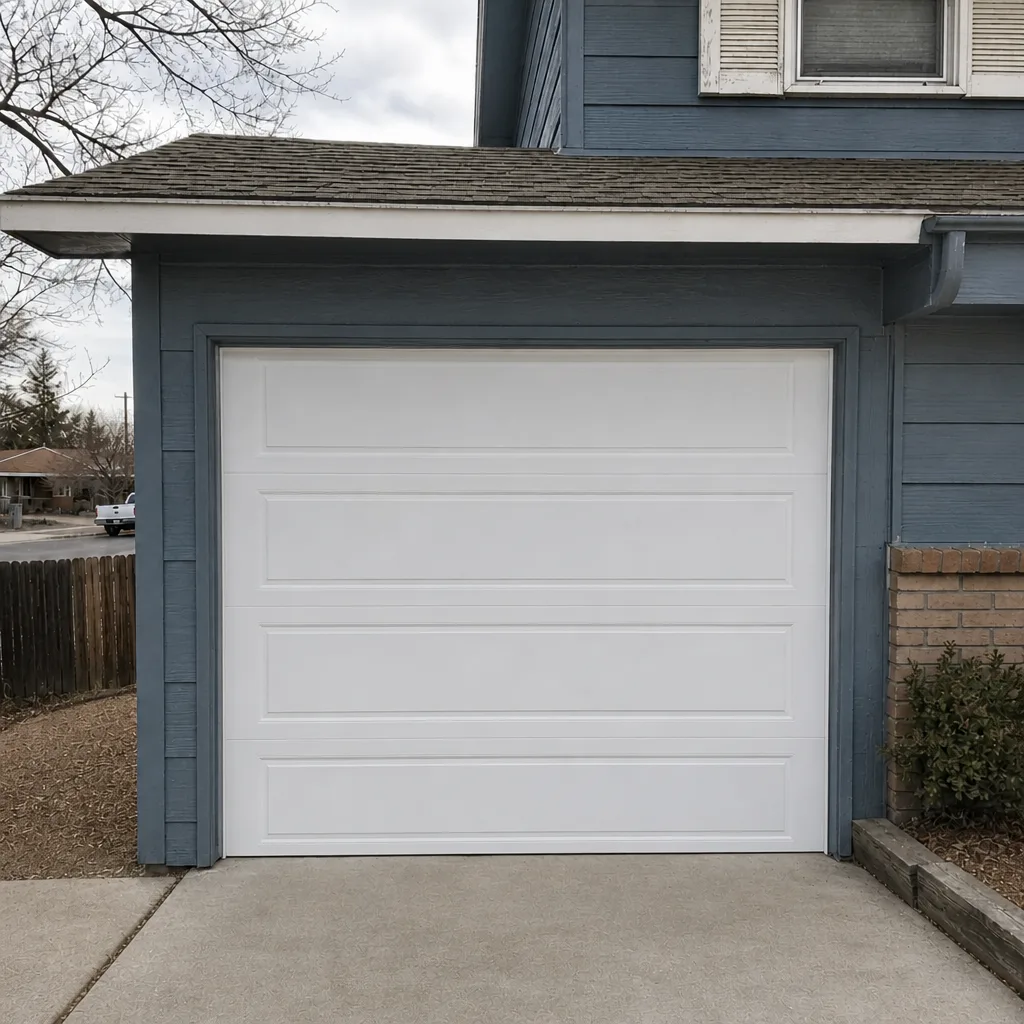 After
Frequently Asked Questions
There isn’t one best brand for Brighton; the right brand is the one whose product line gives you 24 to 25-gauge steel, polyurethane insulation, and a torsion spring system matched to your garage’s orientation and sun exposure. Clopay, CHI, Wayne Dalton, and Amarr all make doors that perform well here when specified correctly. Compare models on specs, not brand reputation.
Brand matters much less than configuration. The gauge of the steel, the type of insulation, the spring system design, and the factory finish will affect how long your door lasts and how well it performs far more than the logo on the hinge. That said, some brands have better factory-finish quality and stronger warranty terms than others, so brand should be a tiebreaker, not the starting point.
For an attached garage in Brighton, yes. Polyurethane bonds to the steel and holds its R-value through the temperature swings we see here. For a detached, unconditioned garage, the difference is smaller and polystyrene may be fine. It depends on whether the garage is part of your home’s thermal envelope.
25-gauge is the mid-grade standard and reasonable for most applications. If your door faces south or west and gets extended sun, step up to 24-gauge for more resistance to warping and impact. Light 27-gauge doors are common on builder-grade installs and are more susceptible to dents and thermal warp.
Prices vary by door model, gauge, insulation, size, and whether the opener and tracks are being replaced at the same time. A written estimate from a local professional is the only number that matters for your specific house. We provide free estimates in Brighton, so call (866) 754-4750 and we’ll price the exact configuration you choose.
Yes. We work with LiftMaster, Chamberlain, Genie, Clopay, Amarr, Wayne Dalton, Craftsman, and Raynor, and we service both the mechanical side (springs, panels, tracks) and the electronic side (openers, sensors, remotes). Whatever brand is on your door, we know it. If you’re not sure what you have, take a photo of the door and opener label and call (866) 754-4750.
The Bottom Line
Choosing a garage door for a Brighton home comes down to configuration before brand. Start with the direction your garage faces and how much direct sun the door takes. Then compare steel gauge, insulation type, and spring system design across the models you’re considering. Brands like Clopay, CHI, Wayne Dalton, and Amarr all make doors that can perform well here; the brand badge will not rescue a door that’s specified wrong for its orientation. Read the warranty terms, especially around professional installation and finish fading, because that’s where real coverage differences hide. When you’re ready to compare specific configurations for your house, or need repair work on the door you already have, one call handles it.
Ready to Compare Configurations for Your Brighton Home?
Whether you’re narrowing down a replacement door or your current door has stopped cooperating, we’re here to help. From opener repair on a LiftMaster or Chamberlain system to a full new installation, our technicians have up to 13 years of experience and can walk you through the specs for your exact garage. Visit Brighton Garage Door Repair Co to see the full service range. Call (866) 754-4750 today for a free estimate.
Written by the team at Brighton Garage Door Repair Co.