Last updated November 23, 2026
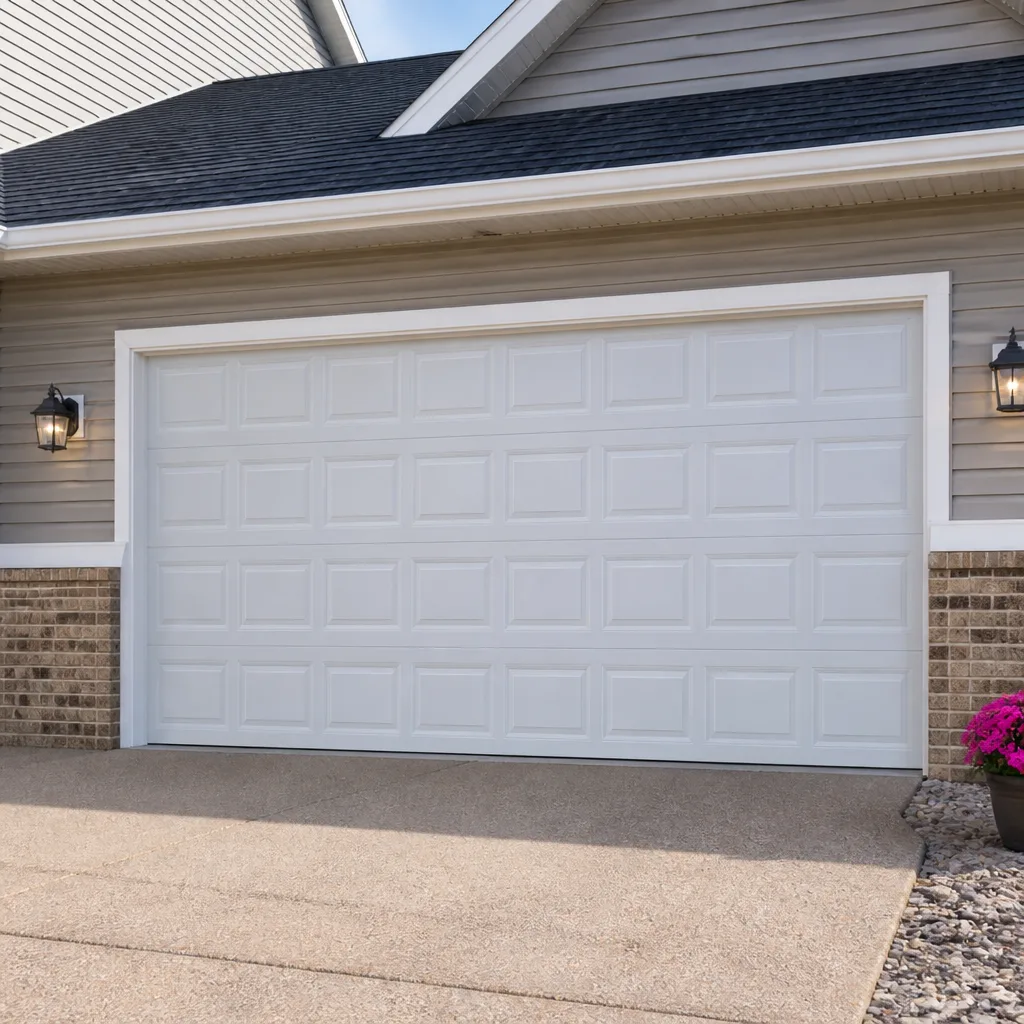 Raised-panel steel
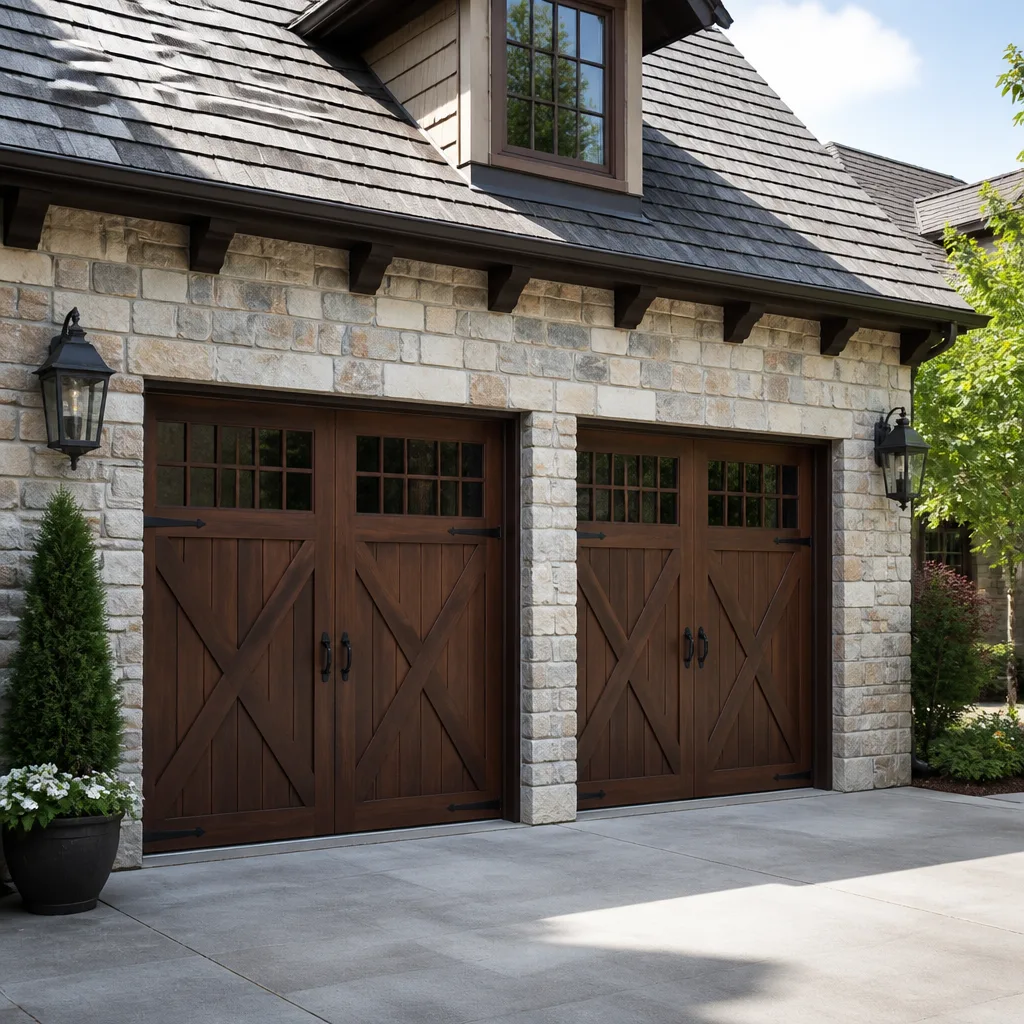 Carriage house
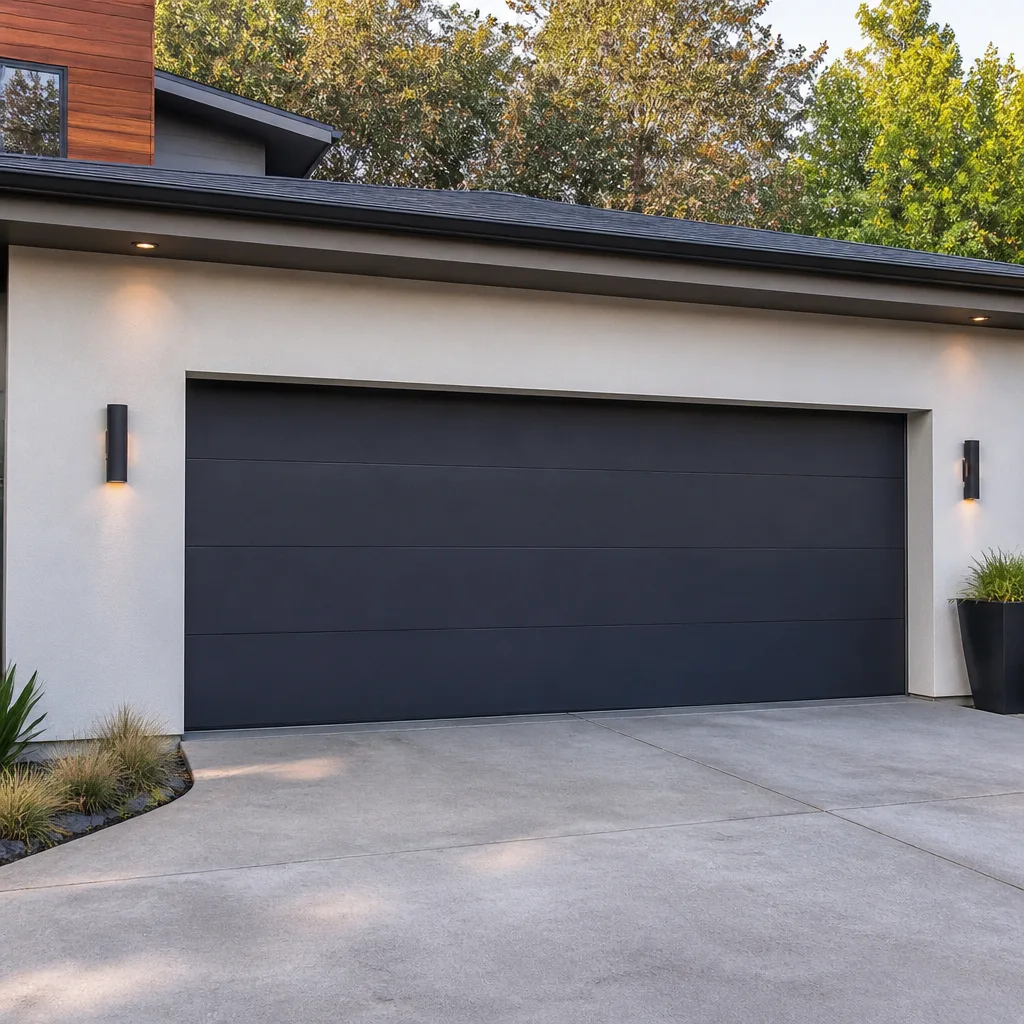 Modern flush
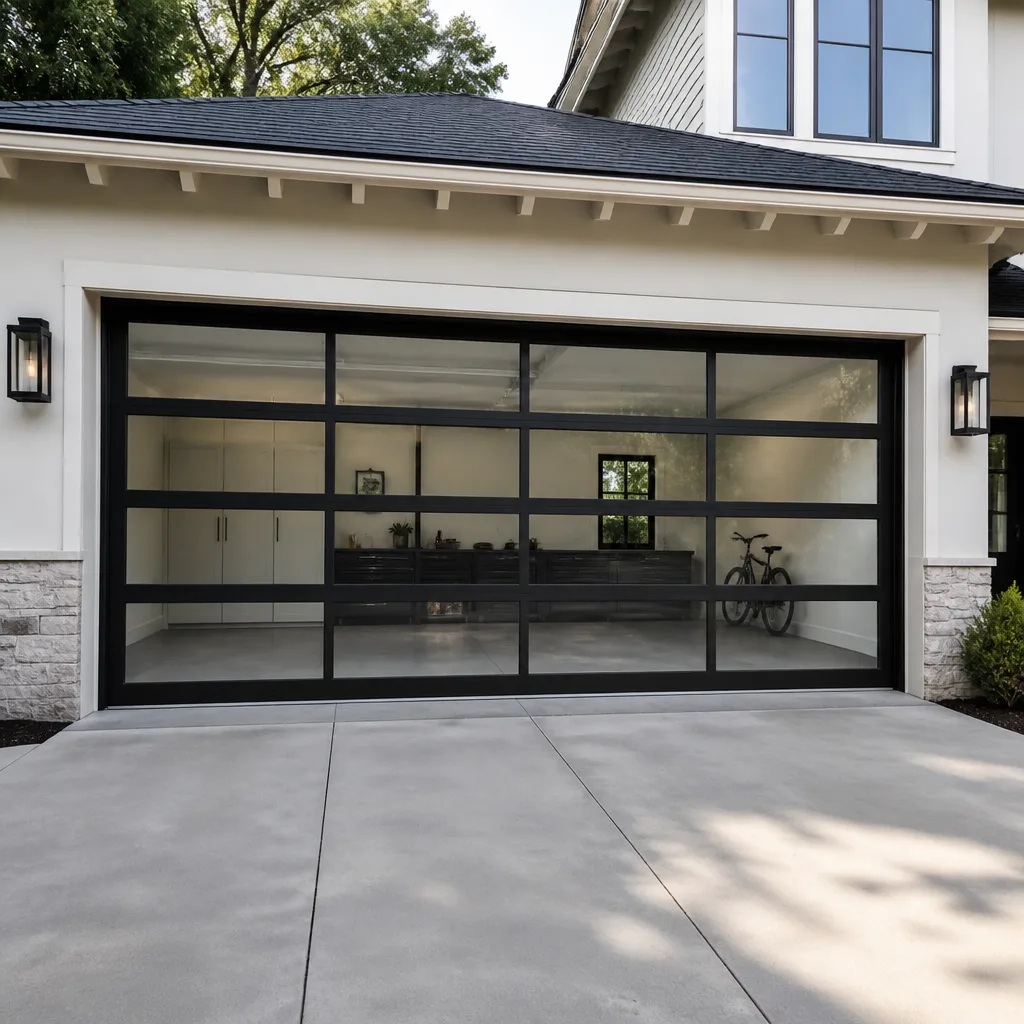 Full-view glass
 LiftMaster openers
 Chamberlain openers
Full 25-point door and opener safety check with every visit - springs, cables, rollers, tracks, and your LiftMaster or Chamberlain opener included
You get a price before we start. It does not change when the pro arrives.
Get your free estimateDIY vs Professional Garage Door: The Brighton Homeowner’s Decision Guide
Most garage door advice online treats DIY versus professional as a question of confidence. If you’re handy enough, the reasoning goes, you can handle it yourself. That framing gets people hurt. The real dividing line isn’t skill level, it’s which specific tasks carry injury risk or void the manufacturer’s warranty on your door. A torsion spring stores enough torque to break bones, and no tutorial changes that physics. Meanwhile, a squeaky roller or a misaligned photo-eye is genuinely a twenty-minute job for anyone with a socket set. This guide draws that line precisely for Brighton homeowners, task by task, so you can save money where it’s safe and step back where it isn’t.
Quick Answer
Safe DIY garage door jobs are limited to maintenance and adjustment: lubricating hinges and rollers, tightening hardware, cleaning photo-eye lenses, and testing the safety reverse. Anything involving torsion springs, cables, or the door’s counterbalance system should always go to a trained technician. Panel replacement, track realignment after an impact, and opener electrical work sit in the middle and depend on the specific situation. When in doubt, the cost of a professional diagnosis is almost always less than the cost of a botched correction.
Styles & brands we work with
- Raised-panel steel
- Carriage house
- Modern flush
- Full-view glass
- LiftMaster openers
- Chamberlain openers
Table of Contents
- The Task-by-Task DIY Verdict
- Why Torsion Springs Are the One Hard Line
- What DIY Does to Your Manufacturer Warranty
- The Real Cost Math: DIY vs Professional
- An Honest Self-Assessment: Are You a Competent Garage Door DIYer?
- The Middle Ground: What You Can Prep Before We Arrive
- Brighton-Specific Considerations
- Common Mistakes to Avoid
- When to Call a Professional
The Task-by-Task DIY Verdict
Here’s the short version, and it’s shorter than most homeowners expect. The list of garage door repairs that are genuinely safe to do yourself is much smaller than the list of repairs that are technically possible to do yourself. Those two lists are not the same thing.
- Safe to DIY: Lubricating hinges, rollers, and springs (with the proper garage door lubricant, never grease).
- Safe to DIY: Tightening loose hinge and bracket bolts with a socket wrench.
- Safe to DIY: Cleaning photo-eye lenses with a soft cloth and realigning them by hand.
- Safe to DIY: Testing the safety reverse feature monthly using a small object on the floor.
- Safe to DIY: Replacing the battery in a remote or keypad, and re-pairing remotes to the opener per the manufacturer’s instructions.
- DIY with caveats: Replacing a bent or worn roller. This is doable with the door fully closed and the tension released, but a door that suddenly moves while you’re working near the track is a real hazard.
- DIY with caveats: Replacing a bottom weather seal. Straightforward on most doors, but the bottom bracket on the door is a tension point and should never be loosened.
- DIY with caveats: Adjusting the opener’s travel limits and force settings, only if your manual documents the process and you test the safety reverse afterward.
- Never DIY: Replacing torsion springs, extension springs, or cables.
- Never DIY: Loosening or removing the bottom bracket or any cable anchor point.
- Never DIY: Realigning a track that has been struck and bent, or a door that has come off its track.
- Never DIY: Opening the opener’s electrical housing or hardwiring a new opener.
- Never DIY: Replacing a full panel or a door section that has cracked or buckled.
The reason each “never DIY” item belongs on that list is the same in every case: stored mechanical energy. Garage door springs and cables hold the entire weight of the door under tension. That tension is released by a specific process, and a mistake at the wrong moment releases it in an uncontrolled way. For everything else on the list, the worst case is usually a door that won’t close and a service call you could have made in the first place. For the “never DIY” items, the worst case involves an emergency room. That’s not a scare tactic. It’s the reason professional technicians treat spring and cable work as the most safety-sensitive part of the job and use specific tooling (winding bars, not screwdrivers) rather than improvised methods.
We’ve handled enough go-back jobs in Brighton to know that the “safe DIY” list is where a homeowner saves real money, and the “never DIY” list is where a homeowner calls us after a near-miss. If you’re reading this page mid-project, stop before you touch a spring or a cable and reach out instead.
Why Torsion Springs Are the One Hard Line
A torsion spring, fully wound, stores enough torque to move a door that weighs a few hundred pounds. When that spring fails, or when a homeowner unwinds it with a screwdriver instead of the correct winding bars, the stored energy is released all at once. We’ve seen the result of that mistake on more than one garage door in Brighton. Springs don’t care how careful you are or how many tutorials you’ve watched. They are a mechanical component under constant load, and they fail violently.
Here’s the part that doesn’t get said often enough: spring replacement isn’t only dangerous for the person doing it. It’s also easy to get wrong in ways that create a slow-burn failure. The wrong spring on the wrong door puts excess load on the opener, the panels, and the cables, and those parts don’t fail on the same day. They fail months later when something wears out early. That’s why we consider garage door spring repair one of the few genuinely non-negotiable professional calls in this trade. We bring the correct winding bars, we match the spring to your door’s exact weight and height, and we test the balance before we walk away.
If your door is cocked, sitting crooked, or won’t lift without help, that’s usually a spring or cable problem. Don’t force it open with the opener. Don’t try to lift it manually to get the car out. Call for service and let the door stay closed until someone qualified looks at it. Our garage door repair service handles spring and cable failures as a matter of routine, and we’d far rather make that call than have a homeowner get hurt trying to save a service fee. Spring repair is dangerous work. We bring the right tools and training precisely because it isn’t a DIY job.
What DIY Does to Your Manufacturer Warranty
Every major residential garage door and opener manufacturer writes product warranty conditions the same way: installation and repair have to be performed by a licensed technician for the warranty to stay in force. LiftMaster and Chamberlain opener warranties, Clopay and Amarr door warranties, Genie and Raynor products: they all have language in the fine print about professional installation. That’s not a marketing gimmick. It’s a way for the manufacturer to limit liability when a system is installed or repaired incorrectly.
What that means in practice for a Brighton homeowner is this: if you install a new opener yourself and the control board fails six months later, the manufacturer can decline the claim because the installation wasn’t performed by a licensed technician. If you have a Clopay door and you replace a section yourself and the new section develops a finish problem, the warranty may be void because the replacement section wasn’t installed to spec. The same logic applies to LiftMaster and Chamberlain openers and to every other brand listed above.
In Colorado, most cities require a permit for a new garage door installation or a full opener replacement, and a permit pulled by a licensed technician keeps the work inside the warranty. We call that out specifically because we’ve had homeowners in Brighton ask us to look at a door that failed under warranty and discover the claim was already voided. A professional installation keeps the manufacturer’s warranty active, and it keeps the job that required the permit on the right side of the city’s building department.
That’s why when we quote a replacement door or opener, we don’t just quote the part. We quote the install with the manufacturer’s warranty intact. Whatever brand is on your door, whether it’s a LiftMaster opener or a Clopay, Amarr, Chamberlain, Genie, Wayne Dalton, Craftsman, or Raynor door, the warranty expects a licensed professional to have touched it. Our technicians have up to 13 years of experience, and we install to manufacturer spec because that’s the point of the warranty.
The Real Cost Math: DIY vs Professional
The numbers that actually matter aren’t just the price of the part. They’re the price of the part, plus your time, plus a real risk of a correction call if the job goes wrong. Here’s how the five most common garage door repairs stack up for a Brighton homeowner comparing DIY versus professional. Pricing is per job by estimate, and the written estimate you receive before any work starts is the final price.
| Repair Type | DIY Parts Cost (approx.) | Professional Quote (approx.) | DIY Risk Profile |
|---|---|---|---|
| Torsion spring replacement (one spring) | $30 – $60 for the spring | $180 – $340 | High. Injury risk and balance risk. Never DIY. |
| Torsion spring replacement (matched pair) | $60 – $120 for both | $320 – $620 | High. Springs on most doors fail together. Never DIY. |
| Roller replacement (set of ten) | $20 – $50 | $110 – $190 | Low to moderate. DIY-able if the door is closed and fully down. |
| Opener repair (board, gear, or travel switch) | $40 – $150 for a part | $180 – $320 | Moderate. Diagnosis is the hard part, not the part swap. |
| Photo-eye or sensor replacement | $15 – $40 | $100 – $180 | Low. Wiring to the opener is the only risk area. |
| Panel replacement (single car section) | $150 – $400 for the panel | $400 – $900 | Moderate to high. Spring tension on the remaining sections is the risk. |
| Full door installation | Not applicable | $1,100 – $3,200+ | Never DIY. Permit, springs, dimensions, and warranty all require a licensed technician. |
Look at that table carefully. The savings on spring work look tempting until you understand what a correction call actually costs. A botched DIY spring job usually involves a bent track, a damaged panel, a stretched cable, or all three. That’s not a $200 correction. It’s more likely a $600 – $1,200 correction once the cascading damage is repaired. The savings on a professional replacement are real, until they’re not.
We don’t quote surprise fees. When we come out, we measure, we diagnose, and we give you a written number before any work starts. If we say $220 for a spring replacement, the invoice is $220. That’s not comfort language. It’s how the job runs. For the types of repairs where the math genuinely favors DIY, like roller swaps and sensor replacements, we’d rather you spend your money on your family. For springs, panels, and openers, the math favors the professional every time.
An Honest Self-Assessment: Are You a Competent Garage Door DIYer?
This isn’t gatekeeping. It’s a quick gut check, and there’s no wrong answer as long as you’re honest with yourself. The question isn’t whether you’re handy. It’s whether you have the tools and the situational awareness for this specific type of equipment.
- Do you own the right tools? Not a screwdriver set. A proper socket wrench, a torque wrench, winding bars for spring work if you ever attempt it (we don’t recommend it), and a properly rated ladder. No improvising with a chair or a step stool.
- Do you understand how the counterbalance works? A garage door isn’t a normal door. It’s a system balanced by springs. Everything you do to a door changes that balance. If you don’t know what a spring’s tension is doing when you loosen a bottom bracket, that’s the knowledge gap that separates safe from dangerous.
- Have you read your owner’s manual? Every opener we service tells you exactly which adjustments you can safely make and which require a technician. Reading the manual before you touch anything is the single best indicator that a homeowner is competent enough to try a basic DIY fix.
- Can you recognize the signs of a failing part? A stretched cable, a spring that has lost tension, a hinge with a hairline crack. Some of these fail gradually and a homeowner who can spot the warning gets ahead of it. A homeowner who can’t is working blind.
- Are you honest about your own limitations? The most competent DIYers we know are the ones who call us for spring and cable work without hesitation. They’ve done the math. They know what’s at stake.
If you answered “no” to anything above, treat the safe DIY list as the only list. Everything else goes to us. In our experience, the people who get hurt are almost never the ones who ask what they’re doing. They’re the ones who make it up as they go.
The Middle Ground: What You Can Prep Before We Arrive
There’s a third option most homeowners never consider: prep the job so the technician’s billable time goes into the repair instead of the setup. It’s a small savings, but it’s real, and it cuts down on any surprises when we arrive in Brighton.
- Clear the garage floor and the driveway. A technician who doesn’t have to move boxes and bikes before starting goes straight to work. That saves real minutes.
- Move cars out of the way. Both cars, if possible, or at least the car under the door. A door that has to be worked on with a car underneath changes everything.
- Take a photo of the opener’s model label. It’s usually on the back of the opener housing, or inside the light lens cover. That single photo saves a diagnostic step on opener issues.
- Note which brand is on your door and your opener. LiftMaster, Chamberlain, Genie, Clopay, Amarr, Wayne Dalton, Craftsman, or Raynor. If you don’t know, look at the sticker on the opener. It’s the difference between us loading the right parts and us diagnosing from scratch.
- Write down what it’s doing. “The door goes up halfway and stops” is more useful than “it’s broken.” “The opener runs but the door doesn’t move” tells a technician to check the trolley release. Symptoms speed up diagnosis.
- Tell us if the door has been struck or has come off the track. Safety issue. We may want you to leave the door down entirely until we arrive.
None of that prep involves any risk to you. It’s just information and clear space. And it means the estimate we give you when we arrive is more accurate, because we’re not guessing about your system. For opener jobs specifically, the brand note matters. When you call for garage door opener repair, knowing whether it’s a LiftMaster or a Chamberlain helps us arrive with the right parts and the right diagnostic approach.
Brighton-Specific Considerations
A few local factors change the math for Brighton homeowners, and they don’t appear on most national garage door advice pages. First, the Front Range climate is hard on garage door hardware. Our summers are hot enough to cook a poorly lubricated hinge, and our winters throw sub-zero nights and fast freeze-thaw cycles at every moving part. That means the maintenance items on the safe DIY list aren’t optional for a Brighton door; they’re what keeps the door from becoming a repair job. Lubricate twice a year, tighten bolts once a year, and test the safety reverse monthly. That routine is the difference between a $120 maintenance visit and a $600 spring and track correction.
Second, Brighton’s housing stock matters. Newer subdivisions have doors that are typically within the manufacturer’s warranty window, which means the warranty language in the installation section of this guide applies directly to your door right now. If you have a Clopay or Amarr door still inside its warranty period, do the DIY work that doesn’t involve spring or panel replacement, and leave the rest to us so the warranty stays in force. Older neighborhoods are more likely to have first-generation openers approaching the end of their service life, and those are the ones where an opener repair can cascade into a full opener replacement, which is a job that should come with a permit and a professional install. Whatever brand is on your door, whether it’s a LiftMaster or a Genie, a Craftsman or a Raynor, we know the system and we know how it ages in this climate.
Third, hail. Front Range hail is a fact of life, and the door panel takes the hit before the roof does. Cosmetic damage on a steel panel is usually repairable without voiding the warranty, but the moment a panel is punctured or seriously bent, the structural integrity of the door’s balance is compromised. That’s not a DIY call. That’s a call for a professional inspection, because the panel replacement itself is straightforward but the door’s balance afterward isn’t. When a door has been hit hard enough to knock a panel loose, our garage door repair service is the safer first call.
Common Mistakes to Avoid
- Using the wrong lubricant on hinges and rollers. WD-40 and general-purpose grease attract grit and gum up the works. Use a garage-door-specific silicone spray or lithium grease, and never apply it to the torsion spring’s winding cones.
- Loosening any bolt on the bottom bracket. That bracket is a cable tension point. Even one turn can release hundreds of pounds of pressure. It’s the single most dangerous thing a homeowner can accidentally do on a garage door.
- Substituting a screwdriver for winding bars on a spring. We see the results of this on Brighton doors every few months. There is no safe improvised tool for torsion spring work. Don’t try.
- Forcing a door up when the opener is running but the door isn’t moving. That usually means the door is disconnected from the trolley or the spring has failed. Pulling hard can drop the door or snap a cable.
- Installing an opener without checking the balance of the door first. A new opener on an unbalanced door will wear itself out fast, and the manufacturer can decline the warranty claim. Balance first, then opener.
- Ignoring the photo-eye safety check after any DIY work. Test it every time. Put an object on the floor and close the door. If it doesn’t reverse, stop and call.
- Assuming a Colorado warranty is the same as a national one. Read the fine print on your opener and door documentation before you touch a component that could void coverage. Brighton’s building department can confirm what needs a permit, and the manufacturer can confirm what needs a licensed tech.
When to Call a Professional
Call a professional the moment you’re dealing with a spring, a cable, a track that’s out of alignment, a door that has come off the track, or any electrical work inside the opener. The door is stuck closed with a car inside: call. The door is hanging crooked and you can see it: call. The door opens an inch and stops: call. Any of these are a Brighton Garage Door Repair Co call, because there’s no version of those repairs that a homeowner can safely complete. From a broken spring to a full new installation, one call handles it. Our garage door opener repair handles every drive system we’ve named, and if the door itself is beyond repair, we install replacements too.
For everything on the safe DIY list, we still do the work. We’re happy to handle the maintenance and adjustments, especially if you’d rather spend your time elsewhere. The point of this guide isn’t to push you off the safe jobs. It’s to make sure you don’t try to save $80 on a spring and end up with a $600 correction call, or worse. Brighton Garage Door Repair Co offers free estimates in Brighton. Call (866) 754-4750.
See the difference
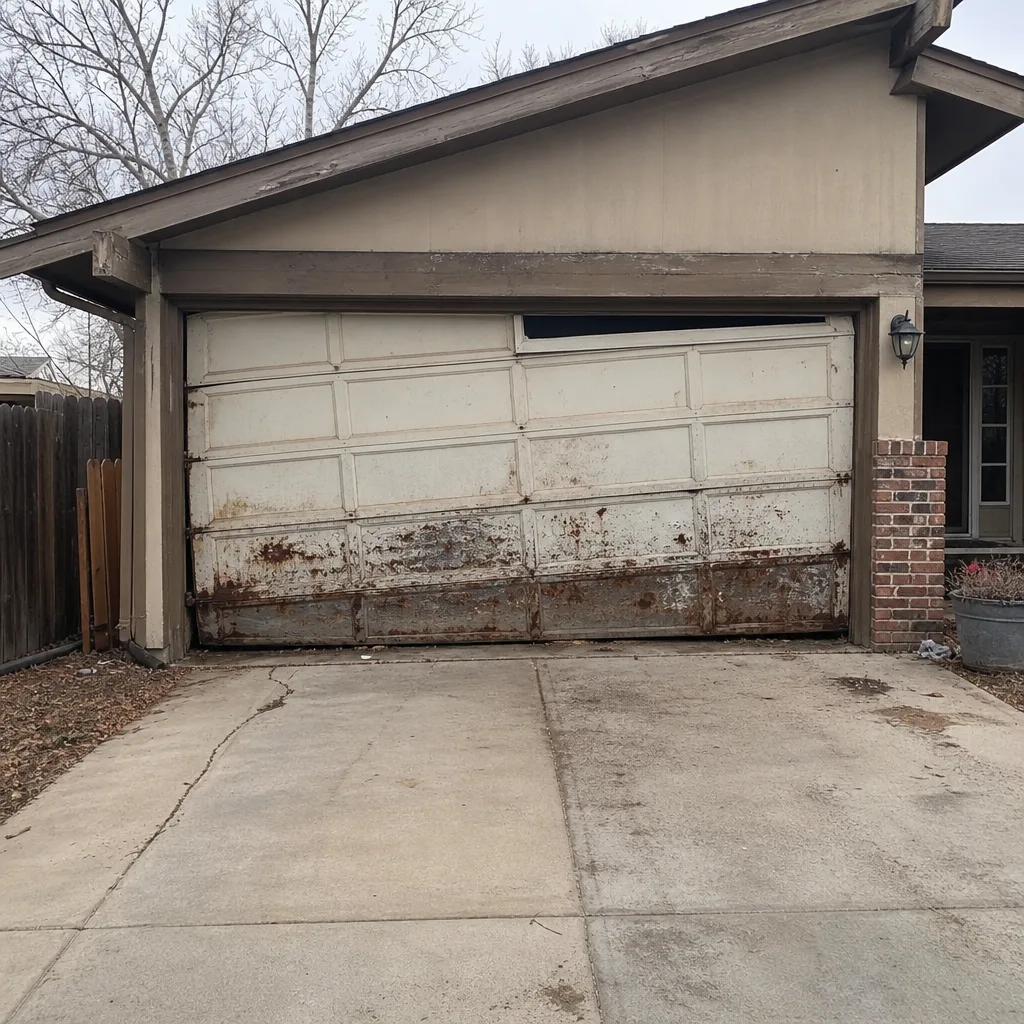 Before
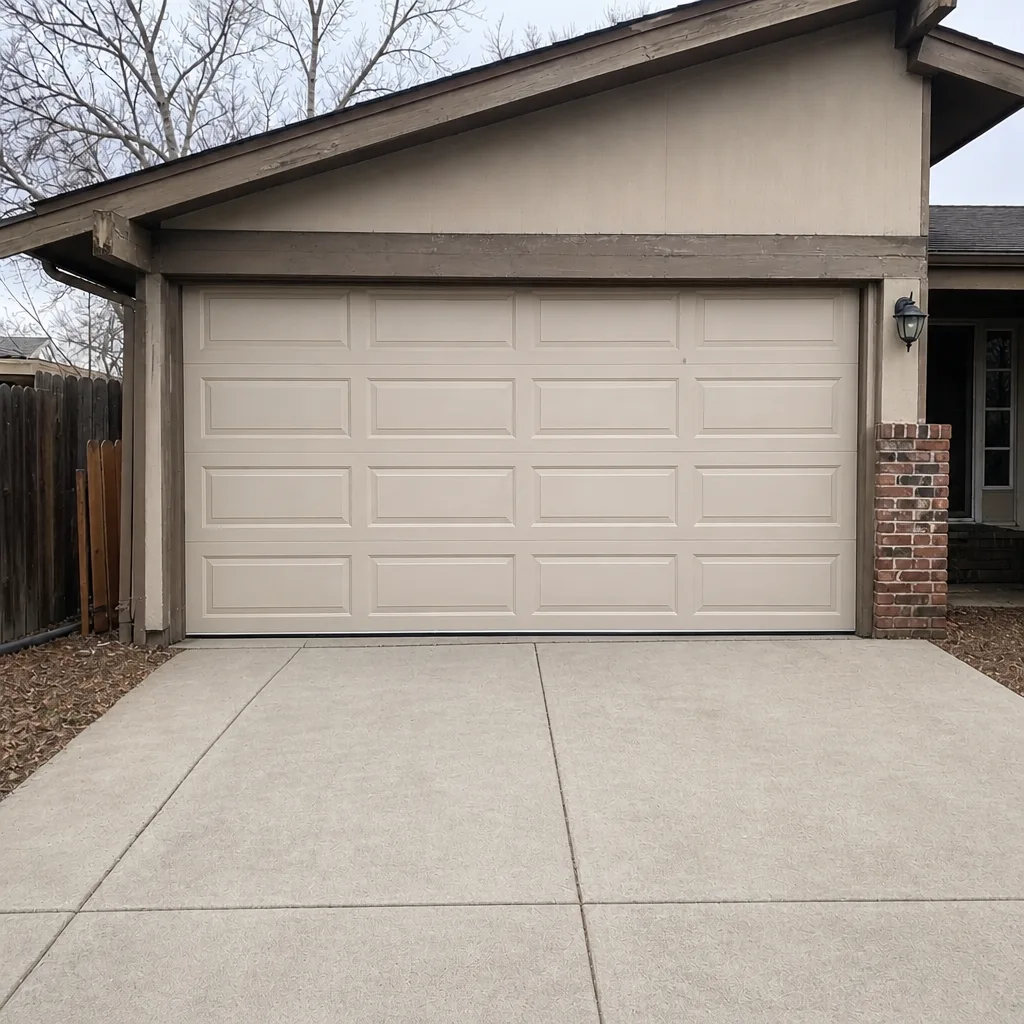 After
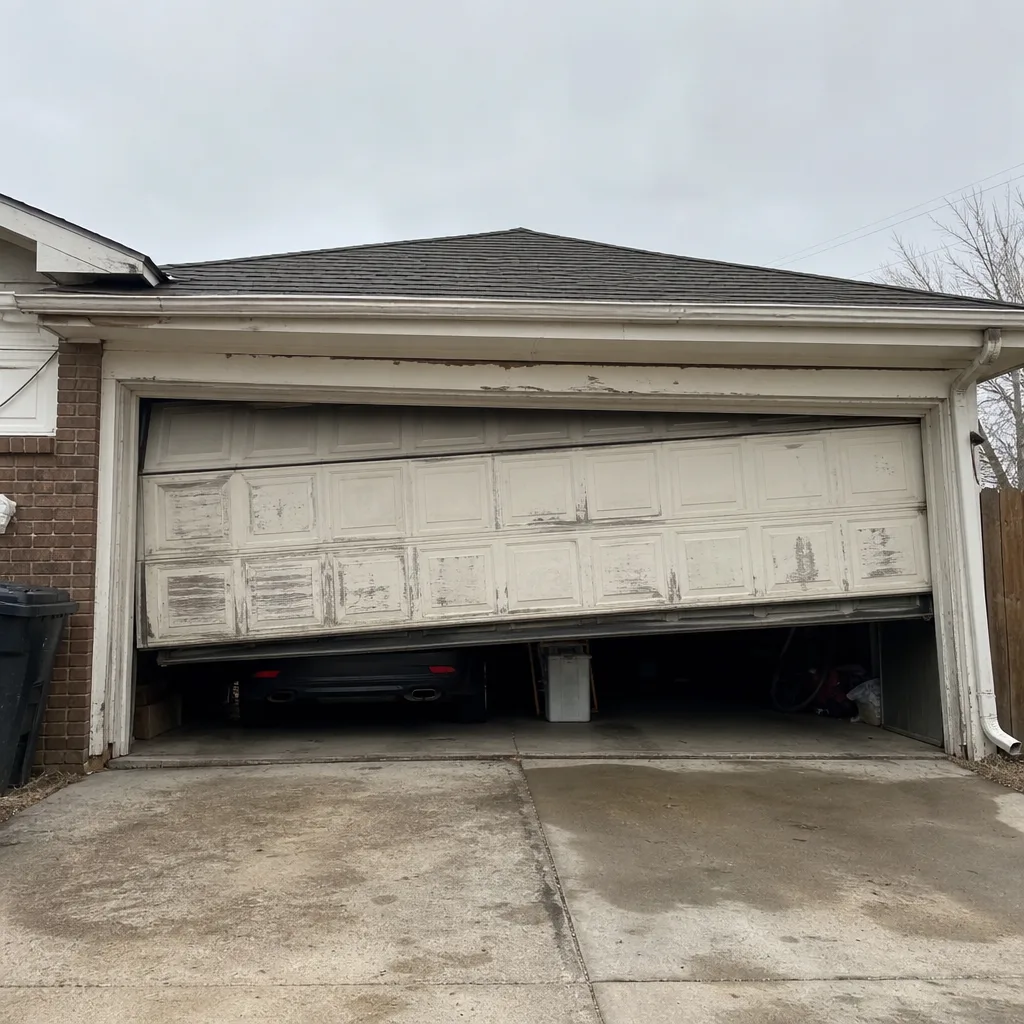 Before
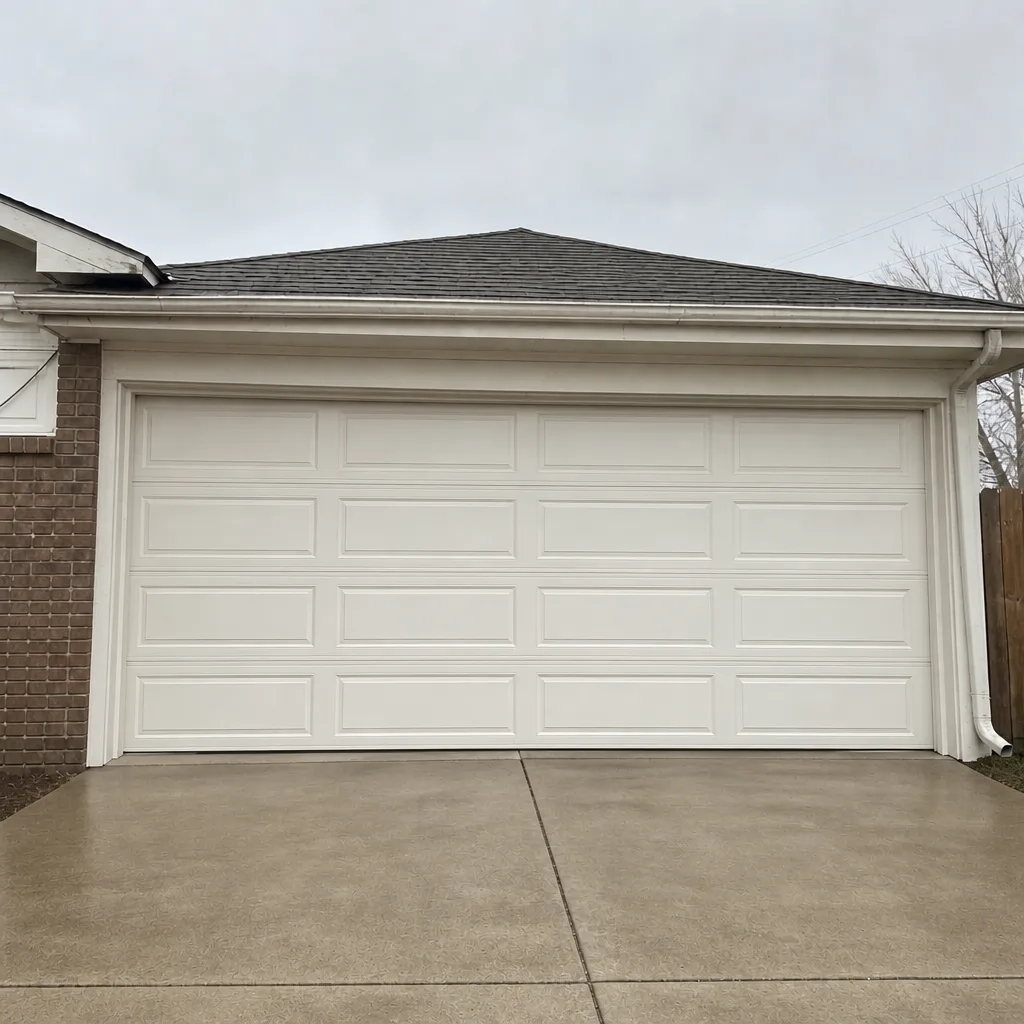 After
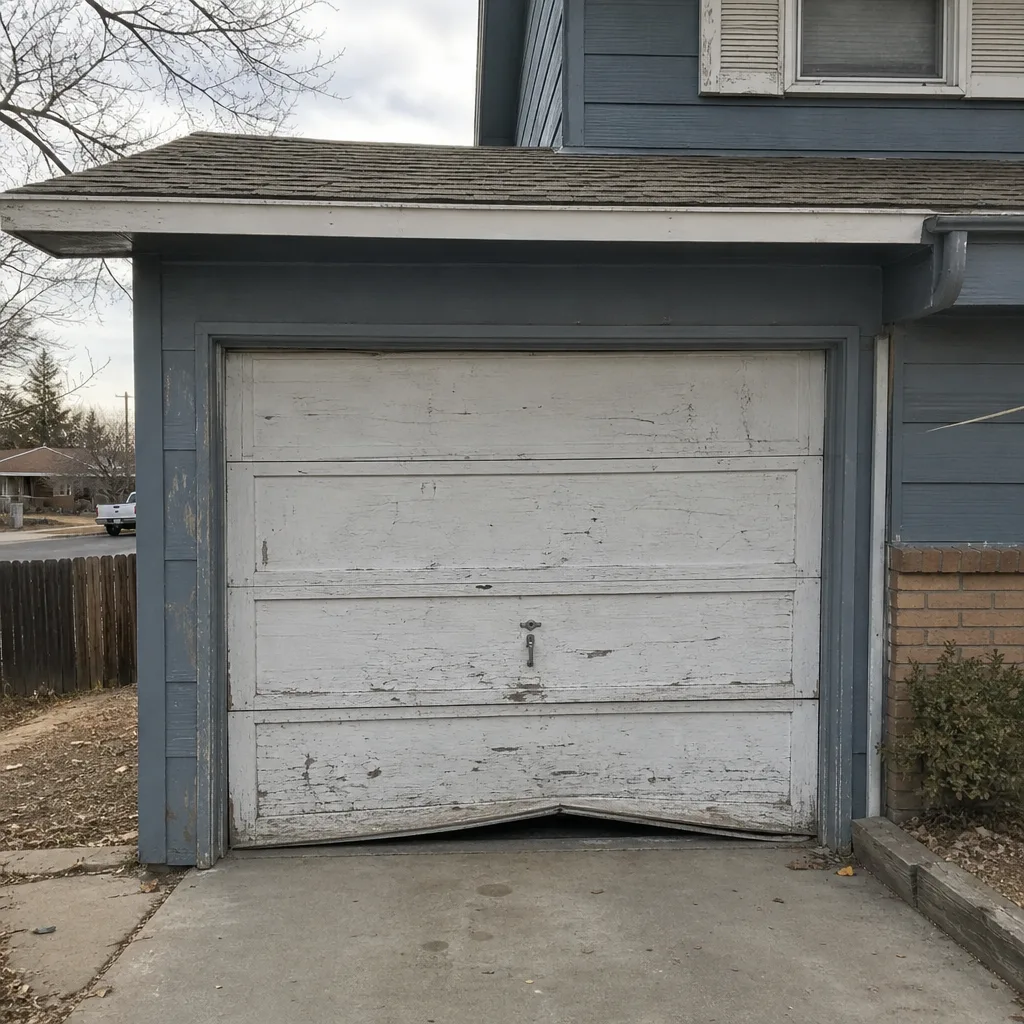 Before
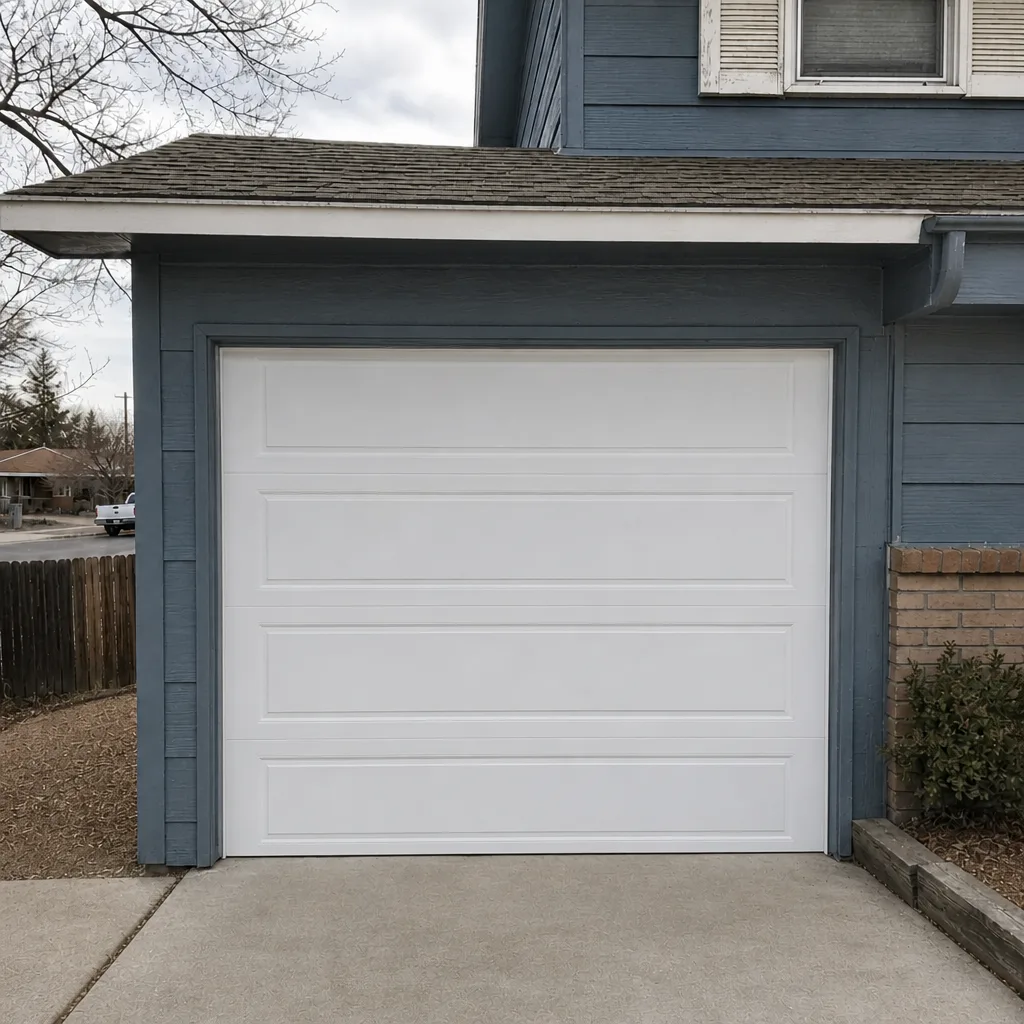 After
Frequently Asked Questions
No. Torsion and extension springs are under extreme tension and should never be replaced by a homeowner. The savings of roughly $150 – $280 against a professional spring job are not worth the injury risk, and a botched spring job typically costs $600 – $1,200 to correct once the damage cascades into the track, cables, or panels. Call (866) 754-4750 for a free estimate on spring replacement in Brighton.
Torsion spring repair in Brighton typically runs $180 – $340 for a single spring and $320 – $620 for a matched pair, since most doors should have both replaced at once. That includes the spring, the winding bars, the balance test, and the labor. Call (866) 754-4750 for an exact quote. Estimates are free.
Usually yes, at least for the parts you touched. LiftMaster, Chamberlain, Genie, Clopay, Amarr, and Raynor all have language in their warranty terms requiring professional installation by a licensed technician. A homeowner install of an opener or door section can void coverage for that component, and often for any related parts downstream. Ask us to look at your documentation before you start a job that could void it.
Yes. Lubricating hinges and rollers with a garage-door-specific spray, tightening loose bolts, cleaning photo-eye lenses, replacing remote batteries, and testing the safety reverse are all safe for a homeowner with basic tools. Anything that involves a spring, a cable, the bottom bracket, or a full panel is a professional job. Call (866) 754-4750 if you’re not sure which list your problem falls on, and we’ll tell you straight.
If the door feels much heavier than usual to lift by hand, that’s usually a spring. If it hangs crooked, sits visibly off one side, or you can see a slack cable, that’s a cable. If the opener runs but the door doesn’t move, that’s usually the trolley release. If the door goes up an inch and stops, it can be any of the three. Call us with what you’re seeing and we’ll narrow it down before we arrive.
We don’t recommend it. A new opener install usually requires a permit in Colorado cities, involves line voltage, and voids the manufacturer’s warranty if the installation isn’t performed by a licensed technician. The balance of the door also has to be checked first, or the opener will wear out early. We install and repair every major brand, including LiftMaster, Chamberlain, Genie, and all the rest. Call (866) 754-4750 for a written quote before you buy a part.
The Bottom Line
DIY versus professional isn’t about whether you’re handy. It’s about which parts of the door store energy that can hurt you and which parts void a warranty the moment you touch them. Springs, cables, the bottom bracket, panels, and anything past the opener’s exterior belong to a professional. Lubrication, tightening, sensor cleaning, and photo-eye testing belong to you. Everything in between is a judgment call, and we’re happy to help you make it. Whatever brand is on your door, we service it, and we’ll tell you honestly whether the job is worth your time or ours. Call (866) 754-4750 for a free estimate. Learn more about Brighton Garage Door Repair Co and the full range of services, from garage door repair through garage door spring repair and new door installation.
Written by the team at Brighton Garage Door Repair Co.